China Best Downlights What Affects Their Lifespan?

Time:2026-11-10 Author:Oliver
0%

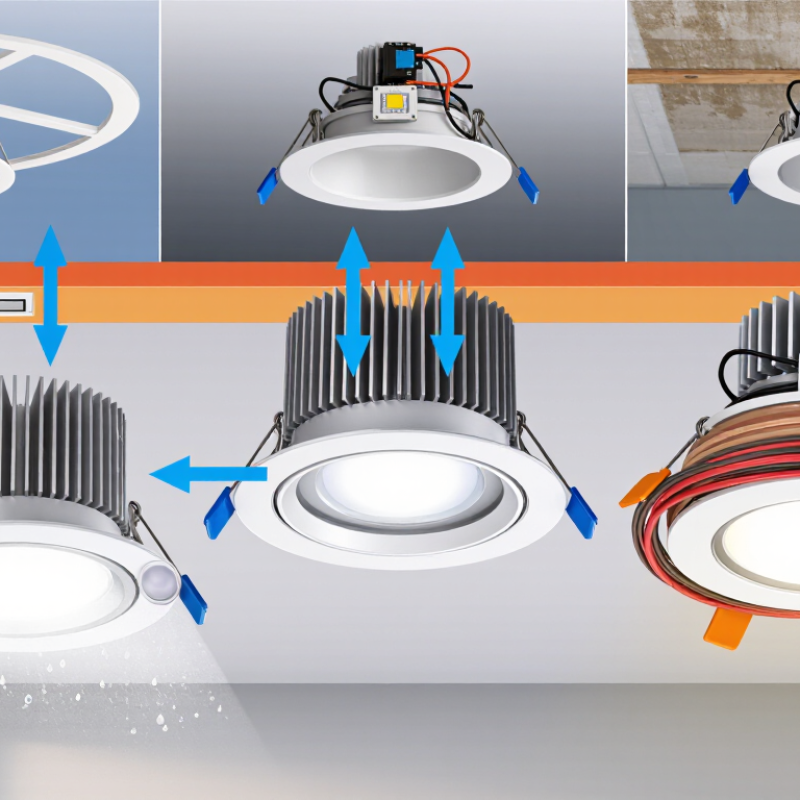
A downlight can look simple from below, yet its lifespan depends on several parts working together above the ceiling. Heat is a major factor. A tightly packed insulation layer, a small ceiling cavity, or a poorly designed heat sink can trap warmth around the LED and driver. Frequent switching, unstable power, moisture, and low-quality components can also shorten service life. The result may be gradual dimming, flicker, or an early failure.

What factors affect the lifespan of downlights is therefore more than a question of LED chip quality. The driver, thermal design, installation conditions, and product testing all matter. As lighting researcher Dr. John Bullough has explained in broad terms, visual performance depends on the lighting system and its conditions—not on a light source alone. This is a paraphrase, not a verified direct quotation; a published source should be checked before presenting exact words.

Look closely at the details. Is the fitting rated for the ceiling environment? Can heat escape from its housing? Does the driver match the fixture? These checks can reveal weaknesses before installation. Still, no single rating predicts every home’s results. A cool, open ceiling differs from a crowded, insulated one. Buyers should compare specifications and warranty terms, then consider how the lights will actually be used. Small installation choices matter. And they are easy to overlook.
China Best Downlights What Affects Their Lifespan?

What Defines a High-Quality Downlight Made in China

A high-quality downlight made in China is defined by more than its appearance or price. Look for a sturdy aluminum body that moves heat away from the LED. Excessive heat can speed up light-output loss and shorten component life. The driver matters too: a stable, well-matched driver helps reduce flicker and electrical stress. Details matter. Ask for clear specifications, including lumen output, color temperature, beam angle, and rated operating conditions.

Consistent production is another useful sign. Reliable manufacturers test samples for heat, electrical performance, and light consistency, then keep materials and assembly processes controlled. Request test reports that match the exact model, not a similar product. Check whether the lens sits evenly and the trim has a smooth finish. These checks cannot predict every failure. I would not judge quality from one sample alone, either.

Tips: Confirm the driver can be replaced, if practical, and leave space around the fitting for heat to escape. Compare warranty terms with documented test results. A low price can be tempting, but it may reflect thinner materials or less testing. I have seen specifications look convincing on paper; the real product still deserves a careful check.

Key Components That Determine Downlight Lifespan

A downlight’s lifespan depends on more than its LED chip. Heat is the enemy. When warmth cannot escape, the chip and nearby electronics age faster. A well-designed heat sink moves heat away from the light source, while a snug, correctly sized ceiling cutout helps the fixture sit as intended. Dust packed around the housing can restrict airflow, too.

Small parts matter. The driver converts household power into a form the LEDs can use. Its capacitors and other components may wear out before the LEDs themselves, especially in hot or poorly ventilated ceilings. Look for clear driver specifications, suitable thermal protection, and a housing built to dissipate heat. A sturdy lens and sealed joints also help limit moisture and dust damage, though extra sealing does not fix poor cooling.

Installation and daily use shape the outcome. Recessing a fixture beside insulation, switching it on and off very frequently, or running it for long hours can add stress. That detail gets missed. Ask for test data that explains operating conditions, not just a headline lifespan figure. Real use varies. Even a reliable estimate cannot predict every installation, and a dimming system that is not compatible with the driver may cause flicker or shorten component life.

How Heat and Installation Conditions Affect Longevity

Heat and installation conditions can strongly influence a downlight’s service life. LED chips and drivers generate heat during operation, and poor heat dissipation can accelerate component wear. In a cramped ceiling cavity, trapped warmth may build around the fitting. Heat builds quietly. An overheated driver may start flickering or fail earlier than expected, though the outcome depends on the fitting’s design and use.

Ceiling construction matters. In insulated ceilings, use downlights rated for the specific installation and follow their stated clearance requirements. Do not cover a fitting unless its instructions explicitly allow it. A tightly packed layer of insulation can restrict heat release, while an unsuitable opening may leave gaps or expose the fitting to dust. These details are easy to overlook.

Allowing the recommended space around a fitting helps manage heat. A qualified electrician can check the ceiling cavity, wiring, and compatibility with any dimmer before installation. Incompatible dimmers may cause flickering or uneven operation. Dust buildup can also reduce airflow, so occasional inspection is useful. There is no single lifespan that applies to every downlight; hours of use, ambient temperature, and installation quality all matter. Even a careful installation cannot prevent every early failure.

The Role of Drivers, Materials, and Operating Environments

A downlight’s rated life is only part of the story. The driver converts household power into a steady supply for the LED, and its heat and electrical components can affect how long the fitting performs reliably. A poorly matched driver may cause flickering, dimming, or early failure. In practice, check that the driver suits the LED module and the intended dimmer, if one is used. Small details matter.

Materials influence how well heat leaves the light source. Aluminum housings can help conduct heat away, while thin or poorly finished parts may offer less effective cooling. Quality insulation, secure wiring, and sound joints also matter, especially in recessed fittings where airflow is limited. A shiny exterior is not proof of durable construction. It is easy to focus on appearance and miss the parts hidden above the ceiling.

Operating conditions can shorten service life. A downlight installed in a hot ceiling cavity, near insulation, or in a damp bathroom may face more stress than one in a cool, dry room. Use fittings rated for the location, and keep ventilation paths clear where the design requires them. Dust buildup can trap heat, too. Real installations are rarely perfect, so occasional checks for flicker, unusual warmth, or discoloration can reveal problems early.

Maintenance Practices That Help Downlights Last Longer

Downlights last longer when heat and dust are kept under control. Switch off the circuit and let each fitting cool before cleaning. Wipe the trim and lens with a soft, dry microfiber cloth. Avoid spraying cleaner directly onto the fixture; moisture can reach electrical parts. Small habits matter.

Check for dust buildup around the light and keep nearby ventilation paths clear. Recessed fittings need room to release heat, so don’t cover them with insulation unless the fixture is rated for that installation. Follow the manufacturer’s care instructions, especially for sealed or damp-area models. It is easy to focus on the visible lens and overlook airflow above the ceiling.

Every few months, look for flickering, unusual dimming, or a yellowed lens. These signs do not always mean the light has failed; a loose connection, incompatible dimmer, or excess heat may be involved. Don’t open wiring compartments yourself. Ask a qualified electrician to inspect persistent problems. Not every issue is dirt. Keeping a simple maintenance note can help reveal recurring trouble, though it may feel like unnecessary paperwork at first.

FAQS

What features suggest a high-quality downlight?

Look for a sturdy aluminum body, a smooth trim, and an evenly seated lens. Clear specifications should list lumens, color temperature, beam angle, and operating conditions.

Why does the driver matter?

A stable, well-matched driver can reduce flicker and electrical stress. Ask whether it can be replaced if needed. Small details count.

How does heat affect a downlight’s lifespan?

Poor heat release can age the LED and nearby electronics faster. A heat sink and clear airflow around the fitting help. Heat is the enemy.

Can a lifespan rating predict how long a light will last?

Not exactly. Ceiling insulation, long operating hours, frequent switching, and ventilation all affect performance. I would treat a headline figure cautiously.

What should I check in product test reports?

Request reports for the exact model, including heat, electrical performance, and light consistency. Similar-model results may not describe the fitting you receive.

How should I clean a downlight?

Switch off the circuit and let the fitting cool. Wipe the trim and lens with a soft, dry microfiber cloth. Keep moisture away.

What signs may point to a downlight problem?

Watch for flickering, unusual dimming, or a yellowed lens. These signs can have several causes, including excess heat or an incompatible dimmer. Not always a failed light.

Should I inspect wiring if a light keeps flickering?

No. Do not open wiring compartments yourself. Ask a qualified electrician to check persistent problems, and note when they happen. A simple record can help.

Conclusion

Understanding What factors affect the lifespan of downlights begins with looking beyond the fixture’s appearance. A high-quality downlight depends on reliable components, including the LED chip, heat sink, housing, and driver. Their design and materials influence how effectively the light manages heat, maintains consistent performance, and withstands everyday use.

Heat and installation conditions also play an important role. Poor ventilation, unsuitable ceiling spaces, or incorrect installation can increase operating temperatures and shorten service life. The driver’s quality, the surrounding environment, and patterns of use further affect long-term reliability. Regularly checking fixtures, keeping them free of dust, and addressing signs of flickering or overheating can help downlights last longer. Choosing suitable products and installing and maintaining them correctly supports dependable lighting over time.

Oliver

Oliver

Oliver is a seasoned marketing professional with a wealth of expertise in driving brand awareness and engagement. With a deep understanding of our company's product offerings, he consistently delivers high-quality content that enriches our professional blog. His insights not only shed light on......