Why Are China Recessed Downlights Popular in Modern Homes?

Time:2026-10-27 Author:Sienna
0%

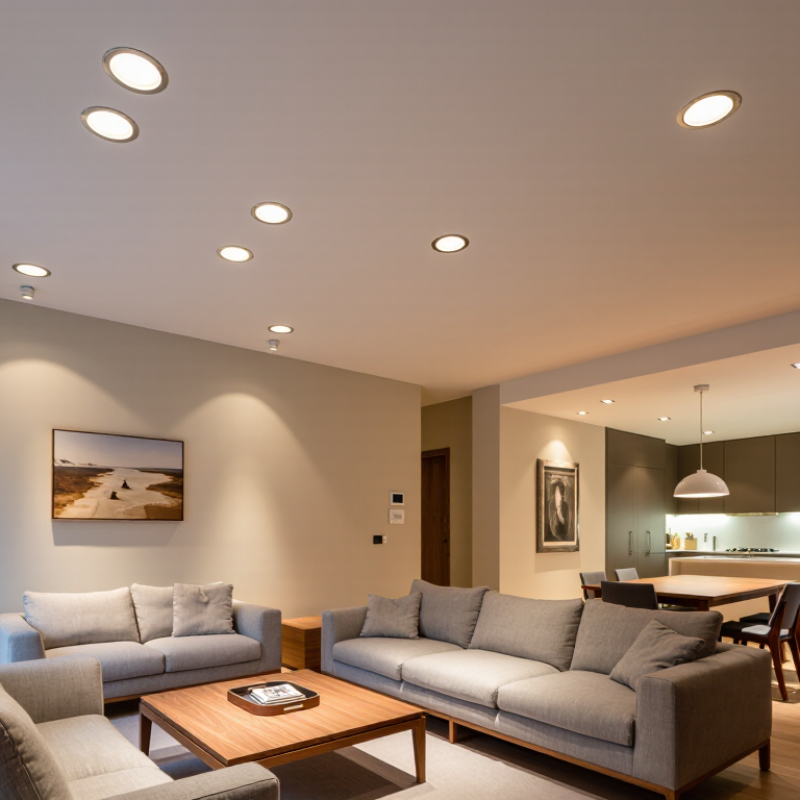
Why are recessed downlights popular in modern homes? The answer begins with their clean, quiet appearance. Unlike hanging fixtures, they sit neatly within the ceiling. This creates open sightlines in living rooms, kitchens, bedrooms, and hallways. A narrow beam can highlight artwork, while a wider beam softly covers a dining table. The result feels intentional, not crowded.

China recessed downlights have also gained attention among homeowners, designers, and electrical contractors. Many manufacturers offer compact designs, adjustable trims, dimming options, and different color temperatures. Warm white light can make a bedroom feel calmer. Neutral white light may support clearer task lighting in a kitchen. Experienced installers also consider ceiling depth, insulation contact, ventilation, and wiring safety before choosing a model. Small details matter.

Quality is not automatic. Some products may show uneven brightness, visible glare, weak heat management, or inaccurate color claims. That part deserves more honesty. A low price can hide future replacement costs. Reliable buyers should review test reports, warranty terms, IP ratings, driver quality, and applicable safety certifications. They should also confirm whether the downlight suits local electrical standards. Professional installation remains important, especially in damp areas or insulated ceilings.

This article explores the practical reasons behind recessed lighting’s popularity. It also examines design flexibility, energy use, visual comfort, and product reliability. The goal is not to praise every fixture. It is to help readers make a more informed decision for real homes, real ceilings, and real daily routines.
Why Are China Recessed Downlights Popular in Modern Homes?

Definition and Basic Structure of China Recessed Downlights

Why Are China Recessed Downlights Popular in Modern Homes?

Definition and Basic Structure of China Recessed Downlights

A China recessed downlight is a compact luminaire installed inside a ceiling opening. Its visible face usually shows a trim, reflector, or diffuser. The light source sits above the ceiling plane. This design creates a clean surface with fewer hanging elements.

Its basic structure includes an LED module, heat sink, driver, housing, reflector, trim, and mounting clips. The LED module produces light, while the heat sink moves heat away from the junction. The driver converts incoming power into stable operating current. That hidden component matters. Poor thermal control can reduce light output and shorten service life.

Many modern units use aluminum heat sinks and integrated LED boards. Some offer adjustable color temperature or beam angles. Installation still requires careful ceiling depth, cut-out accuracy, and insulation clearance. A neat fitting can hide weak engineering.

The U.S. Department of Energy reports that laboratory LED efficacy can exceed 200 lumens per watt, although ordinary products often perform below that level. The International Energy Agency has also reported that lighting uses about 15% of global electricity. Efficient design therefore has practical value, not just visual appeal.

In real homes, a 90-millimeter cut-out may illuminate a hallway, kitchen counter, or reading corner. Beam spread changes the result. A narrow beam can create sharp pools of light. A wider beam feels softer. Specifications help, but ceiling height and wall color still alter the final effect. Small details matter.

Key Features That Suit Modern Residential Interiors

China recessed downlights suit modern homes because they deliver controlled light without visual clutter. Their trim sits almost flush with the ceiling, leaving walls and furniture visually clean. This matters in compact apartments, where every exposed fixture can make the room feel busier. Adjustable versions can aim light toward artwork, kitchen counters, or a reading chair.

Energy performance is another practical advantage. The U.S. Department of Energy reports that LED lighting uses at least 75% less energy and can last up to 25 times longer than incandescent lighting. That difference supports lower electricity use and fewer ladder-based replacements. Many current downlights also offer high color rendering, often above CRI 90, helping wood, fabric, and skin tones appear more natural. Warm color temperatures around 2700–3000K create a softer residential atmosphere.

Dimming adds flexibility. A bright setting supports cooking, while a lower setting feels calmer during dinner. It feels simple. Yet technical details deserve attention. Poor beam spacing can create dark patches, and excessive brightness may cause glare on polished floors. The International Energy Agency continues to identify efficient lighting as an important household energy-saving measure, but efficiency alone does not guarantee comfort. In practice, installers should check ceiling depth, insulation clearance, driver quality, and control compatibility before installation. Some layouts still need pendant or wall lighting for visual balance. Recessed light is useful, not magical.

Energy Efficiency and Lighting Performance

Why Are China Recessed Downlights Popular in Modern Homes?

Energy Efficiency and Lighting Performance

China recessed downlights are popular because they combine modest power use with practical lighting performance. Many modern LED models deliver strong brightness from 7 to 12 watts. In a hallway, this can provide clear visibility without flooding the floor with harsh light. Efficient drivers also reduce wasted electricity and help maintain steadier output over time.

Good performance involves more than brightness. A downlight with a high color rendering index can make wood, fabric, and skin tones appear more natural. Beam angle matters too. A narrow beam highlights artwork, while a wider beam spreads light across a kitchen surface. In testing a room layout, I would check shadows near cabinets and dark patches between fixtures. Small spacing changes can improve comfort.

They are not perfect.

A low-wattage light may still feel uncomfortable if glare control is poor. Heat management also affects lifespan, especially when the ceiling space is tight. My first assessment of efficiency was too simple; actual results depend on driver quality, insulation, dimming compatibility, and installation. Reliable suppliers usually provide photometric data, safety documentation, and tested electrical specifications. Buyers should compare these details instead of trusting wattage alone. A balanced choice delivers efficient illumination, stable color, and comfortable brightness for everyday living.

Design Flexibility Across Different Home Spaces

Recessed downlights remain popular because they adapt to changing home layouts. Their trim can nearly disappear into the ceiling, leaving furniture and artwork visually clear.

A narrow beam can highlight a painting or reading chair. A wider beam can spread gentle light across an open-plan room. In residential lighting practice, this flexibility often matters more than decorative appearance.

The U.S. Department of Energy reports that LED products use at least 75% less energy and last up to 25 times longer than incandescent lighting.

Kitchens benefit from adjustable beams above islands, sinks, and preparation areas. Correct spacing can reduce shadows on worktops. Living rooms usually need less uniformity.

Dimmable fixtures can create brighter task zones and quieter evening corners. Bedrooms may use warm-color light for a softer atmosphere. Bathrooms require suitable damp-location ratings and careful placement near mirrors.

The International Energy Agency estimates that lighting consumes about 15% of global electricity, making efficient control important beyond visual comfort.

However, design flexibility can become visual clutter. Too many ceiling apertures may make a small room feel technical. I have seen layouts that looked precise on paper but produced glare beside a sofa.

That mistake is easy to overlook. Beam angle, ceiling height, wall color, and dimming quality should be tested together. A well-designed scheme leaves some areas darker. Perfect brightness is not always better.

Installation, Safety, and Maintenance Considerations

Recessed downlights remain popular in modern homes because they create clean, even lighting without bulky ceiling fixtures. They work well in kitchens, hallways, bedrooms, and compact apartments. However, installation quality affects safety, comfort, and long-term performance. A neat ceiling is valuable, but hidden wiring deserves equal attention. In practical projects, careful planning usually matters more than appearance.

Before cutting the ceiling, check the joist layout, insulation depth, and available wiring route. A qualified electrician should confirm the circuit load, grounding, and local electrical requirements. Choose a housing designed for the ceiling type, especially where insulation is present. Damp locations require suitable moisture-rated fittings. Keep the specified clearance from insulation and other heat-sensitive materials. Never force a light into a shallow cavity. That shortcut may cause overheating or damage. Not every ceiling is suitable.

After installation, check for flickering, unusual heat, loose trims, or delayed startup. Turn off the power before cleaning or inspecting any fitting. Dust the visible trim with a dry, soft cloth. Do not spray cleaner into the housing. A loose connection can remain unnoticed for months. If light color changes between fixtures, inspect compatibility and wiring. Maintenance is simple, but often neglected. One limitation is easy to miss: replacing a lamp may not solve a deeper electrical problem. When uncertainty remains, stop and request professional testing rather than guessing.

Why Are China Recessed Downlights Popular in Modern Homes? — Installation, Safety, and Maintenance Considerations
Consideration Practical Data or Typical Specification Why It Matters in Modern Homes Recommended Check Before Purchase or Installation
Compact recessed design Common residential LED downlights are usually designed for ceiling cut-out diameters of approximately 75–150 mm, although the exact size varies by model. The low-profile appearance suits minimalist ceilings and provides an unobtrusive lighting layout. Measure the existing cut-out and ceiling depth. Do not enlarge the opening until the fitting dimensions have been confirmed.
Energy consumption Many residential LED downlights use approximately 7–15 W for general room lighting. A 7–10 W LED may provide a similar lighting role to a traditional 40–60 W halogen lamp, depending on lumen output. Lower electrical power can reduce operating costs and heat output compared with older halogen fixtures. Compare lumens, not watts alone. A typical living-space target may be around 300–500 lux, subject to room use and surface reflectance.
Light colour options 2700–3000 K: warm white 3500–4000 K: neutral white 5000–6500 K: cool daylight Different colour temperatures can support relaxing bedrooms, balanced living areas, or task-focused kitchens and workspaces. Use one consistent colour temperature in connected spaces unless a deliberate layered-lighting scheme is planned.
Brightness and colour rendering Residential downlights commonly range from approximately 500–1,200 lumens. A colour rendering index of CRI 80 or higher is suitable for general use; CRI 90 or higher is preferable where accurate colour appearance is important. Higher colour rendering can make food, fabrics, artwork, and skin tones appear more natural. Check the stated lumens, CRI, beam angle, and photometric data. Avoid selecting solely by wattage.
Beam angle Typical beam angles range from about 24° to 60°. Narrow beams create accents, while wider beams provide broader ambient coverage. Beam selection affects glare, shadowing, and the spacing required between fixtures. Use narrow or medium beams for feature lighting and wider beams for general room illumination. Confirm the recommended spacing from the ceiling height.
Electrical compatibility Fixtures may be designed for 220–240 V AC, 100–240 V AC, or another specified input range. Some models require a separate LED driver. Correct voltage and driver compatibility help prevent flicker, overheating, premature failure, and electrical hazards. Verify the input-voltage range, driver type, dimmer compatibility, frequency, and local electrical requirements before connection.
Installation method Spring clips are common for plasterboard or suspended ceilings. Junction boxes, connectors, and drivers should remain accessible where required by local regulations. Correct fixing prevents movement, ceiling damage, loose wiring, and difficult future servicing. Isolate the circuit before work. Have fixed-wiring connections completed or inspected by a qualified electrician where local rules require it.
Thermal management LED efficiency does not eliminate heat. The heat sink and rear housing require adequate ventilation and must not be covered by insulation unless the fitting is specifically rated for that installation. Excessive heat can shorten LED and driver life and may increase fire risk. Check whether the fitting is insulation-contact rated, observe the required clearance, and follow the installation instructions for ceiling materials.
Moisture protection IP20: dry indoor areas IP44: limited splash protection IP65: dust-tight and water-jet protected Bathrooms, kitchens, balconies, and covered outdoor areas may require a higher ingress-protection rating than bedrooms or living rooms. Select the IP rating according to the installation zone and local code. IP ratings do not replace correct sealing or electrical protection.
Fire and electrical safety Look for appropriate electrical safety documentation, rated terminals, strain relief, protective earthing or double insulation, and a suitable driver enclosure. Verified construction reduces the risk of electric shock, loose connections, overheating, and fire. Check conformity markings and test documentation relevant to the destination market. Use residual-current protection where required by local regulations.
Dimming performance Not every LED downlight is dimmable. Compatible systems may use leading-edge, trailing-edge, 0–10 V, DALI, or other control methods. Correct compatibility helps avoid flicker, buzzing, limited dimming range, or driver failure. Match the downlight, driver, dimmer, minimum load, and control protocol. Confirm performance at the intended brightness range.
Expected service life LED products are often rated at approximately 25,000–50,000 hours under specified test conditions. Actual life depends on temperature, driver quality, switching frequency, and operating environment. Long service intervals reduce the need to access high ceilings and can lower replacement labour. Check the rated life, warranty terms, lumen-maintenance information, and driver replaceability rather than relying on the hour rating alone.
Routine cleaning Dust the trim and diffuser with a soft, dry or slightly damp microfiber cloth. Do not spray liquid directly onto the fitting. Clean surfaces help maintain light output and reduce dust accumulation around ventilation areas. Switch off and allow the fitting to cool before cleaning. Avoid abrasive cleaners, solvents, and excessive moisture.
Inspection frequency Visual checks every 6–12 months are practical for normal homes; inspect sooner if there is flickering, discoloration, unusual noise, heat, or repeated tripping. Early detection can prevent damage to ceilings, wiring, drivers, and surrounding insulation. Stop using a fitting that shows scorching, melted parts, exposed conductors, persistent flicker, or a burning smell, and arrange professional inspection.
Replacement and repair Integrated LED units may require replacement of the complete fitting, while replaceable-lamp designs can allow the light source or driver to be changed separately. Replaceable components can reduce waste and simplify long-term maintenance. Before installation, confirm whether the LED module and driver are replaceable and whether spare parts will remain available.
Best-use summary Recessed LED downlights are well suited to general, task, accent, and layered lighting when the lumen output, beam angle, colour temperature, and spacing are properly planned. The combination of a clean appearance, flexible lighting options, and relatively low energy use explains their popularity in contemporary interiors. Prioritize electrical safety, thermal clearance, appropriate IP protection, verified performance data, and installation by a qualified professional when required.
Specifications and installation requirements vary by product, ceiling construction, country, and local electrical code. Always follow the applicable installation instructions and regulations.

FAQS

What is a recessed downlight?

It is a compact light installed inside a ceiling opening. Only the trim, reflector, or diffuser remains visible.

What parts are inside a recessed downlight?

Common parts include an LED module, heat sink, driver, housing, reflector, trim, and mounting clips. Hidden parts matter.

Why does heat management matter?

The heat sink moves heat away from the LED module. Poor thermal control can reduce brightness and shorten service life.

Where can recessed downlights work well?

They suit kitchens, hallways, bedrooms, reading corners, and living rooms. A 90-millimeter cut-out may light a narrow hallway.

How should beam angles be selected?

Narrow beams create sharper pools of light for artwork or chairs. Wider beams provide softer coverage across open rooms.

Can too many downlights create problems?

Yes. Too many ceiling openings may make a small room feel technical. Glare can also appear beside a sofa.

What should be checked before installation?

Check joists, insulation depth, wiring routes, ceiling depth, and required clearances. Confirm circuit load and grounding with a qualified electrician.

How should recessed downlights be maintained?

Turn off power before inspection. Wipe the trim with a dry, soft cloth. Do not spray cleaner into the housing.

What problems should homeowners watch for?

Watch for flickering, unusual heat, loose trims, delayed startup, or changing light colors. Replacing the lamp may not fix wiring problems.

Is every ceiling suitable for recessed downlights?

No. Shallow cavities, insulation, and moisture can limit installation choices. Forcing a fitting into a tight space is a poor shortcut.

Conclusion

Why are recessed downlights popular in modern homes? These ceiling-mounted fixtures are installed within the surface, creating a clean, low-profile appearance that complements contemporary interiors. Their basic structure typically includes a trim, housing, light source, and electrical components, allowing the fixture to provide focused or general illumination without taking up visual space. Modern recessed downlights are valued for their energy efficiency, long service life, low heat output, and consistent lighting performance, making them practical for everyday residential use.

Their design flexibility allows homeowners to create different lighting effects in living rooms, kitchens, bedrooms, hallways, and bathrooms. Options such as adjustable beams, varied color temperatures, dimming, and different trim styles can support both functional and decorative needs. Proper installation should consider ceiling structure, wiring, ventilation, moisture protection, and electrical safety. With suitable placement and routine cleaning, recessed downlights can offer reliable performance, easy maintenance, and a balanced combination of comfort, efficiency, and modern visual appeal.

Sienna

Sienna

Sienna is a skilled marketing professional with a deep expertise in our company’s core products and services. With a passion for innovation and detail, she plays a pivotal role in crafting insightful blog posts that not only highlight the unique features of our offerings but also provide valuable......