Engineering-grade emergency downlights for Novosibirsk commercial, industrial and public infrastructure — 3-hour battery backup, DALI self-test capability, export-ready documentation and direct China factory supply.
Built for distributors, electrical contractors, EPC teams, facility managers and private-label brands serving the Siberian market.
The first four models below are practical entry points for Novosibirsk distributors, contractors and project buyers. Each product URL is retained exactly, while the positioning is localized for Siberian procurement, warehousing and installation realities.
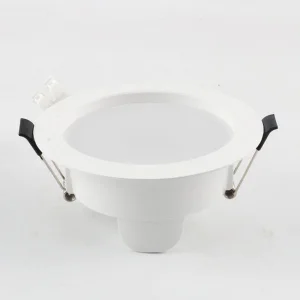
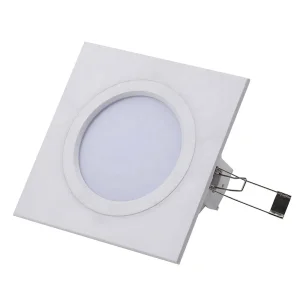
Emergency lighting is a life-safety category. Buyers need evidence of manufacturing depth, component discipline and project support — not only a quotation.
Novosibirsk is not a generic destination for emergency lighting. It is the administrative, scientific, industrial and logistics center of Siberia, with a building stock that includes large shopping malls, universities, hospitals, offices, transport infrastructure, warehouses, manufacturing plants and public facilities. The city’s long winters, low ambient temperatures, snow and ice logistics, high-ceiling commercial spaces and power-quality variations all raise the bar for reliable emergency lighting. In this environment, an emergency downlight is not a commodity lamp; it is a life-safety asset with a maintenance obligation.
Search intent for “Emergency Downlight Factories & Supplier for Novosibirsk” usually comes from five buyer groups: electrical distributors serving Siberia, licensed electrical contractors, EPC and installation companies, facility-management teams operating multi-site estates, and private-label brands looking for OEM or ODM support. Each group needs different proof. Distributors need stable supply and documentation. Contractors need installation clarity and battery reliability. EPC teams need compliance files and photometric data. Facility managers need low-maintenance self-test options. Brands need customization, packaging and consistent quality across repeat orders.
For Novosibirsk buyers, the lowest unit price is rarely the lowest project cost. A downlight that requires repeated site visits, battery replacement or documentation rework can erase the savings of a low quotation very quickly. The more valuable supplier is one that can connect product design, compliance evidence, export packaging and post-delivery support into a single procurement-ready system.
Emergency downlight technology is moving from standalone battery fixtures toward addressable, self-diagnosing and data-rich safety devices. For Novosibirsk projects, the roadmap should be evaluated against cold-climate reliability, maintenance access and documentation quality.
LiFePO4 and advanced lithium systems are increasingly preferred for high cycle life, stable discharge and compact integration. For Siberian logistics, suppliers should define storage temperature, charging conditions, battery protection and replacement strategy. A 1200mAh battery platform, 3-hour autonomy and low self-discharge design can support predictable emergency operation when commissioning is delayed.
Manual monthly and annual testing is difficult across distributed sites. DALI emergency function, automatic self-test, fault logging and visible status indicators reduce maintenance labor. For Novosibirsk shopping malls, schools, hospitals and offices, self-test capability can improve compliance discipline while lowering the risk of undetected battery failure.
High-lumen output must be matched with thermal management, glare control and robust sealing. IP65 and IP66 options support dusty, humid or wash-down areas, while IK08 protection helps in public and industrial spaces. CCT options, high CRI and flicker control are also relevant where emergency downlights share visual space with normal lighting.
Project teams increasingly expect IES/LDT photometric files, DIALux/Relux data, installation drawings and BIM objects. QR-based product identification, batch traceability and digital maintenance logs are becoming practical differentiators. These deliverables reduce specification risk and shorten approval cycles for international projects.
The next stage of emergency lighting will be shaped by addressable monitoring, digital product passports, battery-state analytics and integration with building-management systems. For Novosibirsk, adoption will be gradual: public infrastructure and large commercial estates are likely to lead with self-test and central monitoring, while distributors and contractors will continue to demand cost-effective standalone models with proven reliability. The winning supplier will be able to offer both: practical 3-hour battery downlights for everyday projects and future-ready DALI/self-test platforms for high-value sites.
Different building types create different emergency-lighting risks. A single product family can serve many sites, but the specification logic must change with ceiling height, occupancy, escape routes and maintenance access.
High ceilings, long aisles, forklift traffic and cold-storage zones require robust IP-rated emergency downlights with clear coverage and easy maintenance. Battery reliability and surge tolerance matter in large logistics parks.
Open areas, cinemas, food courts and panic routes need visually discreet fixtures, maintained/non-maintained options and exit-sign integration. DALI self-test helps multi-tenant facilities manage testing across large floors.
Corridors, auditoriums, laboratories and dormitories require tamper-resistant installation, clear status indication and reliable 3-hour operation. Automatic testing reduces the burden on campus maintenance teams.
Healthcare environments need low-glare emergency lighting, cleanable surfaces and dependable backup for critical circulation areas. Self-test and fault logging support strict maintenance governance.
Voltage variation, dust, vibration and high-bay installation demand rugged housings, effective thermal design and battery protection. Emergency downlights should be selected with the site’s electrical quality in mind.
Recessed emergency downlights should blend with interior design while meeting escape-route requirements. Low-profile housings, CCT consistency and optional DALI integration are key for premium commercial spaces.
Metro, bus, rail and airport environments require impact-resistant fixtures, clear wayfinding and robust maintenance access. IK08 and IP65 options are valuable where public traffic and cleaning cycles are intensive.
Stairwells, corridors, parking areas and shared amenities benefit from compact emergency downlights, bulkhead options and sensor-ready configurations that balance safety, energy use and installation simplicity.
Novosibirsk buyers operate within the Russian regulatory environment, where electrical safety, fire safety and customs conformity must be addressed before products reach site. Suppliers should be ready to support documentation for Eurasian Economic Union requirements, including relevant TR CU technical regulations such as TR CU 004/2011 for low-voltage equipment and TR CU 020/2011 for electromagnetic compatibility, together with EAC marking and Russian-language information where required. Project teams should always verify final acceptance criteria with the local authority having jurisdiction, fire inspector and customs broker.
Localization is more than translation. It includes 220–240V 50Hz compatibility, clear wiring diagrams, Russian or bilingual installation instructions, neutral or project-specific packaging, spare terminal blocks, battery replacement guidance and responsive technical communication across time zones. For large Novosibirsk projects, suppliers should also provide photometric files, product data sheets and batch traceability for facility handover.
Prepare product descriptions, HS-code support, CE/EMC/RoHS evidence, EAC-related documents, battery UN38.3 reports and MSDS where applicable. For emergency lighting, fire-safety documentation and installation instructions should be aligned with the project’s acceptance process.
Novosibirsk-bound shipments often combine rail, road and air options. Battery-containing luminaires require correct transport classification, packaging and labeling. Suppliers should plan buffer time for customs clearance and seasonal logistics, especially during peak pre-winter delivery windows.
Remote commissioning support, installation Q&A, spare parts, replacement batteries and project-specific test reports reduce site friction. For distributors, consistent packaging and model documentation simplify local stock management and resale.
A tender-ready package can include data sheets, photometric files, installation drawings, battery specifications, warranty terms, packaging details and compliance declarations. This information gain helps Novosibirsk specifiers compare suppliers on evidence rather than claims.
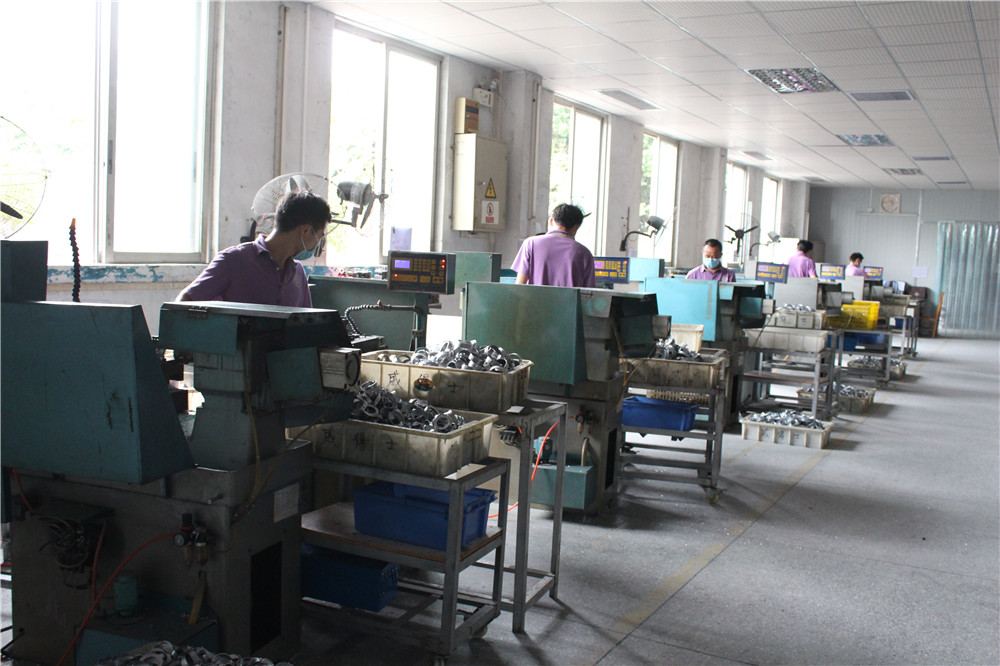
Factory 4.0 is not a slogan in emergency lighting; it is the discipline of making quality predictable across repeat orders. For Novosibirsk distributors and project buyers, the practical benefits appear in four areas: component traceability, repeatable testing, flexible customization and supply-chain responsiveness. A factory that can connect ERP/MES records, incoming inspection, production testing and final packing data is better equipped to protect a project schedule when volumes rise or specification changes arrive late.
Diva Lighting was founded in Foshan, China in 2000 with a focus on continuous innovation and strict quality control. The factory covers 15,000 square meters with more than 150 employees, while the sales headquarters and product development center occupy 1,200 square meters in downtown Foshan. The company focuses on designing and manufacturing LED downlights, with products manufactured in accordance with CE, EMC, ENEC, UL and RoHS standards and components integrated from suppliers such as TRIDONIC, CITIZEN, BRIDGELUX and CREE. More than 280 patents in China and abroad reflect a long-term commitment to product development.
Batch records for LED boards, drivers, batteries and housings help isolate issues quickly. For emergency downlights, battery and driver traceability is especially important because these components determine backup performance and service life.
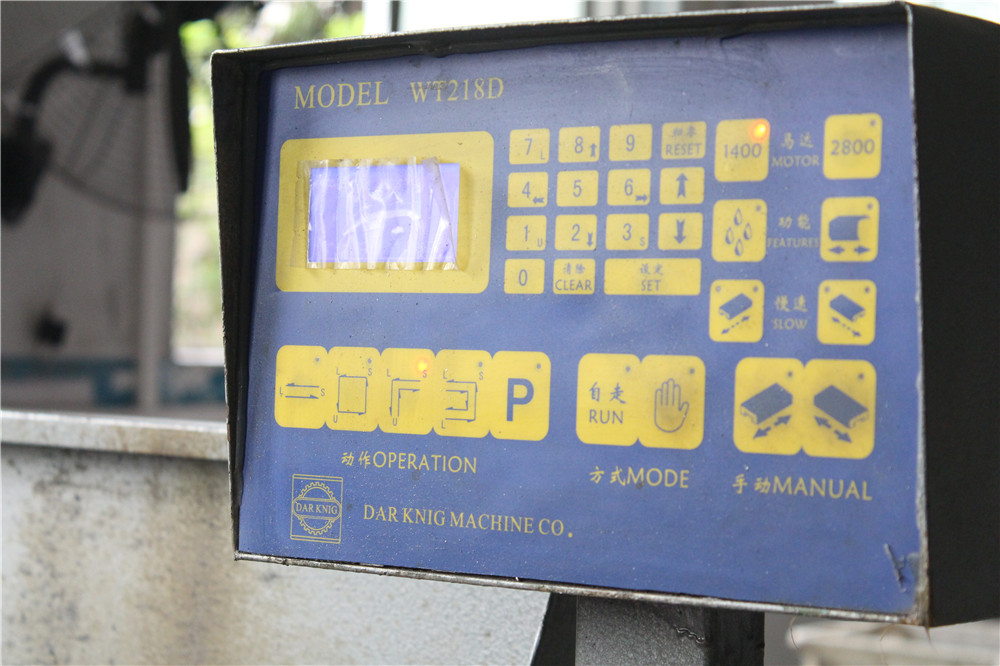
Aging tests, charge/discharge verification, high/low-temperature checks, insulation resistance, IP and IK validation, and final functional inspection should be built into the production flow rather than treated as optional checks.
OEM and ODM programs may require CCT tuning, housing color, logo, packaging, battery autonomy, terminal layout or DALI configuration. Flexible lines and clear engineering communication shorten the gap between sample approval and repeat production.
Dual sourcing for critical components, safety stock for high-runner parts and export packaging reduce interruption risk. For Novosibirsk projects, early technical review and pre-production documentation can prevent costly rework after the tender is awarded.
Global buyers rarely purchase emergency downlights as isolated products. They evaluate suppliers against a repeatable scorecard covering compliance, consistency, documentation, logistics and after-sales response.
Certificates, test reports, declarations and battery transport documents should be ready before the RFQ reaches final approval. Evidence quality is part of product quality.
IES/LDT files, DIALux/Relux data, installation drawings and BIM objects reduce specification risk and support faster design approval.
Pre-production samples should be tested for brightness, backup time, charging, switching, sealing and installation. Pilot batches reveal whether the factory can repeat the approved sample.
A live or remote audit should review incoming inspection, production testing, battery handling and packing. Batch traceability protects distributors during warranty claims.
Drop-tested cartons, clear carton marks, battery labels and mixed-model packing plans matter for long-distance shipments to Siberia.
Response time, spare-parts availability, battery replacement policy and failure-analysis workflow should be defined in writing.
Logo, packaging, manuals, product labels and model naming can be localized for Novosibirsk distributors and private-label brands.
Compare unit price with installation time, maintenance visits, battery life, failure rate, documentation effort and project delay risk. The lowest quotation may not be the lowest installed cost.
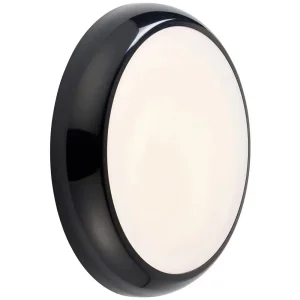
These four additional factory options support cold-climate backup, industrial bulkheads, compact retrofit housings and DALI-based smart-building emergency control.
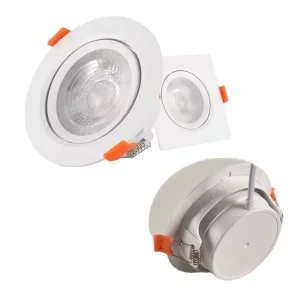
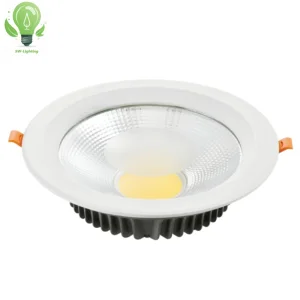
A practical Q&A for distributors, contractors and project buyers comparing emergency downlight factories and suppliers for the Novosibirsk market.
Verify the manufacturer’s factory profile, product test reports, battery specifications, 3-hour backup performance, IP/IK ratings, wiring diagrams, packaging and EAC-related documentation requirements. Ask for samples and confirm that the approved sample can be repeated in mass production.
Three-hour autonomy is commonly requested for commercial and public projects, but the final requirement must follow the project’s fire-safety design and local acceptance criteria. For large sites, self-test and fault indication may be as important as nominal battery duration.
A capable supplier should provide product data sheets, CE/EMC/RoHS evidence, battery UN38.3 reports, MSDS, packing lists and commercial invoice support. EAC-related certification and marking requirements must be confirmed with a qualified local regulatory consultant or customs broker for each product and project.
Products should be specified with cold-tolerant batteries, protected electronics and suitable storage/transport instructions. During commissioning, allow for temperature stabilization and verify charging conditions. For outdoor or semi-outdoor areas, choose higher IP and IK ratings and confirm the installation environment with the manufacturer.
Yes. OEM and ODM discussions can cover logo, model naming, CCT, housing finish, battery configuration, packaging, manuals and labels. Russian-language or bilingual documentation can be prepared for distributors and project handover, subject to final artwork approval.
MOQ and lead time depend on the model, customization level, battery configuration and order mix. For project procurement, share target quantities, CCT, IP rating, backup time, packaging language and delivery schedule so the factory can provide a realistic production and shipping plan.
Ask for product data sheets, photometric files, installation instructions, battery specifications, warranty terms, packaging details, compliance declarations, spare-parts information and batch traceability. This package helps Novosibirsk specifiers compare suppliers on measurable evidence.
DALI emergency function and automatic self-test can report faults without manual inspection of every fixture. For shopping malls, schools, hospitals and offices, this supports scheduled maintenance, faster fault isolation and better audit records, especially across large or multi-building estates.
Match the product to the space. Compact 5W downlights suit offices and corridors; high-lumen models suit high ceilings; exit signs serve wayfinding; IP65/IK08 bulkheads suit industrial, parking and public areas. For DALI projects, choose emergency function models with compatible drivers and control architecture.
Battery products require correct classification, UN38.3 test summaries, MSDS where applicable, proper inner packaging and labeling. Logistics mode — rail, road, air or multimodal — affects documentation and lead time. Plan buffer time for customs and seasonal transport constraints.
Diva Lighting was founded in Foshan, China in 2000, with the idea of continuous innovation and strict quality control. The factory of Diva Lighting is located in Foshan, Guangdong, covering an area of 15,000 square meters, with more than 150 employees.
The sales headquarter and product developing center is located in downtown Foshan, with 1200 square meters office space. A group of innovative and passionate people work here, delivering good service and designing creative down light led products.
Diva focus on designing and manufacturing LED downlights, all downlights strictly meet the fire safety and electrical safety requirement of lighting, as our goal is to making home a better and safer place. Acquiring OHSAS18001:2007 and ISO14001:2004 certifications prove our commitment to the society and environment. Diva's lighting products are manufactured in accordance with the CE, EMC, ENEC, UL and RoHS standards. All lighting products integrate and utilize high quality electrical components such as driver from TRIDONIC and light source from CITIZEN, BRIDGELUX and CREE.
Aiming at "Becoming an outstanding innovative lighting company", Diva spare no effort on the research and development of lighting products, and has own more than 280 patents both in China and abroad, including Europe and North America. With good reputation, Diva put customers on the first place, and is dedicated to bring customers good experience by delivering good customer service, innovative products and ensure quality stability.
Our Mission: Helpin customers with business success, Working for a safer and better world.
Our Value: Satisefy customer. Pragmatic innovation. Fast&Efficiency. Open&Cooperation.
Our Vision: Creat the industry's first product and become the first brand in the segment filed.
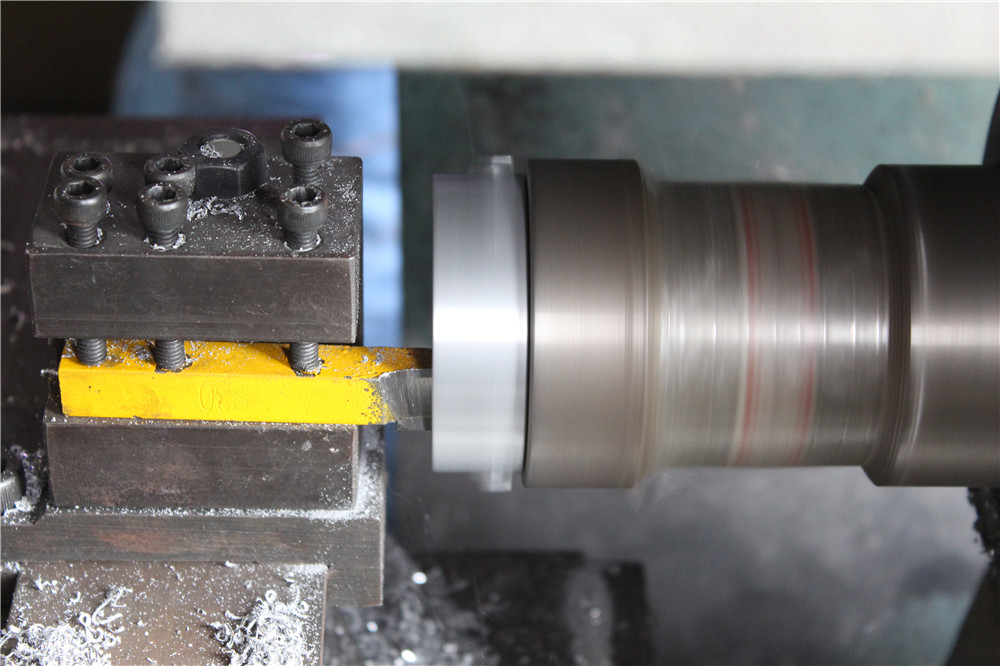
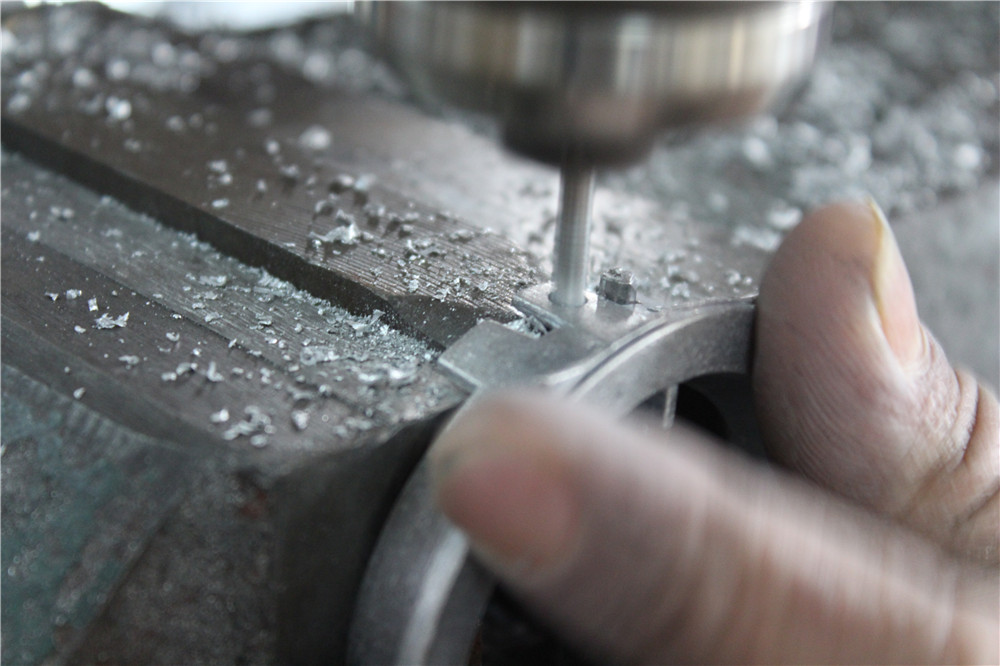
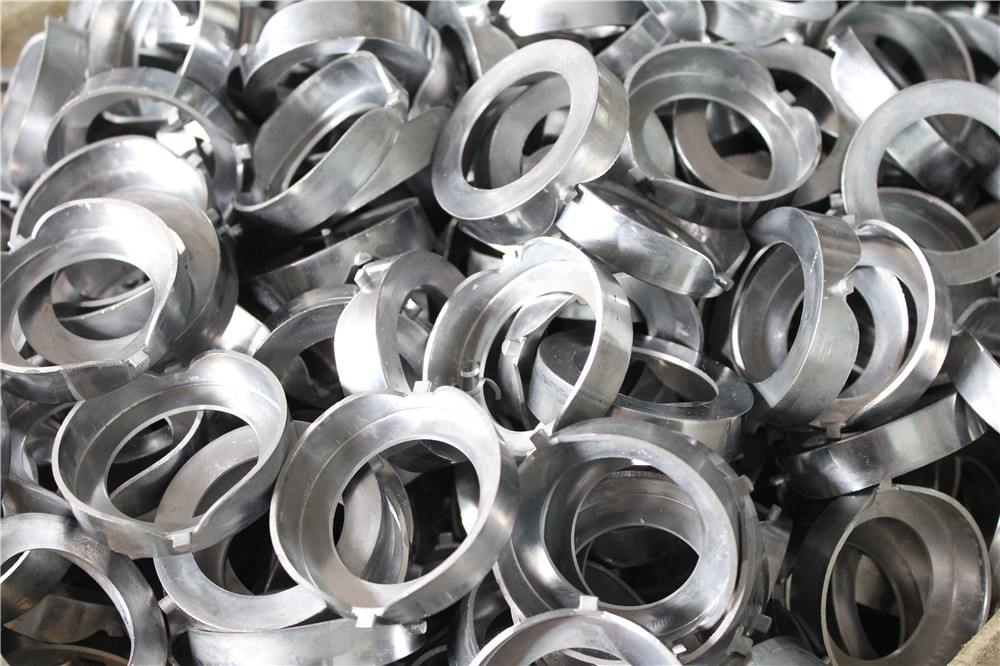
The bottom portfolio presents eight more original product options for Novosibirsk offices, shopping malls, hotels, fire-safety projects, compact retrofits and ceiling-recessed emergency lighting programmes.
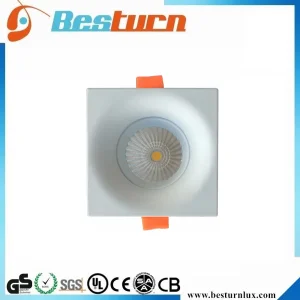
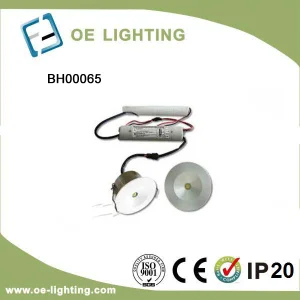
Novosibirsk Value Procurement: High Quality Emergency Down Light with Factory Lowest Price
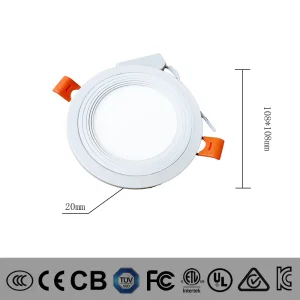
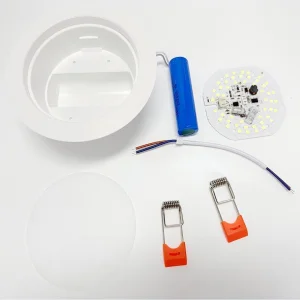
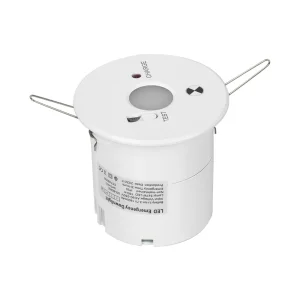
Novosibirsk Compact Retrofit: LED Downlight Spot Light Emergency Light Down Light 108*108*20mm
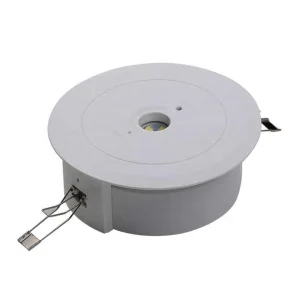
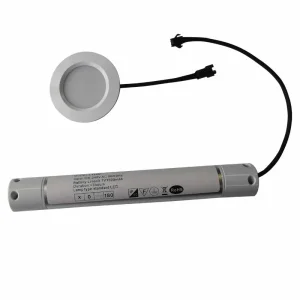
Send your target model, quantity, CCT, IP rating, backup time, documentation requirements and shipment preference. The factory team will respond with a project-specific quotation and technical package.
Send Inquiry Now Diva Lights