Choosing the best downlights for residential use in 2026 requires more than comparing wattage and price. A ceiling light can look efficient on paper yet create glare, harsh shadows, or poor color in daily life. How to choose downlights for residential use depends on room function, ceiling construction, visual comfort, and long-term maintenance.
The U.S. Department of Energy reports that LED lighting uses at least 75% less energy and lasts up to 25 times longer than incandescent lighting. That advantage matters in kitchens, hallways, and living rooms used every evening. However, efficiency alone is not enough. A useful downlight should provide suitable lumens, a comfortable beam angle, high color rendering, and reliable dimming performance. Look for CRI 90 or higher where skin tones, wood, food, and artwork matter. For general rooms, 2700K to 3000K often creates a warmer residential atmosphere. Cooler light may suit garages or focused work areas.
Details matter.
ENERGY STAR guidance emphasizes certified performance, tested lifetime, and compatibility with controls. The Illuminating Engineering Society also stresses glare control, uniformity, and lighting quality in residential applications. These principles support practical choices, but product labels can still confuse buyers. I have seen similar-looking fixtures perform very differently after installation. One may flicker with a wall dimmer. Another may expose a bright LED source from a sofa seat. This guide examines 2026 downlight options through measurable specifications and real installation concerns, while admitting one limitation: no single model suits every home, ceiling, or personal preference.
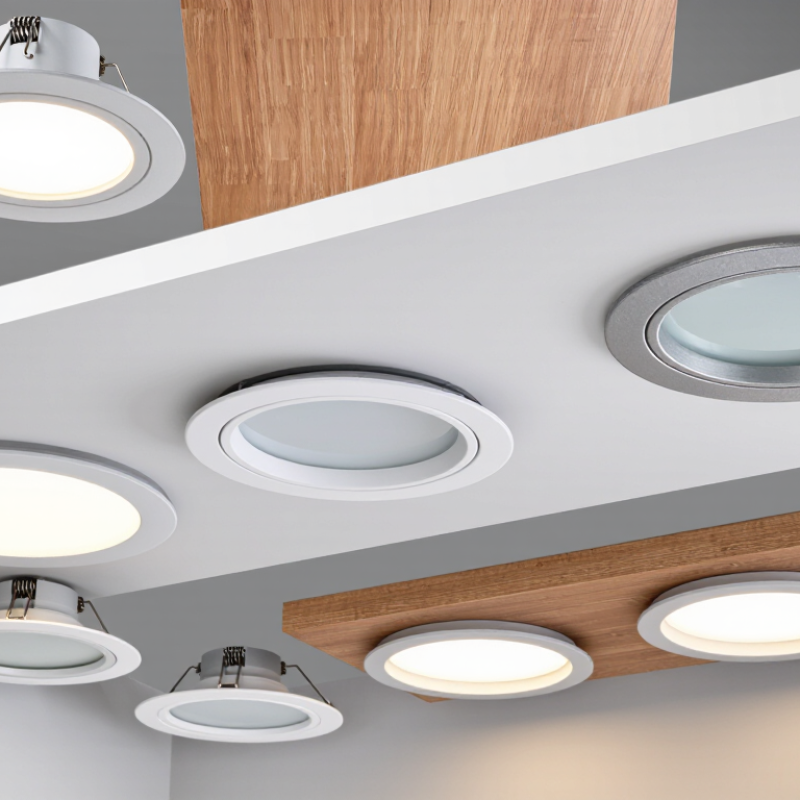
A high-quality residential downlight in 2026 must deliver comfortable light, not just impressive brightness. The International Energy Agency reports that buildings consume about 30% of global final energy, making efficient lighting a practical household decision. Look for efficient LEDs, stable dimming, and useful delivered lumens. Laboratory claims can mislead. A fixture rated above 100 lumens per watt may perform poorly after optical and thermal losses.
Visual comfort matters more than many buyers expect. The U.S. Department of Energy’s solid-state lighting research identifies efficacy, color quality, and glare control as connected performance goals. Choose a color rendering index of 90 or higher for kitchens, bedrooms, and artwork. Select 2700K to 3000K for relaxed rooms. A deep baffle, suitable beam angle, and low unified glare rating can reduce harsh ceiling reflections. Check measured data, not vague phrases like “eye-friendly.”
Small details reveal engineering quality. ENERGY STAR guidance emphasizes tested performance, dimmer compatibility, and long-term reliability. Look for flicker measurements, airtight housing, suitable insulation-contact ratings, and clear lumen-maintenance data. A five-year warranty helps, but it cannot replace independent testing. I still question products that hide driver specifications. That omission matters. In real homes, a downlight may hum, flicker, or show uneven color after installation. The best choice balances efficiency, thermal design, serviceability, and the room’s actual visual needs. Perfect specifications are rare. Good judgment remains necessary.
Choose strong, accurate light for food preparation. A color rendering index above 90 helps food and timber look natural. Place fixtures slightly in front of worktops. This reduces shadows while chopping. A beam near 36 degrees can focus light effectively.
Use wider beams for softer, more even illumination. Dimming control helps adjust brightness during reading or relaxing. Adjustable fixtures can highlight artwork or shelves. Glare still needs checking.
Choose warm light between 2700K and 3000K. It usually feels calmer at night. Low-glare trims reduce harsh ceiling reflections. Softer output may support a quieter atmosphere. Not every room feels identical.
Select fixtures rated for damp or wet locations. The correct rating depends on distance from water. Check the installation zone and local electrical requirements. Water changes everything.
Narrow beams can create bright circles on tall ceilings. Broad beams may appear too flat in some rooms. Test the spacing before final installation. Temporary lamps can reveal dark corners and glare. It is imperfect, but useful.
Compare delivered lumens, beam angle, glare control, flicker, and color quality. Wattage alone does not describe useful light. Kitchens may need stronger worktop illumination. Living rooms often need gentler, wider light. Brightness can deceive.
Confirm compatibility between the fixture, driver, and dimmer before installation. Some lights dim smoothly, while others buzz or drop suddenly. Test the lowest setting in the actual room. A product can look excellent and still dim poorly.
Check recognized electrical safety certification and suitable fire-rated construction where required. Confirm insulation-contact ratings before installation. Thermal design matters because trapped heat can shorten component life. Heat is easily underestimated.
Compare tested lumen maintenance, power use, warranty coverage, and driver quality. Treat long lifespan claims carefully when test conditions are unclear. Real fixtures may produce fewer lumens than laboratory packages. Lenses, drivers, and heat reduce output. The number is not everything.
Consider comfortable light, reliable testing, accessible replacement parts, and a practical warranty. A slightly brighter fixture may waste light on walls. Furniture can later change the ideal beam layout. My original plan may still need revision.
Choosing the right residential downlights in 2026 requires more than comparing appearance and price. A high-quality downlight should provide comfortable, consistent illumination, accurate color rendering, suitable brightness, low glare, and reliable heat management. Different rooms have different needs: kitchens and work areas benefit from brighter, task-focused lighting, while bedrooms and living rooms may require softer, warmer, and dimmable light. Wet or humid areas also need appropriately rated fixtures for added protection.
When considering how to choose downlights for residential use, homeowners should evaluate installation methods, ceiling compatibility, beam angles, control options, and smart lighting features. Energy efficiency, long service life, safe materials, stable performance, and easy maintenance all contribute to long-term value. It is also important to select products with suitable certifications, dependable warranties, and specifications that match the home’s electrical system. By balancing performance, comfort, safety, flexibility, and total ownership cost, homeowners can create lighting that is practical, attractive, and ready for future needs.

 Diva Lights