Adjustable downlights are increasingly popular in modern lighting design. They provide flexibility and a way to highlight specific areas in a room. However, the key to their effectiveness lies in how well they are positioned. James Watt, a renowned lighting designer, once said, "The right angle makes all the difference in effective lighting." This statement emphasizes the importance of understanding how to adjust the angle of adjustable downlights.
When considering how to adjust the angle of adjustable downlights, start by identifying the desired focus area. The light should enhance architectural features or artwork. Many people struggle with finding the perfect angle. It often takes multiple adjustments to achieve the best effect. In some cases, users may overlook how small changes can produce significant results.
One major challenge is balancing light output without creating glare. For instance, downlights aimed too directly may dazzle the eyes. This requires thoughtful positioning and adjustment. Understanding the direction and intensity of light is essential for optimal performance. As you experiment with adjustments, consider the overall ambiance you want to create. The installation process can be straightforward, yet finding the ideal angle often demands patience and practice.
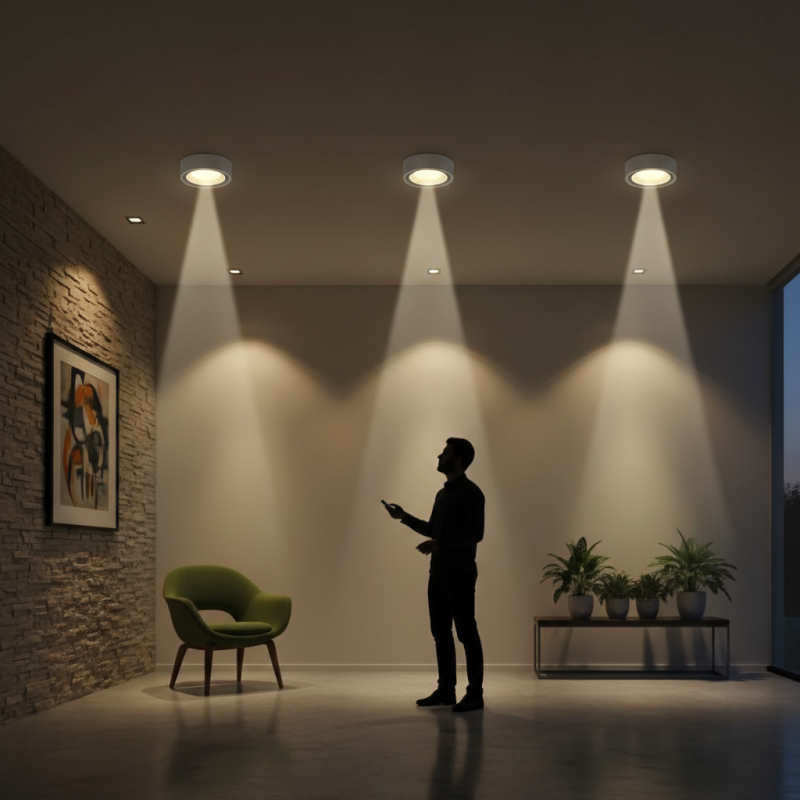
Adjustable downlights are versatile lighting fixtures that can enhance any space. They can be tilted and rotated to direct light exactly where it’s needed. This adaptability makes them ideal for both residential and commercial environments. However, many people overlook the importance of proper angle adjustments.
Understanding the optimal angle of downlights can significantly affect the ambiance. A well-placed light can spotlight artwork or create intimate corners. But if angled incorrectly, it can lead to harsh shadows or unwanted glare. Experimenting with different angles can help you find the perfect balance. It may take some time to get it right. It’s not just about aesthetics; functionality matters too.
Many users find it challenging to adjust these fixtures accurately. A slight misalignment can alter the overall effect. Reflecting on your lighting choices is essential. Trial and error may become part of the process. Learning how to adjust the downlights can transform your space. So, don’t hesitate to revisit your arrangements periodically for the best results.
| Feature | Description | Adjustment Range | Best Use Case |
|---|---|---|---|
| Tilt | Allows vertical adjustment | Up to 30 degrees | Highlighting artwork |
| Swivel | Allows horizontal adjustment | Up to 360 degrees | General lighting |
| Color Temperature | Different warmth levels | 2700K to 5000K | Mood setting |
| Dimmer Compatibility | Adjust brightness levels | Varies by model | Adjustable ambiance |
| Energy Efficiency | Lower energy consumption | Up to 80% less than incandescent | Cost-effective lighting |
When selecting adjustable downlights, understanding their types and features is crucial. Common types include gimbal downlights, which offer flexibility in positioning. They can pivot in various directions, allowing for focused lighting on specific areas. This is especially useful in spaces needing targeted illumination, like art galleries or retail settings. According to industry reports, adjustable downlights are increasingly popular for residential and commercial use, estimated to grow by 15% annually.
Another type is tilt downlights, which can be angled but often have a fixed position. They are ideal for general lighting rather than accent lighting. The choice between gimbal and tilt varieties often depends on the functionality required in your environment. Data suggests that using adjustable downlights can enhance the aesthetic appeal of a room, boosting its value by about 10% when installed properly.
Tips for optimal adjustment: Experiment with angles at different times of the day. Observe how light changes with the sun's position. This can reveal how to enhance or minimize shadows in a space. Remember, too much direct light can create harsh contrasts. Reflect on the ambiance you want to create. Adjusting angles isn't just about illumination; it's about enhancing the overall feel of the room.
To adjust the angle of adjustable downlights effectively, having the right tools is essential. A simple screwdriver can be crucial for loosening screws on many fixtures. For more precision, a protractor provides clear angle measurements, ensuring you achieve your desired lighting effect. A pair of pliers may help adjust tight fittings, while a flashlight or headlamp enhances visibility. In 2023, industry data indicates that over 70% of lighting professionals emphasize proper tools for optimal light direction.
When making angle adjustments, a systematic approach is beneficial. Position the downlight and aim it towards the intended area. It’s common for users to overlook how reflections can alter brightness perception. Lighting should enhance room dynamics, not create harsh contrasts. Research shows that improper alignment can lead to reduced energy efficiency, affecting up to 20% of overall lighting performance. Regularly reassess the angles in relation to room use, as changing layouts may require adjustments too.
Finding the perfect angle is a trial-and-error process. Tracking improvements in light texture and brightness can teach invaluable lessons. Even experts occasionally miss the mark. A well-lit space involves ongoing evaluation, emphasizing the need for patience when recalibrating angles. The right tools and mindset foster this growth, leading to a better understanding of how light shapes environments.
Adjustable downlights offer versatile lighting solutions in various settings. Properly adjusting their angles can enhance illumination and ambiance effectively. According to studies, well-angled downlights can
increase room brightness by up to 30%. This boost in brightness may lead to improved visibility and aesthetic appeal.
Start by identifying the primary function of the space. Is it for task lighting or ambiance? For task areas like kitchens or offices, aim for a 30-degree angle. This focus allows for effective light distribution without shadow interference. In contrast, living areas may benefit from a broader illumination spread. Research indicates that adjusting the angle of downlights can influence mood and productivity significantly.
While adjusting, it’s essential to experiment. Some might find the light too harsh or dim after adjusting. Small changes can lead to big impacts. A 10-degree shift may seem minor, but it can alter the room's entire atmosphere. Be mindful of shadows cast by furniture or walls; they can disrupt the desired effect. Remember, it may take several attempts to get the perfect alignment, revealing the challenging side of achieving optimal lighting.
When adjusting adjustable downlights, many make common mistakes that can lead to improper illumination. One prevalent error is the angle setting. Experts from the Lighting Research Center suggest that the optimal beam angle for accent lighting should be between 30 to 45 degrees. An incorrect angle can cause harsh shadows or diminished brightness.
Another frequent mistake is overlooking the overall room design. It’s essential to consider where the light will cast. A well-placed light should enhance focal points rather than create glares or uneven lighting. According to a study by the IES (Illuminating Engineering Society), lighting can influence mood and perception, making proper placement critical for ambiance.
**Tip 1:** Always test the lights before finalizing the angle. Step back and observe how the light interacts with the space.
One of the biggest pitfalls is adjusting lights in isolation. It’s best to assess the entire lighting scheme. Balancing natural and artificial lighting can offer a more harmonious atmosphere. A poor adjustment could lead to spaces feeling overly cold or uninviting.
**Tip 2:** Use dimmers to create flexibility. This allows you to fine-tune the brightness and overall effect in real-time.
Remember, it’s a process. Retrieving feedback can help refine your adjustments, making the space function more effectively.
: Adjustable downlights are versatile lighting fixtures that can tilt and rotate to direct light where needed.
Experiment with angles, observing how light affects your space. Too much direct light can create harsh shadows.
Common types include gimbal downlights, which pivot, and tilt downlights, which are fixed but angle for general lighting.
Proper angles can enhance ambiance, spotlight artwork, or create cozy corners. Incorrect angles may lead to glare or shadows.
Well-angled downlights can boost brightness by up to 30%, improving visibility and aesthetic appeal significantly.
Reflect on the primary function of the space. Task lighting may need a 30-degree angle, while living areas benefit from broader spreads.
Yes, slight misalignments can alter effects significantly. Trial and error may be part of the process for the best results.
Periodic adjustments can optimize lighting. Light changes throughout the day, affecting ambiance and shadows.
Yes, research indicates that downlight angles can significantly impact mood and productivity in different environments.
Adjustable downlights are a versatile lighting solution that allows you to enhance the ambiance of a space by directing light precisely where it’s needed. Understanding the different types of adjustable downlights and their features is crucial for effective use. To achieve optimal lighting, it’s essential to know how to adjust the angle of adjustable downlights correctly. This involves using the right tools and following a step-by-step guide to ensure that adjustments are made accurately.
While adjusting downlight angles, there are common mistakes to avoid, such as over-tightening or misaligning the fixtures, which can compromise the overall lighting quality. By following the outlined steps thoughtfully, you can achieve a well-lit environment that meets your needs while avoiding these pitfalls. Proper adjustment of downlights not only enhances the aesthetics of a room but also maximizes their functionality.

Diva Lights