Anti-glare downlights are becoming increasingly popular in modern lighting design. They focus on providing illumination without the harshness of traditional lighting options. By minimizing glare, these fixtures create a more comfortable environment for work and leisure.
What is anti-glare downlight and its benefits? This question reveals the importance of choosing appropriate lighting. These downlights enhance visual comfort and reduce eye strain. They are especially beneficial in settings such as offices, schools, and homes. Users can appreciate the soft glow without feeling overwhelmed by brightness.
Choosing the right downlight can elevate the aesthetic of a space while improving functionality. However, it’s crucial to consider the design and placement. Not all anti-glare options may suit every environment. Reflecting on these aspects ensures the right balance between style and practicality.
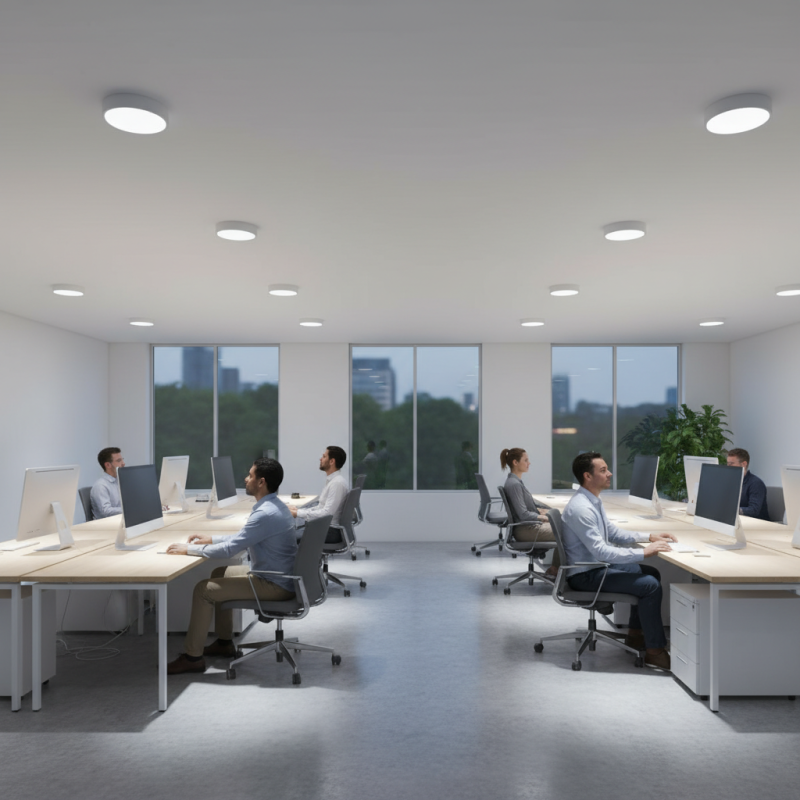
Anti glare downlights are lighting fixtures designed to minimize harsh brightness and enhance visual comfort. Unlike traditional downlights, these fixtures use innovative designs to reduce glare effects. According to a recent report by the International Lighting Association, glare can significantly impact productivity in work environments, leading to decreased efficiency.
These downlights offer an effective solution, utilizing specific angles and diffusers. This helps to create a more uniform light distribution in a space. The American Society of Interior Designers suggests that glare reduction is crucial in setting the right mood and improving aesthetics. It can lead to a 15% increase in perceived space quality. That’s essential for both commercial and residential settings.
Research shows that proper lighting can influence well-being. A study from the Lighting Research Center indicated that environments with lower glare levels promote relaxation and concentration. Implementing anti glare downlights can transform spaces, making them more inviting. However, some might find them lacking in brightness. It’s important to balance comfort and visibility in lighting design.
Anti-glare downlights are becoming increasingly popular in modern architectural design. These fixtures reduce discomfort from bright light sources. They help create a more pleasant environment. According to a report by the Lighting Research Center, nearly 50% of workers experience discomfort from glare in offices. This discomfort can lead to reduced productivity and eye strain.
Key features of anti-glare downlights include their precise lens design and lower brightness output. The lenses diffuse light effectively, minimizing harsh direct beams. This design ensures a softer, more even distribution of illumination. It offers significant advantages in spaces with high ceilings or large windows. More than 80% of designers prefer anti-glare options for ambient lighting layouts.
Moreover, energy efficiency is crucial. Anti-glare downlights often utilize LED technology, cutting energy use by 50% or more compared to traditional options. However, not all models are created equal. Some may lack adequate heat management, which could lead to reduced lifespan. Users should look for reputable models that ensure durability. Proper installation is key to maximizing their benefits.
Anti-glare downlights offer significant advantages across various settings, particularly in work environments and residential spaces. In offices, these downlights reduce eye strain, increasing productivity by up to 15%, according to a study by the International Lighting Society. This is crucial in today's knowledge-driven workplaces. Proper lighting improves focus and reduces headaches.
Residential areas also benefit from anti-glare downlights. These fixtures enhance the ambiance without compromising comfort. Homeowners can enjoy well-lit spaces while minimizing harsh shadows. A survey by the Lighting Research Center found that 70% of homeowners prefer softer lighting. They appreciate how it creates a warm, inviting atmosphere, especially in living rooms and dining areas.
However, not all anti-glare solutions are perfect. Some fixtures may underperform, failing to deliver consistent light levels. It's essential to choose high-quality models that meet specific needs. Users should consider the layout and purpose of the space. Lighting plays a vital role in mood and functionality, making informed decisions critical for achieving the best results.
Anti glare downlights are becoming increasingly popular in modern lighting design. These fixtures minimize harsh light and reduce reflections. This is crucial for spaces like offices and retail environments where visual comfort is important. A report from the International Energy Agency indicates that proper lighting can enhance productivity by up to 20%.
In contrast, traditional downlights often produce direct and intense light. This can lead to eye strain and discomfort. A study conducted by the Lighting Research Center found that 68% of individuals prefer the soft, diffused light from anti glare downlights. This suggests a significant shift in consumer preference towards lighting that enhances well-being.
While anti glare downlights are designed to improve visual comfort, they are not without challenges. Installation can be more complex compared to standard fixtures. Additionally, initial costs may be higher, prompting some consumers to hesitate. However, the long-term benefits, including reduced energy consumption and improved aesthetics, make them a compelling option for many.
Anti glare downlights are becoming popular in both commercial and residential settings. They improve visibility while reducing eye strain. Proper installation and maintenance are vital for maximizing the benefits of these lights.
When installing anti glare downlights, consider the ceiling height and the light’s placement. Lights should be positioned to minimize glare. A common mistake is to place fixtures too close to walls. This can create harsh reflections that compromise comfort and visibility. Aim for a lighting distribution that reduces hotspots. According to a report by the Lighting Research Center, effective downlight placement can lower energy use by up to 30%.
Regular maintenance is also essential. Dust and debris can accumulate, diminishing light output. A simple wipe with a microfiber cloth can enhance performance. Schedule checks every few months to ensure optimal function. If flickering occurs, it may indicate an electrical issue. Addressing these problems promptly can prolong the lifespan of your fixtures.
Use these tips to ensure your anti glare downlights provide the best possible benefits.
: Anti glare downlights minimize harsh brightness and enhance visual comfort. They differ from traditional fixtures.
They use specific angles and diffusers for uniform light distribution, reducing glare effects effectively.
Reducing glare enhances productivity and mood, increasing perceived space quality by about 15%.
Lower glare levels promote relaxation and concentration, positively influencing overall well-being.
Consider ceiling height and position them away from walls to minimize glare and reflections.
Regularly clean with a microfiber cloth. Schedule checks to ensure optimal performance and address flickering issues.
Some users might find them lacking brightness. Balance comfort and visibility is key in lighting design.
Proper downlight placement can lower energy use by up to 30% by reducing hotspots.
Placing lights too close to walls creates harsh reflections, compromising visual comfort.
Check and clean fixtures every few months to maintain optimal light output and function.
Anti-glare downlights are specially designed lighting fixtures that minimize excessive brightness and discomforting glare, enhancing visual comfort in various environments. What is anti-glare downlight and its benefits? These downlights feature unique designs that often incorporate shading techniques to focus light effectively while reducing harsh reflections. By providing a more pleasant illumination experience, they are ideal for settings such as offices, retail spaces, and homes.
The benefits of using anti-glare downlights extend beyond just visual comfort; they also enhance aesthetics and functionality in any space. When compared to traditional downlights, anti-glare options provide improved illumination without straining the eyes, making them more suitable for prolonged usage. Furthermore, proper installation and maintenance ensure their longevity and effectiveness, making them a worthwhile investment for both residential and commercial applications.

Diva Lights