Best Color Temperature for Downlights Tips for Buyers?

Time:2026-05-11 Author:Henry
0%

Choosing the right lighting can transform a space. When it comes to downlights, color temperature plays a crucial role. Many people wonder, "What is the best color temperature for downlights?" Understanding this aspect can elevate your interior design and meet functional needs.

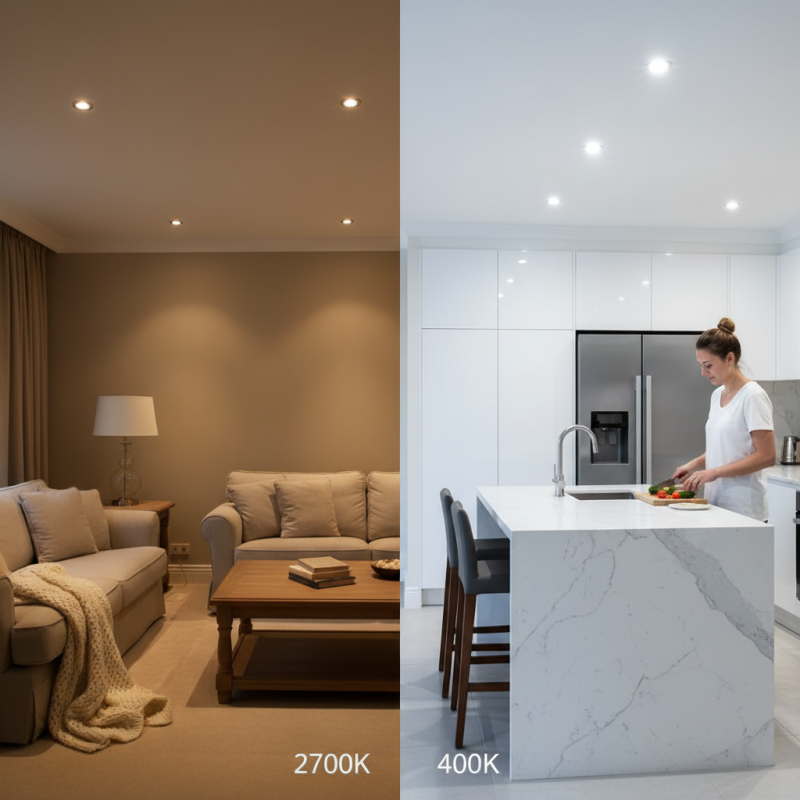
Different environments call for different color temperatures. Warmer tones create a cozy atmosphere, perfect for living rooms and bedrooms. Cooler tones, on the other hand, enhance clarity and focus, making them suitable for kitchens and workspaces. Many buyers overlook this detail, leading to an unsatisfactory lighting experience. It's worth taking the time to consider how color temperature affects mood and functionality.

Expert advice suggests choosing between 2700K and 3000K for warm situations, while 4000K to 5000K serves well in task-oriented areas. However, personal preference plays a significant role. Don't hesitate to experiment with different temperatures, as lighting can dramatically influence your perception of space. Reflect on how these choices resonate with your needs.
Best Color Temperature for Downlights Tips for Buyers?

Understanding Color Temperature and Its Importance for Downlights

Color temperature plays a crucial role in selecting downlights for any space. Measured in Kelvin (K), it impacts ambiance and functionality. For example, a cooler temperature around 5000K mimics daylight, enhancing focus in work areas. Conversely, warmer tones near 2700K create a cozy atmosphere, suitable for living rooms and bedrooms.

Understanding this, buyers should consider their environment. According to the Lighting Research Center, nearly 60% of end-users prefer lighting that enhances task performance. This means choosing the right color temperature directly affects productivity and mood.

When shopping for downlights, remember these tips: First, try different temperatures in the actual space before purchasing. Even slight variations can change the perception of a room. Second, be cautious of overexposure to cooler tones, which might cause fatigue over time. Lastly, consider layering your lighting. Use a mix of warm and cool lights to create depth and functionality. Balancing color temperatures can enhance both aesthetic and practical aspects.

Ultimately, finding the best color temperature involves experimentation and reflection. It requires adapting to personal taste while considering the functionality of the space. Embrace the learning curve in your lighting journey.

Best Color Temperature for Downlights Tips for Buyers

Color Temperature (Kelvin) Description Ideal Use Cases
2700K Warm White Living Rooms, Bedrooms, Restaurants
3000K Soft White Home Theaters, Accent Lighting
3500K Neutral White Kitchens, Offices, Retail Stores
4000K Cool White Workspaces, Garages, Basements
5000K Daylight Task Lighting, Workshops, Art Studios
6500K Bright White Display Areas, Clinics, Offices

Different Color Temperature Ranges and Their Effects on Ambiance

When selecting downlights, understanding color temperature is crucial. Color temperature, measured in Kelvin (K), influences the ambiance and functionality of a space. The primary ranges are warm white (2700K–3000K), neutral white (3500K–4100K), and cool white (5000K–6500K). Warm white creates a cozy, intimate environment. It is ideal for living rooms and bedrooms, promoting relaxation.

Neutral white balances comfort with vibrancy. It is well-suited for kitchens and work areas, enhancing focus without being too harsh. According to the Lighting Research Center, these temperatures can significantly affect moods and productivity levels. Interestingly, cool white offers a bright, alert atmosphere. It is often preferred in office settings or healthcare facilities, where clarity is essential.

It is important to realize that not all spaces require the same color temperature. Some individuals may find cool lighting too stimulating, leading to discomfort. Choosing the right hue can be subjective and influenced by personal preference. Experimentation with different temperatures may be necessary. Ultimately, understanding these ranges enables buyers to create spaces that reflect their desired mood while enhancing overall functionality.

Choosing the Right Color Temperature for Various Spaces

When selecting downlights for different spaces, color temperature is a crucial factor. It influences mood, visibility, and ambiance. Warmer tones, like 2700K to 3000K, work well in living rooms and bedrooms. These shades create a cozy and inviting atmosphere. They mimic traditional incandescent bulbs, promoting relaxation after a long day.

In contrast, cooler colors, such as 4000K to 5000K, are suitable for workspaces and kitchens. They enhance focus and productivity by providing bright, clear light. This temperature range helps reduce eye strain during extended tasks. However, some may find these colors too harsh for leisure areas. It's important to consider personal preferences when choosing.

Adjusting color temperatures can be challenging. Even slight variations can change a room's feel. Testing different shades before finalizing purchases is wise. Image how a room can transform with just a shift in the light spectrum. Remember that the ideal color temperature can also depend on wall colors and furniture tones. Balancing these elements can lead to a more harmonious space.

Tips for Selecting High-Quality Downlights Based on Color Temperature

When selecting high-quality downlights, color temperature plays a crucial role. The right temperature can enhance a space’s ambiance. Generally, color temperatures range from warm white (3000K) to cool white (5000K). Research indicates that most people prefer warm tones for residential areas. This temperature creates a cozy and inviting atmosphere. Surveys show that 80% of homeowners feel more relaxed in rooms with lower color temperatures.

Consider how color temperature affects moods and perceptions. For instance, warmer light promotes relaxation, ideal for bedrooms and living spaces. In contrast, cooler temperatures can boost focus. These are often suited for work environments like offices or study areas. A study found that 70% of workers reported improved productivity under cooler lighting.

Quality downlights should have a high Color Rendering Index (CRI) to accurately represent colors. A CRI of 90 or above is ideal for high-quality lighting. Look for downlights that provide dimming options as well. This allows flexibility in adjusting the atmosphere. Many users overlook this feature, which can significantly enhance usability. Buyers should also note that the quality of light can impact their overall experience. Thus, taking time to choose the right color temperature is essential for achieving the desired ambiance.

Common Mistakes to Avoid When Choosing Downlight Color Temperature

Selecting the right color temperature for downlights can be challenging. Many buyers mistakenly overlook the impact of warmth or coolness in their lighting choices. A common pitfall is assuming that brighter is always better. While higher lumens offer more light, the color temperature significantly influences mood and functionality.

Another frequent mistake is disregarding the space's purpose. For relaxing areas like bedrooms, warm tones (2700K-3000K) create a cozy atmosphere. Conversely, cooler tones (4000K-5000K) suit task areas such as kitchens and offices. This oversight can lead to discomfort. People often have to adjust their lighting after realizing it doesn’t match their needs.

It's essential to consider how color temperature interacts with your decor. A color that looks great in the store might clash in your home. Dimensional spaces can feel off if the temperature doesn’t harmonize with the furniture and wall colors. Remember, it’s not just about brightness or wattage. The right balance brings a space to life and fosters comfort. Consider testing different temperatures before committing.

FAQS

: What is color temperature?

: Color temperature is measured in Kelvin (K) and influences ambiance and functionality of lighting.

Why is color temperature important for downlights?

It affects mood and productivity. Cool tones enhance focus, while warm tones create comfort.

What are common color temperature ranges?

Common ranges include warm white (3000K) to cool white (5000K).

How can I choose the right color temperature?

Experiment with different temperatures in your space before making a purchase.

Can cooler tones cause any discomfort?

Yes, prolonged exposure to cooler tones may lead to fatigue over time.

What role does layering lighting play?

Mixing warm and cool lights creates depth and enhances overall functionality.

How does color temperature impact mood?

Warmer light promotes relaxation, while cooler light boosts focus and productivity.

What is the ideal Color Rendering Index (CRI)?

Aim for a CRI of 90 or above for accurate color representation.

Why is dimming an important feature in downlights?

Dimming options provide flexibility in adjusting atmosphere, enhancing usability significantly.

How should I approach selecting downlights?

Reflect on your personal taste and the functionality required for your space.

Conclusion

When considering downlights, understanding the concept of color temperature is crucial, as it significantly impacts the ambiance of a space. Color temperatures are measured in Kelvin (K), with lower values producing warmer, more inviting light, and higher values creating cooler, more energizing atmospheres. Different color temperature ranges, such as warm white (2700K-3000K), neutral white (3500K-4100K), and cool white (5000K-6500K), cater to varying uses and preferences in different environments.

When asking, "What is the best color temperature for downlights?" the answer depends on the specific function of the room. For instance, warmer tones are ideal for living spaces, whereas cooler tones work well in workspaces. To select high-quality downlights, one must consider the intended use and avoid common mistakes, such as opting for too high or too low color temperatures that may not suit the ambiance desired. In doing so, buyers can enhance their spaces effectively and create the perfect atmosphere.

Henry

Henry

Henry is a dedicated marketing professional with a profound expertise in the company's offerings. With years of experience in the industry, he possesses an impressive understanding of the market dynamics and consumer behaviors that drive success. Henry is committed to sharing his insights through......