When it comes to lighting your space, downlights are a popular choice. They provide a sleek, modern look that enhances aesthetic appeal. However, choosing the right downlight can be challenging. You might wonder, “How to choose the right downlight for my space?” Various factors should influence your decision.
Start by considering your room's purpose and layout. The brightness of the downlight should match its function. For example, a kitchen may require brighter lighting than a cozy living room. Think about the color temperature too. Warmer tones create a welcoming ambiance, while cooler tones can feel more energizing.
Next, reflect on the design and size. Larger downlights can dominate a small space, while tiny fixtures might go unnoticed in a vast area. It's essential to strike a balance that complements your décor. Remember, this process might take time. Don’t hesitate to try different options before committing. Finding the ideal downlight is about blending functionality with your personal taste.
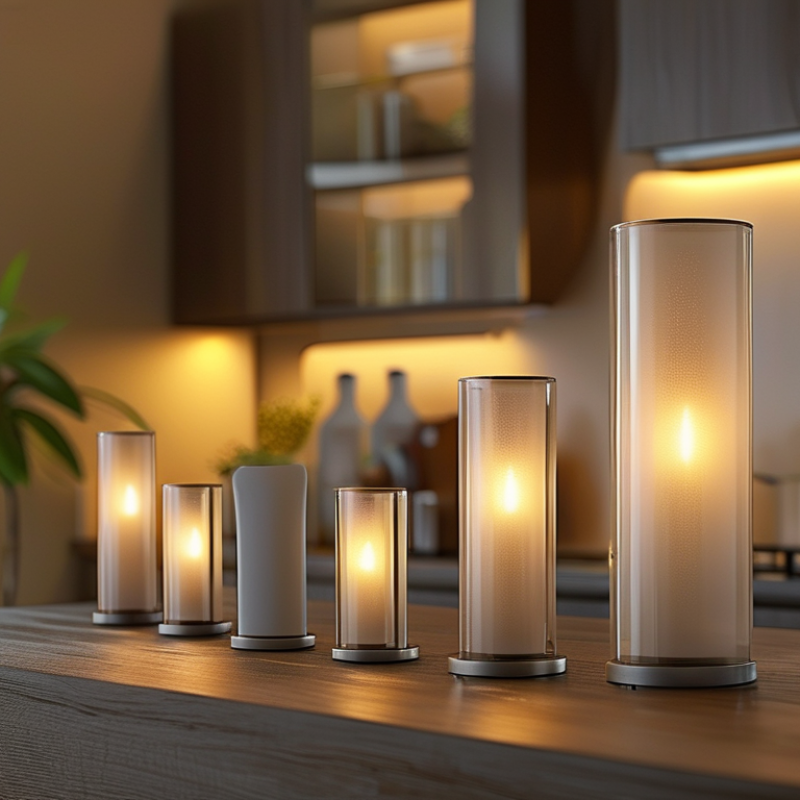
Choosing the right downlight involves understanding various types and their features.
Downlights come in several styles, including recessed, surface-mounted, and adjustable options.
Each type serves different purposes. For example, recessed downlights are popular for creating a
clean look. They fit neatly into ceilings and provide
subtle illumination.
Adjustable downlights allow you to direct light where needed. This is ideal for highlighting
artwork or specific areas in a room.
Surface-mounted fixtures, on the other hand, are easier to install and generally provide more light output.
Consider the lumens and color temperature as well—warm light creates a
cozy atmosphere, while cool light feels more energizing.
It's critical to consider your room's function. A bright kitchen needs different lighting than a relaxing
living room. Reflections and shadows can change the
overall feel. Experimenting with different types can lead to unexpected results. You might find a style that
suits your space better than initially expected. Remember that lighting is an art, and finding
the perfect downlight may require some trial and error.
When choosing downlights, assessing brightness and color temperature is crucial. Brightness, measured in lumens, should match your room's function. For a reading nook, aim for about 400 lumens. A kitchen may require brighter lighting, around 800 lumens.
Consider the color temperature, which affects mood and ambiance. Warmer tones (2700K-3000K) create a cozy feel, ideal for living areas. Cooler tones (4000K-5000K) are better for tasks like cooking. A thoughtful choice can significantly enhance the overall atmosphere of your space.
Tip: Test various options before finalizing. Lighting can look different based on surroundings. A fixture that seems perfect in the store might not perform as well in your home. Always reflect on how different setups affect the space. Adjusting brightness can sometimes require dimmer switches for flexibility.
When selecting downlights, energy efficiency and lifespan are crucial factors. According to the U.S. Department of Energy, LED downlights use at least 75% less energy than traditional incandescent lighting. This significant reduction not only lowers energy bills but also minimizes environmental impact. While LED options are initially pricier, they typically last over 25,000 hours. In contrast, traditional bulbs last about 1,000 hours, requiring frequent replacements.
Lifespan is another essential consideration. Longer-lasting lights reduce the frequency of replacements, which is advantageous for maintenance. A study from the Lighting Research Center noted that using LEDs instead of incandescent bulbs can save about $100 in energy costs over their lifetime. However, it’s essential to choose quality products, as not all LEDs are created equal. Cheaper options may not meet lifespan or efficiency claims, leading to frustration and additional costs down the road.
Remember, your choice affects not just your wallet but also your space’s ambiance. The right downlight should complement the design while offering energy savings. Keep in mind that while energy-efficient models are beneficial, they sometimes exhibit color inconsistency. This is an area worth considering to ensure your design vision is achieved. Balancing efficiency with aesthetics requires thoughtful selection.
Choosing the right downlight involves careful consideration of size and shape. The visual impact these fixtures create can greatly influence your space. According to industry data, appropriate sizing accounts for nearly 30% of lighting effectiveness. A downlight that is too small may fail to illuminate the area sufficiently, while an oversized fixture can overpower your design.
Consider the shape as well. Round downlights are popular, but square fixtures can provide a modern touch. Many designers prefer them when they want to achieve clean lines. It’s essential to ensure that the shape complements existing interior elements. Research indicates that spaces with cohesive design elements boost occupant satisfaction by about 20%.
Reflect on your room's proportions and features. High ceilings may need larger fixtures for adequate light distribution, while smaller rooms benefit from compact options. Aim for a harmonious balance between functionality and aesthetics. However, achieving this balance can be challenging. It may require testing different layouts and configurations until the right look is found. Consider the trial and error process as part of your creative journey.
Choosing the right downlight is crucial for any space. However, proper installation and maintenance are often overlooked. According to a report by the Illuminating Engineering Society, nearly 30% of lighting problems arise from improper installation. This statistic underscores the importance of involving professionals who understand the nuances of downlight installation.
Another aspect to consider is the long-term maintenance of downlights. A study from the LED Lighting Facts program highlights that poorly maintained lighting can decrease energy efficiency by up to 25%. Regular maintenance not only ensures optimal brightness but also extends the lifespan of your fixtures. This means less frequent replacements and more economical lighting solutions.
Additionally, different environments demand varied maintenance. For example, kitchen downlights need more frequent cleaning than those in living rooms due to grease and dust accumulation. It raises questions about your commitment to upkeep. In some cases, the true cost of affordable downlights can escalate due to ongoing maintenance challenges. Being well-informed can lead to better choices that serve your space effectively.
| Factor | Recommendation |
|---|---|
| Lighting Type | LED for energy efficiency |
| Wattage | Choose below 13 watts for basic areas |
| Color Temperature | Warm white (2700K-3000K) for cozy spaces |
| Dimming Capability | Consider for versatile lighting needs |
| Installation Type | Recessed for a clean look |
| Beam Angle | Narrow beam for focused lighting |
| New Technology | Smart features for automation |
| Maintenance | Opt for easy access for bulb changes |
: Energy efficiency and lifespan are crucial. Think about how long you'll use them and the costs involved.
LEDs use 75% less energy and last over 25,000 hours, whereas traditional bulbs last about 1,000 hours.
Longer lifespans reduce the frequency of replacements, saving time and money on maintenance.
Yes, cheaper LEDs may not meet efficiency claims and can lead to frustration and extra costs.
The right size influences effectiveness. A fixture too small won’t illuminate well, while one too large can dominate the space.
Round fixtures are common, but square options offer a modern look. Match the shape with your interior design elements.
Test different layouts and configurations. The trial and error process helps achieve your design vision.
While energy-efficient models are good, they can have color inconsistency. This affects your overall design.
Cohesive design boosts satisfaction by about 20%. Ensure downlights match your room's style for better harmony.
It can be challenging. Consider your room’s proportions and features, and be prepared for some trial and error.
When considering how to choose the right downlight for my space, it is essential to understand the various types available and their unique features. Different downlights come with varied functionalities, so assessing which aligns best with your specific needs is crucial. Additionally, brightness and color temperature play significant roles in creating the desired ambiance, making it important to evaluate these factors in relation to your space.
Moreover, energy efficiency and the lifespan of downlight options should be considered to ensure a sustainable choice. Size and shape are also vital in harmonizing with your interior design, while installation and maintenance factors should be carefully contemplated before making a purchase. By addressing these key elements, you can effectively select downlights that enhance both functionality and aesthetics in your environment.

Diva Lights