Maintaining downlights is essential for optimal lighting performance and longevity. Many homeowners overlook this vital aspect, leading to decreased efficiency and potential safety hazards. Understanding how to maintain downlights for long-term use can save time and money. Regular upkeep ensures that your lighting remains bright and effective.
To begin, cleaning downlights should be a priority. Dust and dirt accumulate and dim the light output. A simple wipe with a damp cloth can make a significant difference. Additionally, consider checking the fixtures for any loose components. This is often overlooked but crucial for ensuring safety.
It's important to assess the quality of the bulbs used in your downlights. Low-quality bulbs can burn out quickly and may not provide the best illumination. While it may seem tempting to purchase cheaper options, investing in reliable brands can enhance your lighting experience. Regular inspection and proactive measures can lead to improved performance and a safer environment.
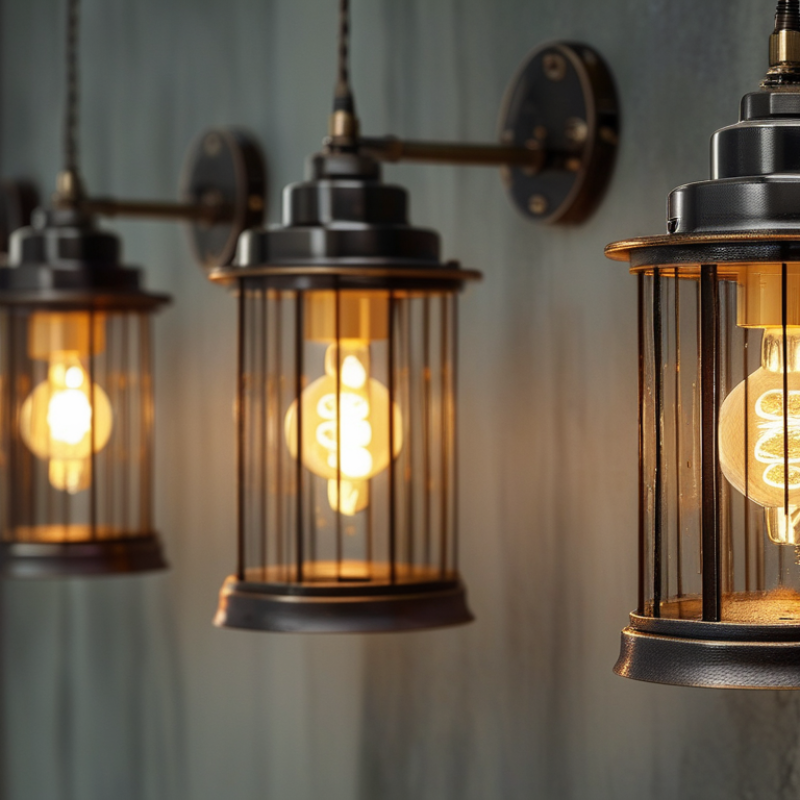
Essential Tools for Effective Downlight Maintenance
Maintaining downlights is essential for optimal lighting and aesthetics. Various tools can enhance this process. A good quality ladder allows safe access to high fixtures. This is crucial for effective maintenance. A voltage tester ensures fixtures are safe to handle. It's a simple tool that prevents electrical hazards.
Cleaning tools are equally important. A microfiber cloth helps remove dust and grime from downlight surfaces. Sometimes, fixtures may not be as bright due to accumulated dirt. A soft brush can assist in reaching tighter spaces. It might take extra time, but it’s worth the effort.
Don't forget safety gear. Gloves protect your hands from sharp edges. Safety glasses shield your eyes from debris. Overlooking these details can result in accidents. Regular checks on bulbs and wiring should also be prioritized. Ignoring small issues can lead to bigger problems. Each maintenance task contributes to the longevity of your lighting.
Understanding Different Types of Downlights and Their Needs
Understanding the different types of downlights is crucial for effective long-term maintenance. There are primarily three categories: halogen, LED, and fluorescent downlights. Each type has specific needs and maintenance requirements. According to a recent report by the Lighting Research Center, LED downlights are projected to dominate the market, accounting for 65% of all downlight sales by 2025 due to their energy efficiency and longevity.
Halogen downlights, while popular, face challenges. They require regular bulb replacements every few months. This creates ongoing maintenance demands. On the other hand, LED downlights can last over 25,000 hours, yet they can suffer from thermal management issues. Heat buildup may reduce their lifespan if not managed properly. This is something often overlooked during installations.
Fluorescent downlights also require attention. They have a shorter lifespan than LEDs but are still energy-efficient. Maintenance often involves replacing ballasts, which can be complex. Each type has its quirks, inviting user reflection on maintenance practices. Regular checks for dimming or flickering lights are vital for safety and effectiveness. Avoiding maintenance can lead to higher costs in the long run. Understanding these needs helps ensure optimal performance and longevity of your lighting fixtures.
Routine Cleaning Practices for Long-Lasting Downlight Performance
Proper maintenance of downlights ensures their longevity and optimal performance. One crucial step is routine cleaning. Dust and grease can accumulate over time, affecting light output. A microfiber cloth or a soft brush works wonderfully. Make sure to turn off the power before cleaning to ensure safety.
Inspect the fixtures regularly. Look for any signs of wear or damage. Pay attention to the bulbs as well. Sometimes, flickering lights indicate that it’s time for a change. Ensure proper connections are tight. Loose fixtures can lead to uneven lighting or even electrical issues.
Consider the environment where the downlights are installed. Kitchens can cause more buildup than other areas. Use a gentle cleaner and avoid harsh chemicals. Over time, neglecting maintenance can lead to bigger problems. It's important to reflect on your routine and adapt it as needed. Regular maintenance not only enhances performance but also prolongs the life of your downlights.
China Top 10 Tips for Long Term Downlight Maintenance
The bar chart above illustrates the top 10 tips for long term downlight maintenance, rated by their importance on a scale of 1 to 10. Regular dusting and replacing burned-out bulbs are crucial for performance, while other practices also contribute to the longevity of downlights.
Common Issues with Downlights and How to Troubleshoot Them
Downlights are popular for their sleek design and effective illumination. However, they can encounter common issues that require troubleshooting. One prevalent problem is flickering lights. This can be caused by poor connections, a faulty bulb, or incompatible dimmer switches. According to industry reports, about 30% of lighting complaints relate to flickering.
Another issue is overheating. Overheating can stem from poor ventilation, leading to reduced lifespan. To prevent this, ensure there is adequate airflow and consider using LED downlights, which produce less heat. Remember, regular checks can be vital.
Tip: Regularly inspect your downlights for dust accumulation. Clean them with a soft cloth to avoid overheating.
Additionally, dead bulbs can lead to frustrating outages. It's essential to check and replace non-functioning bulbs promptly. This not only improves aesthetics but also prevents further electrical complications. Make sure to use bulbs that match your downlight specifications.
Tip: Keep a few spare bulbs on hand for quick replacements. This ensures your lighting remains consistent and reliable.
Understanding these common issues will help maintain the effectiveness of your downlights and ensure a pleasant environment. Proper maintenance is key, as it can extend the lifespan of your lighting and enhance energy efficiency.
When to Replace Downlights: Signs of Wear and Tear
When it comes to downlight maintenance, recognizing the signs of wear and tear is crucial. One common indicator is flickering. If your downlights flicker intermittently, it may signal a failing bulb or issues with the wiring. Another sign is a noticeable dimming. As bulbs age, they often lose brightness. This could mean it's time to replace them.
Another sign to look for is discoloration. Over time, the lens or housing can yellow or smoke. This often indicates overheating or that the fixture is nearing the end of its life. Moreover, unusual noises can be a concern. If you hear buzzing or humming, it might point to electrical issues. Ignoring these signs can lead to further complications.
Regular inspections can help spot these issues early. Create a maintenance schedule that includes checking for any flickering, dimming, or discoloration. Note that while some downlights may last longer, most will require replacement every few years. Keep in mind that proactive care is better than reactive measures. Taking action now can prevent bigger problems later.
Conclusion
Proper maintenance of downlights is crucial for ensuring their longevity and efficient performance. To effectively execute "how to maintain downlights for long-term use," it is essential to have the right tools on hand and understand the various types of downlights and their unique maintenance needs. Regular cleaning practices can enhance the lifespan of these fixtures, preventing dust accumulation and ensuring optimal light output.
Additionally, being aware of common issues that may arise with downlights can help in promptly addressing any concerns. Users should familiarize themselves with signs of wear and tear to know when it's time to replace their downlights. By following these maintenance tips, one can ensure consistent performance and enjoyment from their lighting fixtures for years to come.

 Diva Lights