Choosing the right lighting is crucial for any space. One common dilemma is how to choose between warm and cool white downlights. According to a report by the Lighting Research Center, light color temperature plays a significant role in mood and functionality. Warm white (2700K-3000K) often creates a cozy atmosphere, ideal for living areas. In contrast, cool white (4000K-5000K) enhances concentration, making it suitable for workspaces.
Understanding your environment is key. For instance, kitchens benefit from cooler tones to enhance visibility. A recent survey found that 60% of homeowners prefer warm lighting in bedrooms but lean towards cooler tones in bathrooms. These preferences reflect how light influences our experiences in different settings.
However, choosing the right downlight can be challenging. Some people may initially overlook the impact of color temperature. This lack of consideration can lead to dissatisfaction with the overall ambiance. Evaluating your personal preferences and the function of each room can help create a more harmonious space. When considering how to choose between warm and cool white downlights, remember that the right choice significantly affects not just aesthetics but also usability.
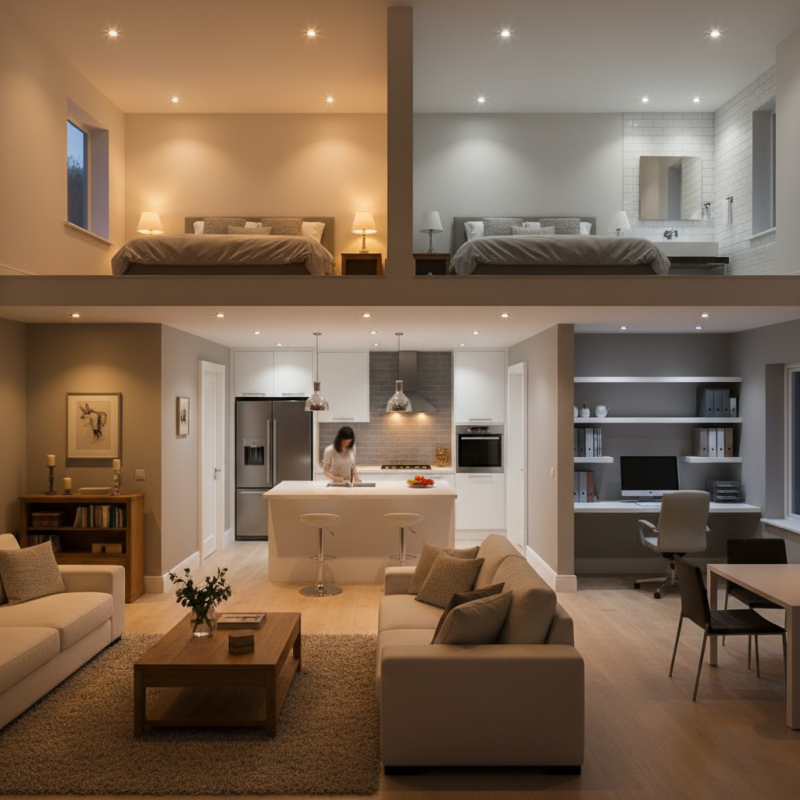
Understanding Warm and Cool White Downlights
When selecting downlights for your spaces, understanding warm and cool white tones is essential. Warm white lights typically create a cozy atmosphere. They range from 2700K to 3000K on the Kelvin scale. Use them in living rooms and bedrooms for a relaxed feel. In contrast, cool white lights, around 4000K to 5000K, give a more vibrant and energetic vibe. These lights are ideal for kitchens and workspaces, enhancing focus.
Think about how colors interact with lighting. Warm white can make a space feel intimate, while cool white can brighten up darker corners.How you choose may depend on your existing decor. Consider the room's function and mood you wish to create. Sometimes, experimenting with different temperatures can yield surprising results.
There might be issues with glare when using cool white lights, especially in smaller rooms. This can impact comfort. Warm white lights may not provide enough clarity for detailed tasks, leading to mistakes. Recognizing these potential downsides is essential in your decision-making process. The goal is to balance aesthetics with functionality, creating a space that feels good and works well.
The Importance of Color Temperature in Lighting
Color temperature plays a crucial role in setting the mood of any space. It influences how colors appear and impacts our emotions. Warm white light, generally around 2700K-3000K, creates a cozy atmosphere. It is ideal for living rooms and bedrooms, inviting relaxation. Cool white light, typically between 4000K-5000K, has a more energetic feel. This type is suitable for kitchens and workplaces, enhancing focus and productivity.
Choosing the right color temperature is not straightforward. Personal preferences vary widely. Some might find warm light too dim or soft. Others may perceive cool light as harsh and unwelcoming. Testing samples before making a decision is wise. Observe how different lights affect your space throughout the day. Natural sunlight changes color, shifting from warm to cool. You may prefer fixtures that mimic this effect.
It's essential to consider the purpose of each room. For a tranquil retreat, warm white lights may enhance comfort. In contrast, a bustling workspace may benefit from the clarity of cool light. Balancing these elements can be challenging. It requires thought and adjustments to find what feels right for you. Embrace the journey of discovery and be open to revisiting your choices.
Color Temperature Preferences for Downlights
How to Determine the Right Ambiance for Your Space
Choosing the right ambiance for your space relies on understanding how different lighting affects mood and functionality.
Studies show that 90% of people feel more comfortable in warm white light, which is often described as more inviting.
This type of light enhances cozy environments, making it perfect for living rooms or bedrooms. It tends to bring out the warmth in natural materials, like wood and textiles, creating a harmonious atmosphere.
Cool white light, however, has its place. Research indicates that this type of lighting can improve concentration by up to 30%. Such light mimics daylight, making it ideal for workspaces and kitchens.
It promotes alertness and boosts productivity. An excessive reliance on cool light can lead to a stark feel, which might not be suitable for relaxation areas.
It's essential to balance these two types of lighting to maintain a biologically influenced atmosphere.
Understanding these nuances may require adjustments. For instance, testing different downlights in your space can lead to surprising results.
Observing how your chosen light affects room dynamics can uncover areas needing refinement. While it's very easy to stick with one type of light,
integrating both warm and cool options may enhance the overall experience. This approach requires time and reflection, but the rewards can lead to a
perfect blend of comfort and functionality.
Factors to Consider When Selecting Downlights
Choosing the right white downlights for your space can significantly impact its atmosphere.
Warm white lights create a cozy environment, ideal for living rooms or bedrooms.
In contrast, cool white lights offer a modern, vibrant feel, making them suitable for kitchens or workspaces.
Understanding the color temperature in Kelvin is crucial.
Warmer lights range from 2700K to 3000K, while cooler lights typically range from 4000K to 5000K.
Another essential factor is the purpose of the lighting. Think about how each room will be used.
For relaxing areas, softer lighting enhances comfort. For task-oriented spaces, brighter, cooler lights improve visibility.
Take into account the size of the room as well. Larger spaces may require multiple light sources for balanced illumination.
Don’t overlook the effect of furniture and wall colors on your light choice. They can absorb or reflect light, influencing the overall ambiance.
Personal preference matters too. It's common to feel uncertain.
Consider experimenting with different light settings before finalizing your choice.
An area may have a distinct vibe with cool light but can also feel sterile without warm tones.
Trust your instincts and preferences. Lighting impacts mood and functionality in any space.
Installation Tips for Optimal Lighting Effects
When selecting downlights for your space, installation plays a crucial role. The right placement can enhance both aesthetics and functionality. Start by considering the room's purpose. For cozy areas like living rooms, positioning downlights further from seating can create a warm atmosphere. In kitchens, however, closer placement aids in task illumination.
Pay attention to ceiling height. Higher ceilings may require more powerful fixtures. Ensure the lights are installed at a suitable angle to minimize shadows. This may seem trivial, but poorly angled lights can lead to inconsistent lighting, causing eye strain. Incorporate a dimmer switch. This allows you to adjust the brightness for different moods and activities effortlessly.
Before finalizing, conduct a test run. It’s essential to understand how the colors of your walls and furniture interact with the light. Colors shift dramatically under different lighting. If the downlights appear too harsh, reconsider the color temperature. Sometimes, a little trial and error is needed to achieve that perfect balance of warmth or coolness.
How to Choose Warm or Cool White Downlights for Your Space? - Installation Tips for Optimal Lighting Effects
| Lighting Type |
Color Temperature (Kelvin) |
Best Use Cases |
Mood Effect |
Installation Tips |
| Warm White |
2700K - 3000K |
Living Rooms, Bedrooms, Restaurants |
Cozy, Inviting |
Use dimmers for adjustable ambiance; focus on soft lighting. |
| Cool White |
3500K - 4100K |
Kitchens, Workspaces, Offices |
Bright, Energetic |
Position lights for task-oriented areas and avoid glare. |
| Daylight White |
5000K - 6500K |
Bathrooms, Garages, Outdoors |
Refreshing, Alert |
Ensure proper weatherproofing for outdoor installations. |
FAQS
: Different lighting types can significantly influence mood. Warm white light creates comfort, while cool white light promotes alertness.
Warm white light is ideal for living rooms. It enhances coziness and highlights natural materials like wood and textiles.
Cool white light can improve concentration by up to 30%. It mimics daylight and boosts productivity in work areas.
Relying solely on one type can lead to discomfort. A balance of warm and cool light offers benefits for different activities.
Consider the color temperature and purpose. Softer light suits relaxation, while brighter, cooler light is better for tasks.
Room size impacts lighting needs. Larger spaces may require multiple sources to achieve balanced illumination and comfort.
Yes, wall and furniture colors absorb or reflect light. This can alter the overall ambiance of your space.
Yes, many people feel unsure. Experimenting with different settings can help clarify what feels right for your space.
Testing various downlights and observing their effects can lead to surprising results. This requires time and reflection.
The Kelvin scale measures color temperature. Warmer lights range from 2700K to 3000K, while cooler lights are between 4000K and 5000K.
Conclusion
When considering how to choose between warm and cool white downlights, it's essential to understand the concept of color temperature in lighting. Warm white downlights, typically around 2700K to 3000K, create a cozy and inviting atmosphere, making them ideal for living rooms and bedrooms. In contrast, cool white downlights, ranging from 4000K to 5000K, provide a bright and energizing environment, suitable for kitchens or workspaces.
Determining the right ambiance for your space involves assessing its purpose and the mood you wish to create. Factors such as room size, color schemes, and existing lighting should also influence your selection. Finally, following proper installation tips can enhance the performance of your downlights, ensuring optimal lighting effects while achieving your desired aesthetic.

 Diva Lights