How to Create an Effective Lighting Layout with Downlights?

Time:2026-06-24 Author:Oliver
0%

Creating an effective lighting layout with downlights is crucial in both residential and commercial spaces. According to the latest industry report by the International Association of Lighting Designers, over 75% of design professionals emphasize the importance of strategic downlight placement. Proper layout enhances aesthetics and functionality. It also increases safety and reduces energy costs significantly.

Expert designer Mark Thomas states, "Understanding how to design a lighting layout with downlights can transform any space." His insights reflect the growing trend in using downlights for versatility and efficiency. When strategically placed, downlights can highlight artwork, define spaces, and create ambience. However, many people overlook issues like glare and uneven light distribution. These pitfalls can occur with poorly planned layouts and can detract from the overall effect.

Flexibility is key in designing effective downlight layouts. Each project is unique, requiring tailored solutions. Reflecting on these challenges can lead to better decision-making. Through careful planning and consideration, achieving an ideal lighting environment can become a reality.
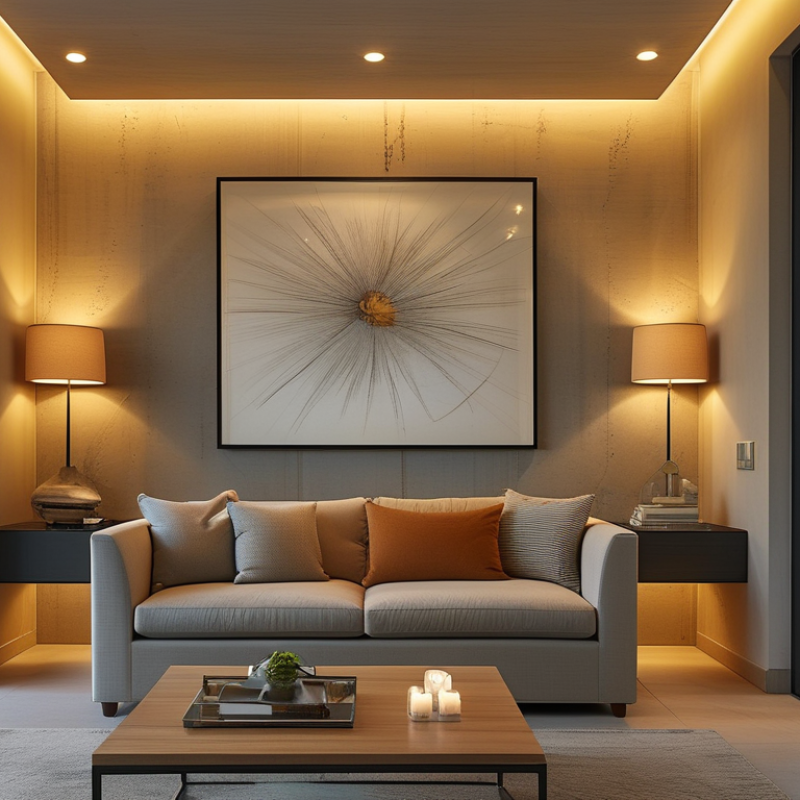
How to Create an Effective Lighting Layout with Downlights?

Understanding the Role of Downlights in Lighting Design

When it comes to lighting design, downlights play a crucial role. They provide direct illumination, enhancing spaces without overwhelming them. Their placement can drastically affect the room's atmosphere. Consider how downlights can create focus. For example, positioning them above key areas like artwork or workspaces emphasizes those elements.

Tips for positioning downlights: Aim for 3-4 feet apart and 18-24 inches away from walls. This setup avoids harsh shadows and creates a balanced ambiance. Also, consider dimmers. They allow flexibility in lighting intensity for different moods throughout the day.

Understanding how to install and use downlights can lead to flaws. Misalignment can produce uneven lighting. An improperly configured layout might result in harsh glare or dark spots. Regularly assess the lighting's effectiveness and adjust as needed. This adaptability ensures your lighting remains practical and aesthetically pleasing.

How to Create an Effective Lighting Layout with Downlights? - Understanding the Role of Downlights in Lighting Design

Room Type Downlight Type Lumen Output (lm) Color Temperature (K) Beam Angle (degrees) Installation Height (ft)
Living Room Recessed LED 800 3000 40 8
Kitchen Adjustable Spotlight 1000 4000 25 9
Bedroom Warm White Downlight 600 2700 60 10
Bathroom Surface Mount Downlight 500 3500 40 8

Key Considerations for Planning a Downlight Layout

When planning an effective downlight layout, several key factors need consideration. Firstly, the ceiling height significantly influences light distribution. A higher ceiling may require more powerful downlights to achieve adequate illumination. According to industry studies, using downlights with a lumen output of 800-1000 lumens is essential for spaces with ceilings over 10 feet. This ensures that light reaches all corners of the room without causing shadows.

Next, spacing between downlights is crucial. The general recommendation is to place them approximately 4 to 6 feet apart. However, this can vary depending on the fixture's beam angle and the room's purpose. For example, a narrow beam angle works well for highlighting artwork, while wider angles create a more even distribution in larger areas. A common pitfall is over-illuminating spaces, resulting in a harsh atmosphere. Adjusting the light output and using dimmers can help manage this.

Finally, selecting the right placement for downlights enhances functionality. Avoiding direct overhead lighting in seating areas can prevent discomfort. Consider placing downlights near walls or features to create depth. It's essential to think about the room's layout and how light interacts with furniture and décor. Proactive planning encourages a harmonious, inviting environment, yet it's common for designers to overlook these aspects, which may lead to less than optimal results. Balancing functionality and aesthetics remains a challenge in many design projects.

Determining Optimal Spacing and Placement for Downlights

Determining the optimal spacing and placement for downlights can significantly enhance the overall ambiance of a space. According to industry research, the standard spacing should range from 4 to 6 feet apart in most residential settings. This distance helps achieve uniform light distribution while minimizing shadows and dark spots. In larger rooms, the spacing may need to be adjusted based on ceiling height and functionality of the space. Consider using a light calculator tool for precise measurement.

Placement of downlights is equally important. They should be installed about 2 feet away from walls to avoid dramatic shadows. Aimed lighting can create focal points in a room, highlighting artwork or architectural features. However, placing lights too close can result in glaring effects. When designing your lighting layout, reflect on the room's purpose. A cozy living room may require softer, diffused light, while a kitchen may need more direct illumination.

Remember, achieving the perfect lighting is a balance. Too many downlights can create a harsh, sterile environment. On the other hand, too few lights may leave areas unnecessarily dim. Industry data suggests that around 75 lumens per square foot is ideal for general lighting in living areas. Regular evaluation of your lighting setup can lead to greater comfort and satisfaction in your space.

Choosing the Right Type and Brightness of Downlights

Choosing the right type and brightness of downlights can significantly impact your space. Consider the purpose of each room when selecting downlights. For instance, task lighting in kitchens needs brighter fixtures compared to cozy living areas. Aim for a range between 3000K and 4000K for most residential spaces. This temperature provides a warm and inviting atmosphere, while still being functional.

Brightness is measured in lumens. A typical living room may require around 1,000 to 2,000 lumens. In contrast, a home office might need up to 3,000 lumens for effective work. However, installing too many downlights can create an overly harsh environment. Take a moment to evaluate your layout. You may need fewer lights than you think.

Consider dimmable options to adjust the lighting according to your needs. This flexibility can enhance both functionality and mood. Remember to experiment with different placements. Light can behave unexpectedly, creating shadows that may not initially seem ideal. Don't hesitate to rethink the layout if something feels off. Finding the right balance between brightness and ambiance is a crucial part of the process.

Incorporating Dimmer Switches for Versatile Lighting Effects

Creating the right ambiance in your space can significantly enhance its overall attractiveness. Incorporating dimmer switches into your downlight layout is a powerful strategy. These switches allow you to adjust the brightness, catering to different moods and functions. When you have guests, a softer light creates a warm atmosphere. For tasks like reading or cooking, brighter light is essential.

Tips: Consider using dimmers with multiple settings. This flexibility will let you transition from a bright daytime setup to a cozy evening environment. Think about your space's color scheme. Warm light can highlight tones in your decor, while cool light can bring a modern feel.

Don’t overlook the placement of your downlights. Too close together can create harsh shadows; too far apart may leave dark areas. Experimentation is key. It’s okay to feel uncertain during your trial and error phase. A lighting layout should evolve as personal tastes change. Pay attention to what feels right. Adjust your approach as needed, ensuring your lighting remains both functional and stylish.

FAQS

: What is the role of downlights in lighting design?

: Downlights provide direct illumination, enhancing spaces without overwhelming them or creating discomfort.

How should downlights be positioned?

Position downlights about 3-4 feet apart and 18-24 inches from walls to avoid harsh shadows.

What lighting intensity should be used for high ceilings?

For ceilings over 10 feet, downlights with 800-1000 lumens are recommended for effective illumination.

Can dimmers be beneficial in downlight setups?

Yes, dimmers offer flexibility, allowing adjustments for different moods throughout the day.

What common issues arise from improper downlight installation?

Misalignment can cause uneven lighting, while poor layout may lead to dark spots and glare.

How far apart should downlights generally be placed?

They should be placed approximately 4 to 6 feet apart, depending on the beam angle and room purpose.

What is a common pitfall in lighting design?

Over-illuminating spaces can create a harsh atmosphere. Managing light output is essential.

How does room layout affect downlight placement?

The layout influences how light interacts with furniture and décor, essential for creating a balanced atmosphere.

Why is planning downlight placement important?

Thoughtful planning enhances functionality and avoids discomfort from direct overhead lighting in seating areas.

What challenges do designers face with downlighting?

Balancing functionality with aesthetics can be tricky, and overlooking details may lead to unsatisfactory results.

Conclusion

Creating an effective lighting layout with downlights involves a thoughtful approach to design. First, it is essential to understand the role of downlights in lighting design, as they can significantly enhance the ambiance and functionality of a space. When planning a downlight layout, key considerations include the room's purpose, ceiling height, and the overall aesthetic vision. Proper spacing and placement are crucial to ensure even light distribution and to avoid harsh shadows.

Choosing the right type and brightness of downlights plays a critical role in achieving the desired effect. Incorporating dimmer switches can further enhance versatility, allowing for various lighting moods depending on the occasion. In summary, learning how to design a lighting layout with downlights requires balancing technical specifications with creative intent, ensuring a well-lit and inviting environment.

Oliver

Oliver

Oliver is a seasoned marketing professional with a wealth of expertise in driving brand awareness and engagement. With a deep understanding of our company's product offerings, he consistently delivers high-quality content that enriches our professional blog. His insights not only shed light on......