What is the Difference Between Slim and Ultra Thin Downlights?

Time:2026-06-10 Author:Sophia
0%

Understanding lighting options is crucial for both residential and commercial spaces. When considering modern lighting solutions, many ask, "What is the difference between slim and ultra-thin downlights?" According to a report by the Lighting Research Center, downlights account for nearly 30% of residential lighting energy use. This highlights the importance of selecting the right type.

Expert John Smith, a noted lighting designer, emphasizes, "Slim and ultra-thin downlights cater to specific design needs and spaces." Slim downlights typically require slightly more depth for installation compared to their ultra-thin counterparts. Yet, ultra-thin models offer an advantage in tight spaces, making them increasingly popular.

A growing trend indicates that homeowners prefer eco-friendly lighting. Ultra-thin designs often use LEDs that consume 80% less energy than traditional bulbs, according to the U.S. Department of Energy. However, this shift also prompts a need for careful evaluation. Choosing the correct downlight requires balancing aesthetics and functionality in various environments.
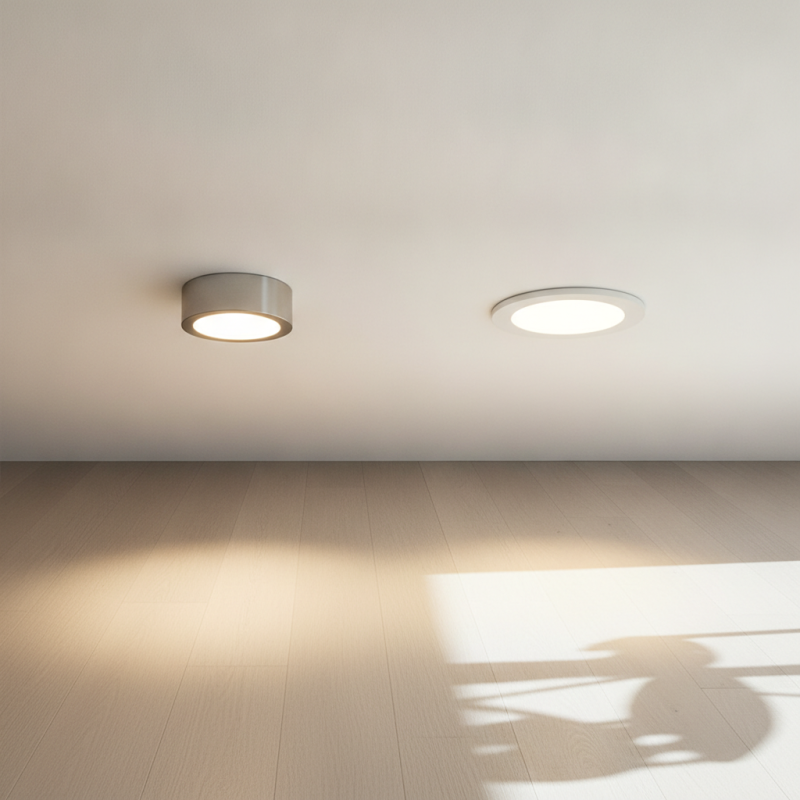
What is the Difference Between Slim and Ultra Thin Downlights?

Understanding Slim Downlights: Features and Applications

Slim downlights are an innovative lighting solution designed for modern spaces. Their low profile allows for easy installation in narrow ceilings. This makes them ideal for areas with limited space, such as corridors and small rooms. Slim downlights typically offer a sleek appearance, adding a contemporary touch to any décor.

These fixtures are energy-efficient and provide an even light distribution. They can be used in residential or commercial settings. Slim downlights are also versatile. They work well in kitchens, living rooms, and offices. However, not all spaces may benefit from them. The brightness may require adjustment in larger areas. Users sometimes find the installation process challenging, especially in existing ceilings.

One of the key features of slim downlights is the choice of color temperatures. Options vary from warm white to cool daylight. This allows for customization according to user preference and mood. Still, choosing the right color can be confusing. It’s important to test different shades before finalizing your selection. Proper planning is essential for achieving the desired lighting effect in any space.

Exploring Ultra Thin Downlights: Key Characteristics Explained

Ultra thin downlights are redefining space and innovation in lighting design. They provide sleek elegance while maintaining remarkable efficiency. According to a recent study from the National Association of Home Builders, these fixtures can reduce energy use by up to 70%. This kind of efficiency is essential in modern homes and business settings.

One key characteristic of ultra thin downlights is their depth. Typically, they are less than two inches thick, allowing for easy installation in tight spaces. They can fit seamlessly into ceilings where a traditional downlight may not. However, this design could lead to overheating if not properly ventilated, leading users to rethink placement and installation practices. Energy Star reports that improper installation can diminish the longevity of these fixtures, highlighting the importance of professional guidance.

Moreover, ultra thin downlights often feature advanced LED technology. This technology not only enhances brightness but also adjusts to different environments. A report by the Lighting Research Center shows that proper color temperature in lighting can impact mood and productivity. However, users must be cautious; choosing the wrong color temperature could lead to discomfort. Attention to detail during selection can create an optimal living or working space.

Comparative Analysis: Slim vs. Ultra Thin Downlights

When considering lighting for modern spaces, the choice between slim and ultra-thin downlights is vital. Slim downlights typically range from 1 to 3 inches in thickness. They provide solid illumination and come with a variety of options regarding color temperature. Many homeowners appreciate their ease of installation and energy efficiency. These lights are ideal for ceilings with minimal space.

Ultra-thin downlights, on the other hand, can be as thin as half an inch. Their sleek design allows for creative applications, even in tight places. They usually feature a low-profile frame that blends seamlessly into ceilings. However, their light distribution might not always be as powerful compared to slimmer counterparts. This can lead to uneven lighting in some situations.

Choosing can be tricky. The aesthetic appeal of ultra-thin fixtures is undeniable, but they may struggle in larger spaces. Slim downlights often provide better coverage. Evaluating the specific needs of your space is crucial. While both options have merits and drawbacks, understanding their fundamental differences will lead to a more informed choice.

Installation Considerations for Slim and Ultra Thin Downlights

When it comes to installing slim and ultra-thin downlights, several factors should be considered. Generally, slim downlights are designed to fit in shallow ceilings, with a thickness of about 3 inches. In contrast, ultra-thin downlights can be as thin as 1 inch. This difference in size not only affects design choices but also the installation process.

Proper wiring and space are critical during installation. Slim downlights require a bit more horizontal space, which may not be available in all ceiling types. Approximately 45% of homes have limited ceiling space due to insulation or ductwork. Ultra-thin models can be more flexible in these situations. They often need less clearance, making them favorable for retrofitting existing fixtures. However, this can pose challenges in heat dissipation. A study by the Lighting Research Center found that poor heat management can lead to reduced lifespan, impacting long-term reliability.

Installation can also vary depending on the type of ceiling material. In drywall ceilings, both types can be mounted using spring clips. Yet, some contractors report that ultra-thin options may require additional framing or shimming to ensure a level finish. This can prolong the installation time. According to industry data, installation times can increase by up to 25% for ultra-thin downlights due to these additional considerations. Thus, it's vital to weigh the pros and cons of each type based on your specific ceiling conditions.

Energy Efficiency and Brightness: A Side-by-Side Evaluation

When evaluating slim and ultra-thin downlights, energy efficiency and brightness are crucial factors. Both options enhance space aesthetics while ensuring effective illumination. According to the U.S. Department of Energy, LED lighting technology has improved energy efficiency by 75% compared to traditional incandescent bulbs. Slim downlights often have lower wattage. However, ultra-thin models can provide equivalent or even superior lumen output.

Brightness levels directly impact how spaces feel. Typically, slim downlights may emit between 800 to 1200 lumens. In contrast, ultra-thin models can offer up to 1600 lumens while consuming less electricity. A report from the Lighting Research Center indicates that design considerations play a vital role in achieving desired brightness without compromising energy savings. Both types of downlights need to be assessed based on specific use cases and room dimensions to ensure maximum efficiency.

Installation challenges can arise for both options. Slim models may require precise cutouts, while ultra-thin variants often demand proper insulation to prevent overheating. This often leads to reflection on installation techniques and practices. It’s essential to balance aesthetics with technical details to achieve the best outcome. Evaluating these factors helps guide choices that align with both energy-saving goals and performance expectations.

What is the Difference Between Slim and Ultra Thin Downlights? - Energy Efficiency and Brightness: A Side-by-Side Evaluation

Attribute Slim Downlights Ultra Thin Downlights
Height 1.5 inches 0.8 inches
Energy Efficiency Up to 80% Energy Savings Up to 85% Energy Savings
Brightness (Lumen Output) 800-1000 Lumens 600-800 Lumens
Body Material Aluminum Plastic/Aluminum Hybrid
Installation Style Recessed Surface Mount
Durability Moderate High

FAQS

: What are ultra thin downlights?

: Ultra thin downlights are sleek lighting fixtures under two inches thick, designed for modern spaces.

How do ultra thin downlights improve energy efficiency?

They can reduce energy use by up to 70%, making them efficient for homes and businesses.

What is a common installation challenge for ultra thin downlights?

These fixtures can overheat if not ventilated properly, which requires careful placement.

How does LED technology enhance ultra thin downlights?

LED technology improves brightness and allows for adjustments based on the environment.

What should be considered when choosing color temperature for lighting?

The right color temperature impacts mood and productivity; wrong choices can lead to discomfort.

What is the difference in thickness between slim and ultra thin downlights?

Slim downlights range from 1 to 3 inches, while ultra thin models can be as thin as half an inch.

Are slim downlights more effective for larger spaces?

Yes, slim downlights often provide better coverage in larger areas compared to ultra thin ones.

What is a concern with the brightness of ultra thin downlights?

They may provide uneven lighting, particularly in larger spaces due to their design.

Why is professional guidance important for installation?

Improper installation can reduce fixture longevity and effectiveness, making expert advice valuable.

What should be reflected upon when evaluating downlight choices?

Consider both aesthetics and technical details to ensure the best balance for your space’s needs.

Conclusion

In exploring the question, "What is the difference between slim and ultra-thin downlights?", it becomes clear that both types offer unique features suitable for various applications. Slim downlights are characterized by their moderate depth and versatility, making them ideal for standard ceiling installations. In contrast, ultra-thin downlights are designed for situations with very limited ceiling space, providing a sleek, unobtrusive appearance that complements contemporary interior designs.

A comparative analysis reveals differences in installation requirements and energy efficiency. While both types can deliver effective brightness, ultra-thin downlights often excel in energy conservation due to advanced LED technology. When deciding between the two, considerations such as the intended use, installation constraints, and desired aesthetic should guide the choice to ensure optimal lighting solutions for any space.

Sophia

Sophia

Sophia is a dedicated marketing professional with an exceptional depth of knowledge about her company's products and services. With a keen understanding of market trends and customer needs, she crafts insightful blog posts that not only inform but also engage readers, enriching the company’s online......