Lighting plays a crucial role in setting the mood for various environments. Understanding how to dim downlights for different atmospheres is essential for both residential and commercial spaces. A recent report from the International Energy Agency reveals that effective lighting can enhance comfort and productivity by 20%. Properly adjusted downlights can create intimacy in dining areas, focus in workspaces, or relaxation in living rooms.
However, many people overlook the impact of dimming options. A study by the American Lighting Association found that 67% of consumers use dimmers inconsistently. This inconsistency could lead to inadequate lighting, affecting the desired ambiance. Knowing how to dim downlights effectively can transform a space. It encourages intentional design that considers the effects of light intensity on feelings and functions.
Yet, achieving the perfect atmosphere requires continuous learning and adjustments. It's vital to stay informed about the technology and options available. Local regulations and standards may also guide the use of dimmers. As preferences and needs evolve, so should our approach to lighting. Embracing this knowledge ensures that we create environments that truly resonate with their purpose.
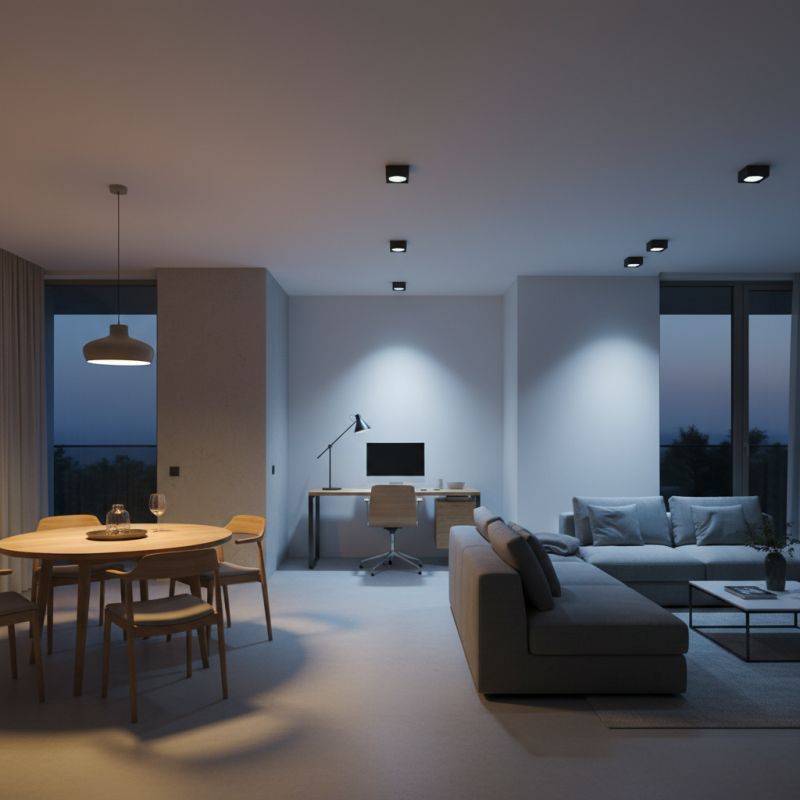
Dimming downlights plays a crucial role in setting the right atmosphere for any space. The light intensity influences mood and energy levels. For instance, a brighter setting can energize a room, while a softer glow fosters relaxation. Adjusting light levels helps create a welcoming environment during gatherings or intimate dinners. It may also enhance focus in workspaces when needed.
Understanding how to effectively dim downlights is essential. Without proper dimming, a room may feel too harsh or too dull. It's essential to consider the purpose of each area. Think about warm tones for a cozy feel or cooler tones for a modern vibe. The choice of dimmer switch is also vital. Some switches may not provide smooth transitions, leading to flickering or abrupt changes.
Implementing dimming strategies can be challenging. Not all fixtures respond well to dimming, and compatibility issues can arise. Homeowners may need to experiment with different settings. Adjusting to the right mood might take time. Reflecting on what works best for each space is key to mastering the art of ambiance. A well-lit room can significantly enhance daily activities, so the effort to find the perfect dimming balance is worthwhile.
Choosing the right dimmer switch for downlights is crucial for achieving your desired atmosphere. Not all dimmer switches are compatible with every type of downlight. Standard dimmers often struggle with LED downlights, causing flickering or reduced performance. Understanding which dimmer to use can enhance your lighting experience.
There are several types of dimmer switches available, including leading-edge and trailing-edge dimmers. Leading-edge dimmers are traditionally used with incandescent bulbs. They may not always work well with LED lights. Trailing-edge dimmers are more suitable for LED downlights. They provide smoother dimming and minimize flickering. It's essential to check the compatibility before installation to avoid frustration.
Some homeowners overlook the importance of wattage limits on dimmer switches. Exceeding this limit can lead to overheating and potential safety hazards. Testing dimmers in real-world settings is often necessary. This ensures that they meet the desired lighting effects. Find a balance between functionality and ambiance to reflect your stylistic preferences effectively.
Creating the right atmosphere with downlights requires understanding various techniques for dimming. Different settings demand different lighting levels. For a cozy living room, consider warm tones. Lowering the brightness can foster relaxation. Use a dimmer switch to adjust the light easily. You can also target specific areas, like a reading nook, with enhanced illumination.
In dining spaces, the ambiance should be inviting yet functional. Aim for a soft glow during meals, enhancing conversation without harsh glare. Avoid overly bright lighting that can create discomfort. Instead, experiment with different dimming levels to find the perfect mood. Remember, not all downlight designs work equally well with dimmers, so check compatibility.
In task-oriented areas, like kitchens, find a balance between brightness and softness. Too much dimming can hinder visibility for cooking. Try layered lighting with downlights and accent lights for versatility. Observe the effectiveness of your setup. Assess how often you need to adjust the dimming based on activities. Personalize your space, and don't hesitate to seek advice to refine your approach.
Adjusting downlight brightness can create the perfect atmosphere for various activities and moods. For a cozy movie night, aim for soft, warm tones. Dimming the lights to about 30% allows for comfort while maintaining visibility. You can add some colored lighting to enhance the cinematic experience. Soft shadows create an inviting space and add an element of relaxation.
In a workspace, bright lighting is essential for focus. Opt for around 70% brightness to maintain energy without straining the eyes. Position downlights to minimize glare on screens. Experiment with the layout to find the most effective arrangement. An underwhelming setup might disrupt productivity. It’s important to adjust and test until you find the ideal combination.
For dining experiences, the mood shifts again. Lower the brightness to around 50%. This creates a warm and intimate setting. Consider layering light with candles to enhance the atmosphere further. However, be mindful of potential reflections that can distract from the conversation. Getting the balance right may take some time. Adjust and observe how each change impacts the mood.
Dimming downlights can significantly enhance ambiance, but preserving energy efficiency is crucial. A report from the U.S. Department of Energy states that using dimmers with LED lighting can produce energy savings of up to 40%. Effective dimming allows for adjusting brightness without sacrificing power.
To maintain energy efficiency while dimming downlights, consider the following tips. Use LED dimmable bulbs, which consume less power even at lower brightness. Dimmed lights not only save energy but also extend the lifespan of the bulbs. Ensure your dimmers are compatible with the bulbs to maximize efficiency.
Adjusting downlights thoughtfully can create a cozy environment. However, poorly designed dimming solutions can lead to flickering and a shorter lifespan for your lighting system. Regular maintenance checks can prevent these issues and ensure optimal performance. Aim for a balance between functionality and comfort; sometimes less is more in lighting design.
| Dimming Level | Lumens Output | Recommended Atmosphere | Energy Efficiency (%) |
|---|---|---|---|
| 100% | 800 Lumens | Bright & Alert (Work Area) | 100% |
| 75% | 600 Lumens | Balanced (Living Room) | 90% |
| 50% | 400 Lumens | Cozy & Relaxed (Bedroom) | 80% |
| 25% | 200 Lumens | Romantic (Dining Area) | 70% |
| 10% | 80 Lumens | Atmospheric (Home Theater) | 60% |
: Dimming downlights affects mood and energy. Brighter settings energize, while softer lights create relaxation.
Light intensity directly impacts how we feel. Bright lights can uplift, while dim lights can calm.
Think about the room's purpose. Warm tones fit cozy areas; cooler tones suit modern spaces.
Not all fixture types respond well to dimming. Compatibility issues might occur, requiring testing.
Use warm tones for living spaces. For dining, opt for soft glows that invite conversation.
Bright lighting helps maintain focus. Aim for around 70% brightness to avoid eye strain.
Yes, finding the right balance is a process. Experiment and reflect on what feels best.
Dimming to 30% with warm tones creates comfort while allowing visibility for enjoyment.
Lower brightness to 50%. Layer with candles to create intimacy but watch for distracting reflections.
Yes, it's common to face challenges. Keep adjusting and observe changes to refine your approach.
This article explores how to dim downlights for different atmospheres effectively, emphasizing their importance in setting the mood for various environments. It begins by discussing the significance of dimming downlights, highlighting how proper lighting can transform a space and enhance the overall ambiance. The article then outlines the types of dimmer switches available, along with their compatibility with different downlight fixtures, ensuring users can choose the right options for their needs.
Additionally, practical techniques for dimming downlights are provided, offering tips tailored to different settings and activities. Readers will learn how to adjust downlight brightness to match specific moods, whether for relaxation, productivity, or entertainment. Lastly, the article addresses the importance of maintaining energy efficiency while dimming downlights, ensuring that users can enjoy both a pleasant atmosphere and reduced energy consumption. Overall, this comprehensive guide equips readers with the knowledge they need to effectively manage lighting for any situation.

Diva Lights