Downlights are essential in modern lighting design, but safety must come first. A crucial aspect of their design is waterproofing. "Why do downlights need waterproof features?" This question resonates throughout the industry, particularly in environments prone to moisture. According to a recent report from the Lighting Industry Association, nearly 30% of lighting failures are caused by water damage.
Expert John Smith emphasizes this necessity: "Waterproof features are not just optional; they are vital for safety and longevity." In damp areas like bathrooms or kitchens, downlights face exposure to humidity. This can lead to short-circuits or electrical hazards. Without waterproofing, the risk of damage increases significantly, leading to elevated safety concerns.
Many manufacturers now focus on providing water-resistant models. However, there are still gaps in standards across the market. A comprehensive understanding of waterproof ratings can help consumers choose safer options. Reflecting on these factors, we realize the lighting industry's responsibility to prioritize waterproofing. The importance of these features cannot be overstated, especially when safety is at stake.
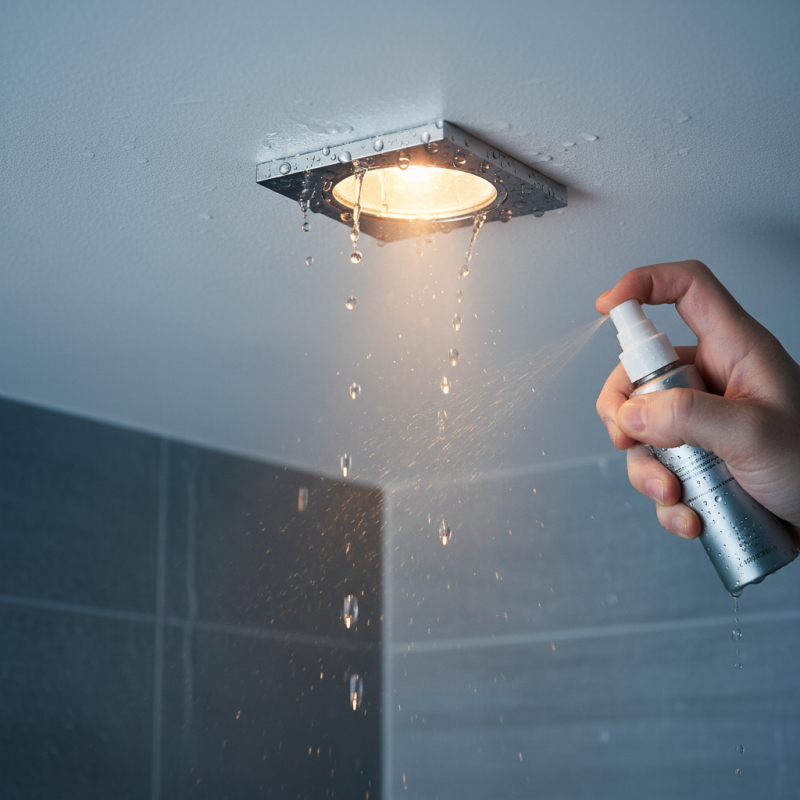
Understanding downlights involves recognizing their unique applications in various environments. These sleek fixtures are commonly found in homes, offices, and commercial spaces. They provide focused light, making them ideal for areas needing bright, concentrated illumination. Examples include kitchens, hallways, and retail spaces. Their minimalist design offers aesthetic appeal while maintaining functionality.
However, not all downlights are suitable for every environment. In places with high moisture, such as bathrooms or outdoor patios, waterproof features are essential. Without this protection, lights can be damaged by humidity. This can lead to malfunction or even safety hazards. Users often overlook these features, assuming all downlights are the same. Investing in properly rated downlights ensures durability and safety.
Additionally, the need for waterproofing raises questions about installation. Improperly installed downlights can lead to leaks or electrical issues. It's crucial to follow guidelines when placing these fixtures. Many people may not realize that quality matters. Cheaper options may lack necessary features. This can result in poor performance or increased maintenance costs. A thoughtful selection process is essential for achieving desired results.
| Feature | Description | Importance |
|---|---|---|
| Waterproof Rating | Indicates the level of water resistance; common ratings include IP65, IP67. | Critical for installation in wet areas to prevent electrical hazards. |
| Material Quality | Constructed from corrosion-resistant materials such as aluminum or high-grade plastics. | Ensures longevity and maintains safety in humid environments. |
| Seal Design | Features gaskets or seals to block out moisture and debris. | Prevents short circuits and electrical failures due to water ingress. |
| Installation Area | Suitable for bathrooms, kitchens, and outdoor spaces. | Enhances safety and compliance with building regulations. |
| Energy Efficiency | Utilizes LED technology to minimize energy consumption. | Reduces electrical load and enhances safety by lowering heat output. |
: Downlights provide focused light for spaces needing bright illumination. They are common in homes and offices.
No, not all downlights are waterproof. Choosing suitable models is vital for areas like bathrooms and outdoor patios.
They can cause electrical malfunctions, short circuits, or even fires in humid areas. Safety hazards are a real concern.
Look for the IP rating on the packaging. An IP65 rating indicates good water resistance.
Improper installation can cause leaks or electrical issues. Following guidelines ensures safety and effectiveness.
Regular inspections for wear or moisture damage are crucial. This can prevent costly repairs and enhance safety.
Quality matters a lot. Cheaper options may lack features, leading to poor performance and higher maintenance costs.
If unsure about safety standards or installation, it’s best to hire professionals. This can ensure effective and safe usage.
Downlights are popular lighting fixtures used in various applications, but a key concern is their susceptibility to moisture. "Why do downlights need waterproof features" stems from the critical need for safety and functionality in environments prone to water exposure. Waterproofing in electrical fixtures prevents short circuits and potential hazards associated with electrical fires, making it essential for both residential and commercial spaces.
Failure to utilize waterproof downlights can lead to severe risks, including electric shocks and equipment failure. Adhering to existing standards and regulations is crucial to ensure that downlights are appropriately designed for their intended environments. Regular maintenance also plays a vital role in ensuring the ongoing safe operation of downlights, emphasizing the importance of waterproof features in protecting both users and property.

 Diva Lights