What Factors Affect Downlight Brightness in 2026 Best Choices?

Time:2026-07-14 Author:Henry
0%

The lighting industry is evolving rapidly. In 2026, the demand for efficient downlights is expected to soar. According to a report by the International Energy Agency, lighting accounts for about 15% of global energy usage. Understanding what factors affect the brightness of downlights is essential for maximizing both energy efficiency and user experience.

Several key factors influence downlight brightness. The type of LED chip used plays a critical role in light output. Higher quality chips provide better lumen ratings. Additionally, the design of the downlight fixture affects how light is distributed. A well-engineered reflector can significantly enhance brightness uniformity. Color temperature also impacts perceived brightness. Warmer tones may feel less bright, even if lumen output is similar.

Industry experts warn that not all products are created equal. Some manufacturers may cut corners, leading to subpar performance. It’s important for consumers to research and choose reputable brands. Ultimately, knowledge of what factors affect the brightness of downlights ensures better lighting solutions for homes and businesses alike.
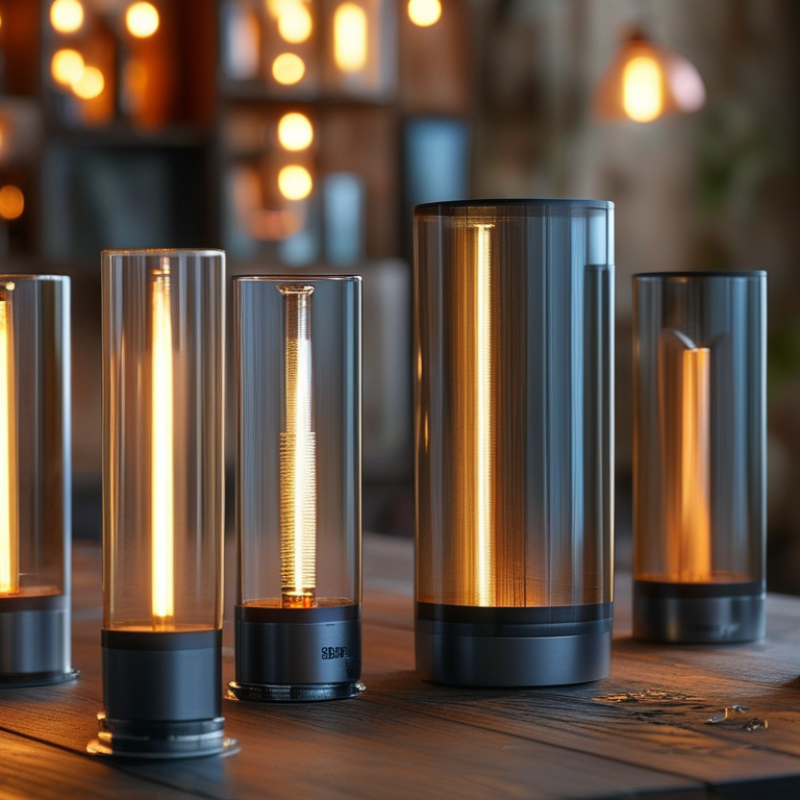
What Factors Affect Downlight Brightness in 2026 Best Choices?

Factors Influencing Downlight Brightness in Modern Lighting Design

Downlight brightness is an essential aspect of modern lighting design. Many factors influence this crucial element. The type of bulb used significantly impacts brightness. LED bulbs generally offer higher lumens for less energy. Additionally, color temperature can change the perception of brightness. Cooler temperatures may seem brighter, affecting a room's ambiance.

Another influencing factor is the downlight's placement. Proper positioning can enhance light distribution. Poor positioning may lead to uneven lighting. The shape and size of the downlight fixtures also play a role. Larger fixtures often provide more light, but they can overwhelm small spaces.

**Tips:** Consider the ceiling height when installing downlights. High ceilings may require powerful fixtures to achieve desired brightness. Regularly assess the lighting setup, as dimming issues may indicate bulb aging. Test the color temperature. Choose wisely, as this can affect mood and productivity.

Understanding Lumens: The Key Measurement for Downlight Brightness

When choosing downlights, understanding lumens is crucial. Lumens measure the brightness of light emitted by a fixture. A higher lumen count means a brighter light. However, more lumens do not always translate to better lighting. It’s essential to consider the space you are illuminating.


For instance, a smaller room may require fewer lumens for adequate lighting. In larger spaces, you might need more lumens to achieve the same brightness. Aim for a balance. Aim for warm lighting in cozy areas and brighter, cooler light in workspaces.


Tips: Consider dimmable options for versatility. This feature lets you adjust brightness based on your needs. Check the color temperature as well. Cooler tones can enhance focus, while warmer tones create a welcoming atmosphere.


Always reflect on your choices. A fixture may provide high lumens but lack in style or efficiency. Assess your priorities when selecting downlights. Brightness is important, but it should harmonize with the overall design of your space.

The Role of LED Technology in Enhancing Downlight Brightness

LED technology is revolutionizing downlight brightness. In 2022, approximately 70% of new installations in commercial spaces utilized LED downlights, according to the Lighting Research Center. This shift reflects the significant advancements in LED efficiency and lumens per watt, now reaching up to 200 lumens per watt in some models. Such improvements play a key role in enhancing brightness while reducing energy consumption.

The ability of LED lights to emit a focused beam contributes to their effectiveness. They can provide targeted illumination without excess glare, making them ideal for various applications. Research indicates that proper optical design in LED fixtures can increase perceived brightness by up to 30%. However, there’s a need to address thermal management, as poor heat dissipation can lead to brightness fluctuations.

While LEDs have made strides, challenges remain. Users often report inconsistent light quality and color consistency across different environments. More research is needed to standardize manufacturing processes. Ensuring that brightness levels meet varying user expectations is essential, particularly in settings like retail or hospitality, where ambiance is key. Understanding these nuances is crucial for achieving optimal downlight performance in 2026 and beyond.

Impact of Reflector Design on Downlight Light Distribution and Brightness

Reflector design plays a pivotal role in downlight brightness and light distribution. According to the Illuminating Engineering Society, the angle and shape of a reflector can significantly influence how light is dispersed in a space. A well-designed reflector can enhance brightness while reducing glare. Research indicates that a 30-degree reflector can improve luminous intensity by up to 45%, affecting how spaces are visually experienced.

The materials used in reflector construction also impact efficiency. High-albedo materials can reflect up to 98% of light, optimizing overall brightness. However, quality control is necessary. A poorly finished reflector may scatter light unevenly, creating dark spots. This inconsistency can compromise the effectiveness of downlights, leading to user frustration. Experts recommend testing various designs under real-world conditions.

Consumer preferences are changing. There is an increasing interest in dimmable and adjustable fixtures. This trend raises new questions about reflector capabilities. Can reflectors maintain quality across a range of outputs? Industry data show that the right reflector design can stabilize brightness levels effectively, but not all products implement these principles thoroughly. As technology advances, the importance of continuous innovation in reflector design cannot be overstated.

What Factors Affect Downlight Brightness in 2026 Best Choices?

Reflector Design Type Light Distribution Pattern Luminous Efficacy (lm/W) Beam Angle (degrees) Brightness (Lumens) Application Suitability
Conical Reflector Narrow Spot 85 15 700 Showrooms, Art Galleries
Parabolic Reflector Medium Flood 90 30 800 Retail Spaces, Offices
Reflector with Diffuser Wide Flood 80 50 600 Residential, Hospitality
Adjustable Reflector Varied Angle 75 25 750 Theaters, Conference Rooms

Considerations for Dimming Features and Their Effect on Brightness Levels

Dimming features play a crucial role in downlight brightness. They offer flexibility in adjusting light levels for various settings. Users can create softer lighting for intimate gatherings or brighter environments for tasks. This adaptability enhances the functionality of spaces.

When choosing dimming options, consider the technology used. Different dimmers impact brightness levels in distinct ways. Some types may lead to flickering or inconsistent brightness when adjusted down. It's essential to ensure the dimmer matches the downlight type for optimal performance.

Personal preference also shapes the experience. Some people prefer a warm, ambient glow. Others might seek a stark, bright light. This subjective nature means there is no one-size-fits-all solution. Testing different settings can guide users in finding their ideal lighting ambiance. The journey to the perfect downlight brightness continues as technology evolves.

FAQS

: What are lumens in relation to downlights?

: Lumens measure the brightness of light emitted by a fixture. More lumens mean a brighter light.

Do more lumens always result in better lighting?

Not necessarily. Consider the size of the space you are lighting for optimal brightness.

How do I decide on the right lumen count for my room?

Smaller rooms may need fewer lumens, while larger areas typically require more for adequate lighting.

What is the effect of color temperature on lighting?

Cooler tones enhance focus, while warmer tones create a cozy and welcoming atmosphere.

Why is reflector design important in downlights?

Reflector design affects brightness and light distribution. A good design can reduce glare and enhance light effectiveness.

How do materials in reflectors impact efficiency?

High-albedo materials reflect more light, increasing brightness. Poor finishes can cause dark spots, leading to frustration.

What challenges come with dimming features in downlights?

Dimming can cause flickering or inconsistent brightness if the dimmer doesn’t match the downlight type.

How can personal preference affect downlight brightness?

Some prefer warm light, while others like bright light. Finding the right balance is subjective and may require testing.

What should I consider when choosing a dimmable option?

Look for technology that offers smooth adjustments in brightness, avoiding flickering effects.

Is it important to assess both brightness and style in downlights?

Yes, while brightness matters, it should also harmonize with your overall space design. Aim for a well-rounded choice.

Conclusion

The article titled "What Factors Affect Downlight Brightness in 2026 Best Choices?" explores various elements that determine the brightness of downlights in modern lighting design. It emphasizes the importance of understanding lumens, which is the primary measurement for assessing downlight brightness. Additionally, it highlights how advancements in LED technology play a crucial role in enhancing brightness, offering improved efficiency and light quality.

Furthermore, the article examines the impact of reflector design on light distribution, which significantly influences perceived brightness. Dimming features are also discussed, outlining how they affect brightness levels and user experience. Overall, the exploration of these factors provides a comprehensive understanding of what factors affect the brightness of downlights, aiding consumers in making informed choices for their lighting needs.

Henry

Henry

Henry is a dedicated marketing professional with a profound expertise in the company's offerings. With years of experience in the industry, he possesses an impressive understanding of the market dynamics and consumer behaviors that drive success. Henry is committed to sharing his insights through......