In the realm of lighting design, understanding what factors affect the brightness of downlights is essential for creating effective spaces. Renowned lighting expert Dr. Sarah Brightman emphasizes, "The quality of light can transform an environment." This transformation heavily relies on several key factors.
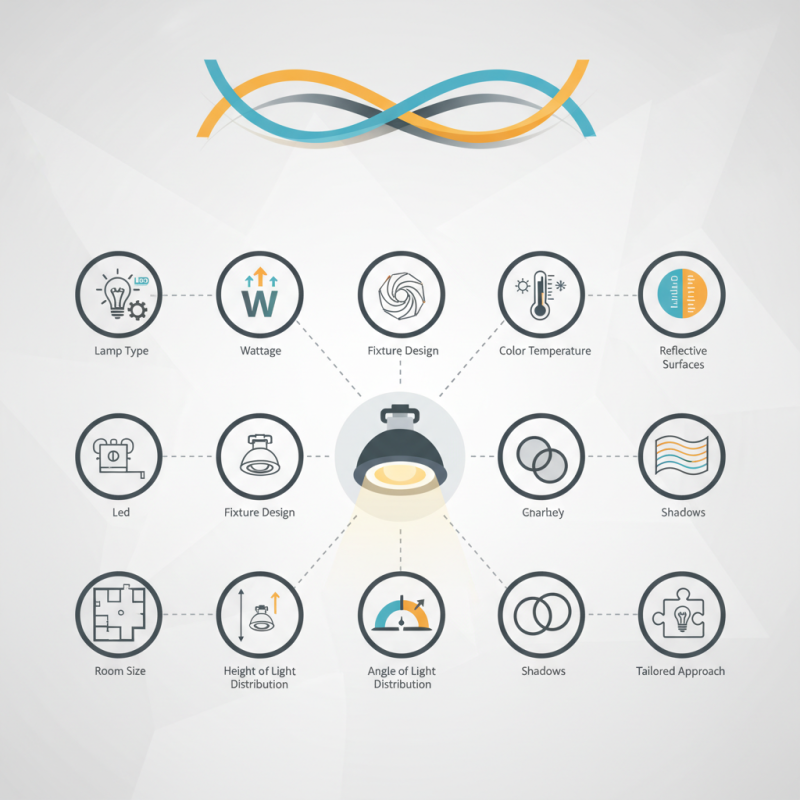
Downlight brightness hinges on lamp type, wattage, and the design of the fixture. The choice between LED, halogen, or incandescent not only impacts brightness but also energy efficiency. Additionally, the color temperature significantly affects our perception of brightness. A warmer light may appear dimmer than a cooler one, despite having the same lumen output.
Reflective surfaces, room size, and the height of fixtures also play crucial roles. Often overlooked, the angle of light distribution can create shadows that influence perceived illumination. With so many variables, it becomes clear that achieving desired brightness is not straightforward. Each space requires a tailored approach, which can lead to both successes and challenges in lighting design.
Light Source Type and Its Impact on Brightness
The type of light source significantly impacts downlight brightness. Common options include LED, halogen, and fluorescent lighting. According to the U.S. Department of Energy, LED lights can provide up to 100 lumens per watt, making them exceptionally efficient. Halogen bulbs offer bright light but consume more energy, producing only about 16 lumens per watt. When selecting a light source, consider its brightness output, color temperature, and energy efficiency.
When choosing downlights, think about where they will be placed. For task lighting, a brighter, cooler light is often preferable. For ambience, warmer tones can create a cozy feel. It's also crucial to consider the dimming capabilities of the light source. Dimmable LEDs can offer flexibility but may require compatible dimmer switches.
Tip: Always check the lumens rating when purchasing bulbs. Higher lumens equal brighter light. It's a simple metric that often gets overlooked. Also, ensure you balance brightness with energy consumption for a sustainable lighting solution. Make adjustments based on your space’s specific needs.
Wattage and Energy Efficiency in Downlight Fixtures
Wattage plays a crucial role in determining the brightness of downlight fixtures.
Higher wattage often means more light output, but not always. Energy-efficient LED options can provide the same brightness at lower wattages.
This efficiency saves energy and reduces electricity bills. Many people overlook wattage when selecting downlights, leading to unsatisfactory results.
When purchasing downlights, consider lumens per watt as a measure of brightness.
A high lumen count with lower wattage indicates better energy efficiency. Not all fixtures are created equal;
some can be bright while consuming less energy. Tips include comparing products and asking for specifications.
Don’t hesitate to inquire about the warm-up time for certain fixtures.
Some LEDs take a moment to reach full brightness. This delay can be frustrating. Also, assess how the light interacts with your space.
The color temperature can affect perceived brightness. When selecting the right downlight, remember that the design and placement of fixtures matter too.
Taking the time to choose properly can enhance your home’s atmosphere significantly.
Lens Design and Beam Angle Considerations
When considering downlight brightness, lens design plays a crucial role. A well-designed lens influences how light is distributed. This affects both intensity and coverage in a room.
Optics can either concentrate light into a narrow beam or diffuse it across a wider area. Each design has distinct benefits and drawbacks. A narrow beam can create a focused effect, enhancing certain areas, such as artwork or architectural details.
Beam angle is another factor that dictates brightness. A smaller beam angle produces intense light but may create harsh shadows. Conversely, a wider beam angle results in softer lighting that may seem less bright. The choice of beam angle should align with the intended atmosphere.
Overly bright lights can overwhelm a space. Underwhelming lights might fail to highlight important areas effectively.
Designers frequently need to strike a balance. They must consider both functional and aesthetic needs. Sometimes, experimenting with different angles and lens types can lead to unexpected results. This exploration can reveal unique solutions that enhance both form and function.
Challenges arise when attempting to achieve uniform brightness across larger spaces. Understanding these complexities is essential for creating the ideal lighting environment.
Dimming Capability and Its Effect on Perceived Brightness
Dimming capability plays a crucial role in how we perceive brightness in downlights. When we adjust the brightness, our eyes perceive the light differently. A downlight with good dimming capabilities can create varying atmospheres. On the other hand, poor dimming performance may lead to harsh lighting or undesirable shadows. This can detract from the desired ambiance of a space.
The method of dimming also influences different environments. For example, in a dining area, soft illumination can enhance the dining experience. A smooth dimming transition is vital here. In contrast, an office setting may require more consistent brightness. It’s essential to note that not all dimming methods deliver the same results. Some may flicker, which can be distracting and cause eye strain.
Moreover, user preferences vary widely. Some may prefer brighter settings, while others enjoy softer lights. The interplay between dimming capability and perceived brightness can sometimes leave room for personal reflection. Questioning our preferences might help us find the ideal lighting solutions. Being attentive to these details informs better choices for effective lighting design.
Top 10 Factors That Affect Downlight Brightness
Ambient Lighting Conditions and Their Role in Downlight Performance
Ambient lighting conditions significantly influence downlight performance. Factors such as room size, color, and existing light sources can alter perceived brightness. A report from the Illuminating Engineering Society noted that ambient light affects the luminance of downlights by up to 50%. In brighter environments, downlights may appear less intense, while dim surroundings can make them seem more vibrant and efficient.
To maximize downlight effectiveness, consider the color temperature of your ambient light. Warmer hues generally increase the cozy feeling of a space, while cooler tones may contribute to a more energetic atmosphere. Using dimmers can help adjust brightness based on the desired mood. Data suggests that spaces with adjustable lighting are 30% more versatile than those with fixed settings.
It's essential to reflect on your lighting needs. Assess how the interplay of ambient light and downlight affects your daily activities. Spaces that lack consideration for light dynamics can lead to discomfort or reduced productivity. Always evaluate how natural light enters the room and consider adding layers of light, combining downlights with task or accent lighting. This will create a more balanced and effective environment.
Top 10 Factors That Affect Downlight Brightness
| Factor |
Description |
Impact Level |
| Wattage |
Higher wattage generally produces more light output. |
High |
| Bulb Type |
LED, halogen, and incandescent bulbs have different brightness levels. |
Medium |
| Lens Type |
Transparent lenses allow more light to pass through compared to frosted ones. |
Medium |
| Reflector Coating |
Bright, reflective coatings enhance brightness by directing light. |
High |
| Ambient Light |
Surrounding light conditions can affect perceived brightness. |
High |
| Installation Height |
Higher installations can lead to increased light scatter and reduced brightness. |
Medium |
| Room Color |
Darker colors absorb light, affecting overall brightness perception. |
Medium |
| Distance from Target |
Farther distances reduce the intensity of light on surfaces. |
High |
| Dimming Capability |
Ability to dim affects the perceived brightness and adaptability. |
Medium |
| Fixture Design |
Design can influence how light is distributed and perceived. |
Medium |
Conclusion
When considering what factors affect the brightness of downlights, several key elements come into play. The type of light source significantly influences brightness levels, with different technologies offering varying luminous outputs. Additionally, the wattage of the downlight fixtures correlates with energy efficiency, impacting overall brightness while keeping energy consumption in check. Lens design and beam angle also play vital roles; a well-designed lens can focus light effectively, enhancing perceived brightness in a space.
Moreover, dimming capabilities are crucial, as they allow users to adjust brightness levels to their preference, affecting how bright a downlight appears in different settings. Finally, ambient lighting conditions contribute to the performance of downlights, as the surrounding environment can either complement or diminish their brightness. Understanding these factors is essential for optimizing lighting design and achieving desired illumination in any area.

 Diva Lights