How to Determine Factors That Affect the Lifespan of Downlights?

Time:2026-06-19 Author:Charlotte
0%

When considering downlights, many users wonder what factors affect the lifespan of downlights. These fixtures illuminate our spaces, adding style and functionality. However, their longevity can vary widely based on several key elements.

Electrical quality plays a significant role. Using improper voltage can lead to premature failures. Additionally, the type of LED and its components impact performance. Heat management is crucial; excessive heat can diminish lifespan. Environmental factors, such as humidity and exposure to dust, also matter.

Moreover, installation methods must be precise. Poor installation can strain wiring and fixtures. Regular maintenance impacts overall function too. Users should consider these factors closely to ensure quality lighting. Understanding these elements offers insights into improving and extending downlight lifespan.
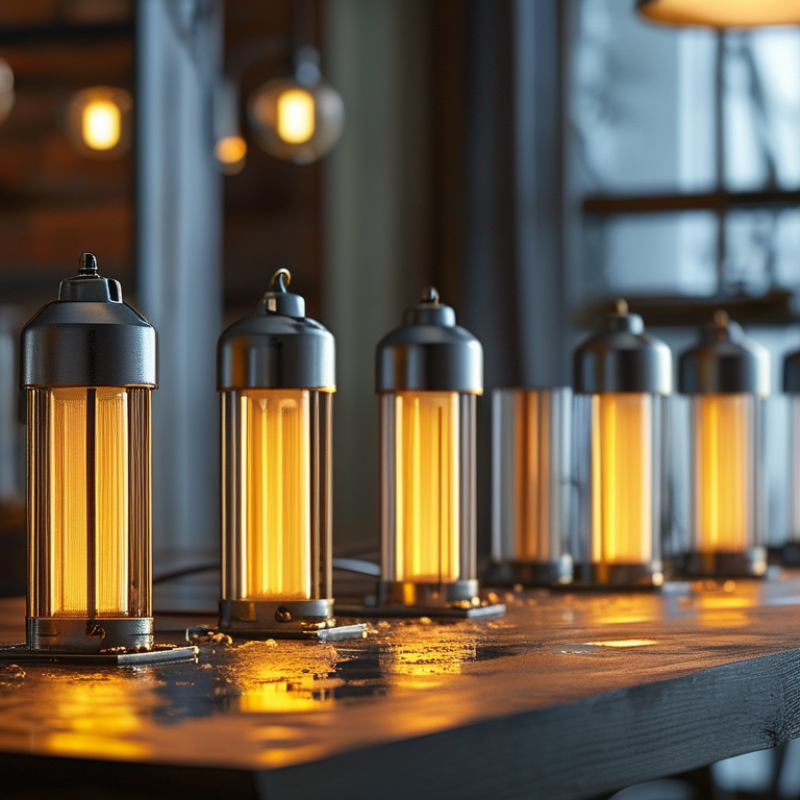
How to Determine Factors That Affect the Lifespan of Downlights?

Factors Influencing the Lifespan of Downlights

When considering the lifespan of downlights, several factors come into play. Quality of materials is crucial. High-grade components often last longer than their cheaper counterparts. Conversely, low-quality materials may wear down quickly under regular use. The design of the downlight also matters. Well-engineered designs can dissipate heat effectively, reducing wear and tear.

Another significant factor is the environment where downlights are installed. Humidity and temperature fluctuations can impact their longevity. For instance, downlights in kitchens or bathrooms may experience more moisture than those in living areas. Regular maintenance can greatly influence lifespan as well. Dust accumulation can obstruct airflow, leading to overheating.

User habits also play a critical role. If downlights are frequently turned on and off, this can put additional strain on the bulbs and circuits. Over time, this habit may lead to burnout. Implementing gradual dimming features can help mitigate this issue. Each of these factors intertwines, creating a complex web that ultimately determines how long downlights will last.

Factors Influencing the Lifespan of Downlights

Types of Downlights and Their Impact on Longevity

The longevity of downlights is influenced by various types and their specific characteristics. Generally, LED downlights have the longest lifespan, often exceeding 25,000 hours. In contrast, halogen and incandescent options usually last around 1,000 and 2,000 hours, respectively. This significant difference speaks volumes about energy efficiency.


The materials used in downlight construction also play a crucial role. Aluminum fixtures tend to dissipate heat better than plastic ones. This aids in preventing overheating, a common issue that can shorten the light's lifespan. According to industry reports, LED downlights in high-quality aluminum housings demonstrate a performance increase of up to 20% in longevity compared to lower-grade materials.


Moreover, environmental factors shouldn't be overlooked. Humidity and temperature fluctuations can impact performance. Downlights installed in damp areas may fail sooner. Energy-efficient models generally perform better in variable conditions. Regular maintenance helps identify wear and tear before they lead to failure. Understanding these factors enhances decision-making for better longevity in lighting.

Importance of Heat Management in Downlight Performance

Heat management is crucial for the performance and longevity of downlights. Effective heat dissipation prevents components from overheating. Over time, excessive heat can damage the internal parts of the fixture. This results in reduced brightness and a shorter lifespan. Keeping downlights cool ensures they operate efficiently, providing consistent illumination.

Proper heat management can be achieved with thoughtful design. For example, using materials that conduct heat away from sensitive components helps. Radiators and heat sinks are effective tools. They maximize the air circulation around the light source. Even the placement of downlights plays a key role. Installations in enclosed spaces may trap heat, leading to premature failure. Regular maintenance can also be overlooked. Dust accumulation can impede airflow, worsening heat issues.

Balancing form and function is a challenge. Designers often focus on aesthetics, sometimes neglecting heat concerns. This oversight can result in fixtures that are visually appealing but function poorly. Reflecting on design choices is essential for improving performance. Embracing creativity while prioritizing practical heat management will lead to more reliable downlights.

How to Determine Factors That Affect the Lifespan of Downlights? - Importance of Heat Management in Downlight Performance

Factor Description Impact on Lifespan Heat Management Technique
Operating Temperature The ambient and internal temperatures where the downlight operates. High temperatures can shorten the lifespan significantly. Use of heat sinks and proper ventilation.
Quality of Components The materials and technologies used in the downlight's construction. Higher quality materials improve durability and heat resistance. Choose high-quality drivers and LED modules.
Installation Location Where the downlight is installed (e.g., indoor vs. outdoor). Installation in enclosed spaces can trap heat. Ensure adequate airflow around installed fixtures.
Usage Duration Average hours per day the downlight is switched on. Longer usage may lead to heat buildup, reducing lifespan. Timer switches or smart home integration to control usage.
Environmental Conditions Humidity, dust, and other environmental factors affecting fixtures. High humidity or dust can affect performance and longevity. Regular cleaning and use of appropriate housing.

Role of Quality Components in Downlight Durability

Quality components play a critical role in the durability of downlights. When manufacturers use high-grade materials, the lifespan of the fixtures significantly increases. A well-designed heat sink can dissipate the heat effectively, preventing overheating. Over time, overheating can lead to premature failure.

LED drivers are another essential component. They regulate power to the light source. Poorly designed drivers can cause flickering and reduced efficiency. Investing in reliable drivers ensures stable performance over extended periods. Users often overlook these factors, assuming all downlights are created equal.

Even the lens material matters. High-quality lenses resist yellowing and UV damage. This impact affects light output and color quality. When lenses degrade, downlights may require replacement sooner than expected. The choice of components reflects the overall quality and reveals the manufacturer's commitment to durability.

Environmental Considerations Affecting Downlight Lifespan

The lifespan of downlights can be significantly influenced by their environment. Heat is a crucial factor. Excessive heat from surrounding conditions can shorten the lifespan of downlights by up to 25%. A study published by the Lighting Research Center indicated that operating temperatures exceeding manufacturer recommendations hasten LED degradation. Proper heat dissipation methods are essential for longevity.

Humidity also plays a role. High humidity levels can lead to condensation, which may damage internal circuits. A report from the Energy Department states that downlights operating in high-humidity areas can lose efficiency. Regular maintenance checks in such environments can help identify potential issues early. These checks prevent costly replacements and ensure optimal performance.

Finally, the quality of installation affects lifespan. Poor installation can lead to electrical issues. The National Electrical Manufacturers Association underscores that around 15% of downlight failures are due to installation errors. Proper training for installers and adherence to guidelines can mitigate these concerns.

FAQS

: Why is heat management important for downlights?

: Heat management ensures the performance and longevity of downlights. It prevents overheating and maintains brightness.

How does excessive heat affect downlights?

Excessive heat can damage internal parts, leading to reduced brightness and a shortened lifespan.

What can be done to manage heat effectively?

Using heat-conductive materials and installing radiators or heat sinks helps dissipate heat from downlights.

How does installation location influence downlight performance?

Enclosed installations can trap heat. This leads to premature failure and reduced efficiency over time.

What environmental factors affect downlight lifespan?

Heat and humidity significantly influence lifespan. High temperatures can shorten lifespans by up to 25%.

How does humidity impact downlights?

High humidity can cause condensation, damaging internal circuits and reducing overall efficiency.

What percentage of downlight failures result from poor installation?

About 15% of failures are due to installation errors, highlighting the need for proper training.

Why is regular maintenance necessary for downlights?

Regular checks can identify issues early. This prevents costly replacements and maintains optimal performance.

What happens when designers prioritize aesthetics over functionality?

Neglecting heat management for aesthetics can lead to fixtures that look good but perform poorly.

How can improving design choices enhance downlight performance?

Reflecting on design choices and balancing creativity with practical heat management can lead to better reliability.

Conclusion

Understanding what factors affect the lifespan of downlights is crucial for optimizing their performance and durability. Key influences include the type of downlight used, as different designs and technologies can significantly impact longevity. Heat management plays a vital role, as excessive temperatures can reduce lifespan and efficiency; thus, effective heat dissipation mechanisms are necessary for maintaining performance.

Additionally, the quality of components directly affects the durability of downlights. High-quality materials can withstand wear and tear better than inferior parts, resulting in a longer operational life. Environmental considerations, such as humidity and temperature fluctuations, also contribute to how long downlights last. By examining these factors, users can make informed decisions that enhance the longevity and reliability of their lighting solutions.

Charlotte

Charlotte

Charlotte is a seasoned marketing professional with a deep understanding of the company's portfolio and a passion for elevating its presence in the market. With a keen eye for detail and a commitment to excellence, she ensures that our professional blog is regularly updated with insightful articles......