The landscape of lighting technology is rapidly evolving, unveiling a future filled with possibilities. In particular, downlight technology stands at the forefront of this evolution. It combines efficiency, aesthetics, and functionality. What is the future trend of downlight technology? This question drives excitement among designers and consumers alike. As we explore upcoming innovations, we see trends that may enhance user experiences, like smart features or customizable options.
Energy efficiency remains crucial. New LED technologies are emerging, revolutionizing how we consume power. Many products claim to be energy-efficient, but not all simultaneously meet user needs. This raises questions about reliability in the market. In contrast, some designs focus on aesthetic appeal, which can sometimes compromise functionality. The balance between beauty and practicality is essential in this evolving field.
As we venture further into this topic, we cannot overlook the importance of user feedback. Many advancements may appear promising, yet they must align with real-world applications. People often have unique lighting needs. Therefore, the future of downlight technology must be adaptable and user-focused to ensure a lasting impact. Only then can we truly harness the benefits of emerging trends.
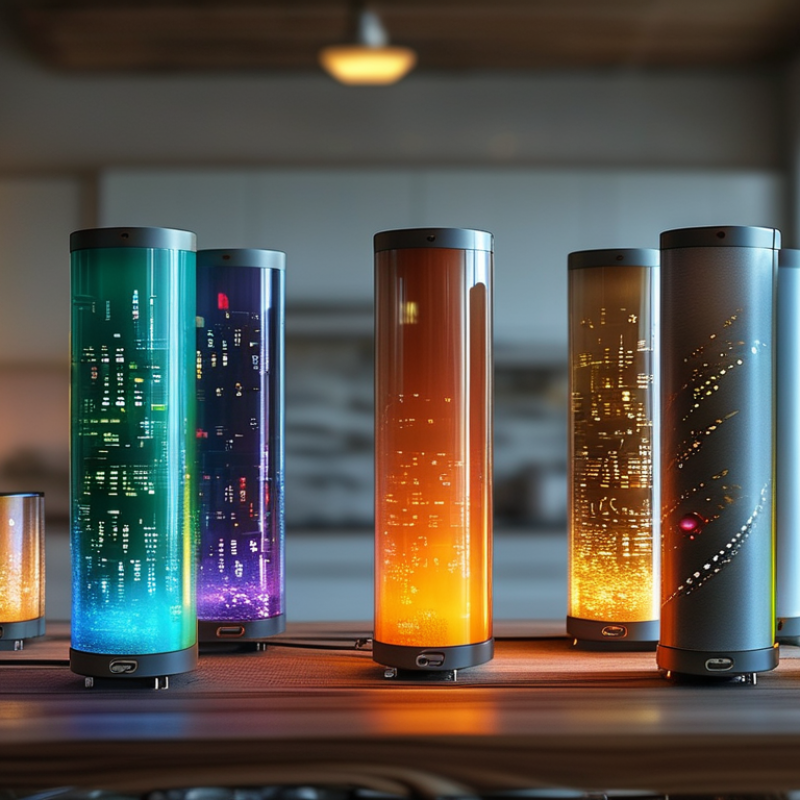
The evolution of downlight technology is driven by several key components. Energy efficiency remains at the forefront. Today's LEDs consume significantly less energy compared to traditional options. This reduction is not just about saving power; it also means lower utility bills for consumers.
Another critical factor is the advancement in smart technology. Integration with home automation systems provides users with better control. Adjusting brightness and color temperature is now possible through smartphones or voice commands. This convenience enhances the overall user experience. However, not all smart capabilities are user-friendly. Many struggle with setup or compatibility issues.
Design flexibility is also increasingly important. Downlights are now sleeker and more versatile. They can adapt to various styles, from modern to traditional. Consumers appreciate choices, but sometimes too many options lead to confusion. With the right balance of aesthetics, functionality, and technology, downlights will certainly meet evolving consumer needs.
| Trend | Description | Expected Impact | Technology Component |
|---|---|---|---|
| Smart Lighting Integration | Incorporating IoT technology into downlights for remote control and automation. | Enhanced user experience and energy efficiency. | Sensors, Connectivity Modules |
| Human-Centric Lighting | Adjusting color temperature and brightness based on the time of day. | Improved well-being and productivity. | LED Technology, Control Systems |
| Energy Efficiency | Adopting more energy-efficient components to reduce consumption. | Lower operating costs and environmental impact. | Advanced LED Chips, Drivers |
| Adaptive Lighting | Downlights that sense occupancy and adjust brightness automatically. | Increased convenience and further energy savings. | Motion Sensors, Control Algorithms |
| Sustainable Materials | Using eco-friendly materials in downlight manufacturing. | Minimized environmental footprint and enhanced market appeal. | Recyclable Components, Low-impact Manufacturing |
: LED technology greatly improves energy efficiency. It consumes less electricity while maintaining brightness. It's a game changer for many spaces.
Certain models can last up to 25,000 hours. However, not all products achieve this longevity. It’s wise to research durability.
Sustainability focuses on using eco-friendly materials. Recyclable components are now common. This leads to less waste in the environment.
Light quality and color consistency are still issues. Not every LED provides the same lighting experience. Research is essential before purchase.
Smart systems allow users to adjust brightness and color via apps. This can lead to better energy savings. User comfort with technology may vary.
Minimalism and versatility are key design trends. Sleek fixtures enhance aesthetics, blending into different environments effectively.
Compatibility challenges exist, especially with dimmers. This can affect user experience. Solutions need to be intuitive and user-friendly.
AI analyzes user behavior for optimal lighting. It can enhance energy efficiency and comfort. However, not all AI tools are effective.
Regularly check AI features for alignment with lifestyle. The right balance between automation and manual control is crucial.
Customizable lighting controls make spaces personal. However, too many options can lead to decision paralysis. Simplicity is important in design.
What is the future trend of downlight technology? The evolution of downlight technology is being driven by several key components, including advancements in LED efficiency and sustainability, which aim to reduce energy consumption while enhancing light quality. As manufacturers focus on creating eco-friendly products, we can expect a continued rise in sustainable lighting solutions that contribute to greener building practices.
Additionally, the integration of advanced control systems for smart lighting solutions is transforming how downlights can be utilized in various spaces, enabling users to customize their lighting experiences. Innovative design concepts are also enhancing both aesthetics and functionality, making downlights an integral part of modern architecture. Moreover, the role of artificial intelligence in optimizing downlight applications promises to further refine performance and adaptability, ensuring that downlight technology continues to evolve in response to changing consumer needs and environmental considerations.

 Diva Lights