Proper maintenance of downlights significantly influences their longevity and efficiency. According to industry reports, around 30% of lighting failures stem from poor care. Therefore, understanding how to maintain downlights for long-term use is crucial for both residential and commercial applications. Regular cleaning and timely bulb replacements can enhance performance and longevity.
Moreover, using quality components can make a difference. A study by the Lighting Research Center found that high-quality downlights can last up to 25,000 hours when properly maintained, compared to only 10,000 hours for lower-quality alternatives. However, neglecting simple maintenance tasks can lead to decreased brightness and higher energy costs, making it essential to stay informed and proactive.
It's important to reflect on your current maintenance practices. Are you regularly checking and cleaning your fixtures? Skipping these steps may cost you in the long run. By investing time in understanding how to maintain downlights for long-term use, you enhance both performance and sustainability.
Downlights are versatile lighting options used in various settings. They come in different types, including recessed, surface-mounted, and pendant downlights. Each type serves a unique purpose. Recessed downlights provide a clean, modern look. They are ideal for minimalistic designs. Surface-mounted downlights work well in areas where ceiling space is limited. Pendant downlights add character and style, making them suitable for dining areas.
Each downlight type has its own advantages and challenges. Recessed lights can be tricky to install. Poor placement can lead to uneven lighting. Surface-mounted options may dominate smaller spaces. Pendant lights, while stylish, require more maintenance to keep dust and grime at bay. Understanding these nuances helps in choosing the right type for your needs. Proper selection can enhance both functionality and aesthetics in your space.
Thinking about downlights encourages reflection on their role in interior design. They should not just illuminate but also complement your style. When selecting downlights, consider the atmosphere you want to create. Each decision shapes the room’s overall feel. Pay attention to how different types interact with your decor.
Regular cleaning of downlights is essential for optimal performance. According to industry reports, dust and grime can accumulate quickly, potentially reducing light output by up to 30%. This buildup impacts not only the brightness but also the overall aesthetic of the lighting.
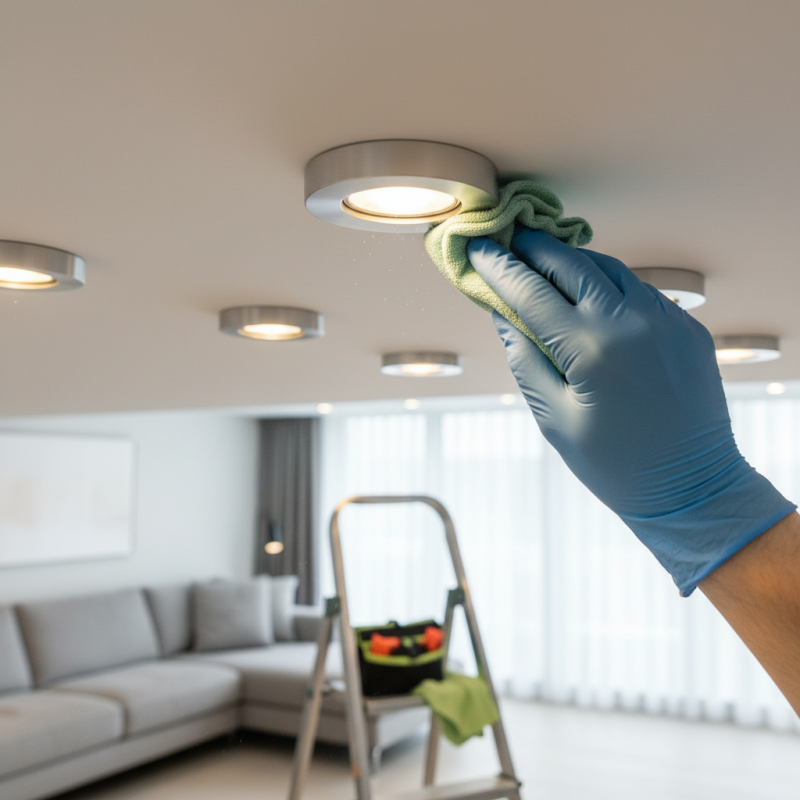
To maintain clean downlights, use a microfiber cloth for regular dusting. This method prevents scratching while effectively removing debris. Consider a damp cloth for tougher spots. However, avoid using excessive water, as moisture can lead to electrical issues. It’s wise to inspect your downlights every few months to ensure they are free from build-up.
Besides basic cleaning, consider deeper maintenance every year. Remove the downlight cover for a thorough clean. Use a vacuum attachment to eliminate dust from inner surfaces. Regular maintenance can extend the life of downlights, making them last years longer. Neglecting this can lead to reduced efficiency and higher energy bills, a factor highlighted in numerous energy consumption studies.
Inspecting and replacing light bulbs in downlights is crucial for their performance. According to industry experts, regular inspections can enhance energy efficiency by up to 30%. Old or burnt-out bulbs not only waste energy but can also cause overheating, leading to potential safety hazards.
When replacing light bulbs, always make sure to turn off the power. Use a sturdy step ladder for better reach. Hands should be dry to avoid slipping. For bulbs labeled as “dimmable,” ensure the replacement matches the existing fixture specifications. Many people overlook this detail, risking flickering or reduced lifespan.
Tips:
Proper electrical connections are crucial for the performance of downlights. A study by the National Fire Protection Association shows that improper wiring is responsible for 29% of electrical fires. Ensuring all connections are secure can prevent potential hazards. It is vital to check wire connections regularly for corrosion or loose fittings. Regular inspections can help identify issues early.
Inadequate electrical connections can reduce the efficiency of downlights significantly. According to the U.S. Department of Energy, up to 30% of energy is lost due to poor connections. This inefficiency leads to increased energy bills and can shorten the lifespan of the light fixtures. Regular maintenance of connections can extend the durability of downlights while ensuring optimal energy consumption.
Beyond electrical connections, consider the installation environment. Dust and moisture can affect connections over time. Keep the fixtures clean and dry to promote longevity. Regular maintenance acts as a reminder to inspect not just the fixtures but also their connections, ensuring a safer and more efficient lighting solution.
| Maintenance Task | Frequency | Required Tools | Notes |
|---|---|---|---|
| Inspect Electrical Connections | Every 6 months | Screwdriver, Voltage Tester | Ensure all connections are secure and free from corrosion. |
| Clean Fixture Lenses | Every 3 months | Microfiber Cloth, Mild Cleaner | Avoid abrasive cleaners to prevent scratching. |
| Replace Burnt Out Bulbs | As needed | Ladder, Replacement Bulbs | Always use compatible bulbs for safety. |
| Check for Overheating | Monthly | Thermometer | Ensure there is proper ventilation to prevent heat damage. |
| Test Dimmer Switch Compatibility | Once a year | Multimeter | Incompatible dimmers can reduce bulb life. |
Improving downlight lifespan relies heavily on proper usage practices. Overheating is a common issue. Ensure your downlights have adequate ventilation. This prevents heat buildup and prolongs bulb life.
Routine maintenance helps keep your lights functioning well. Regularly check for dust accumulation. Dust can block light output and trap heat. A soft cloth or a vacuum with a brush attachment can help. It only takes a few minutes each month.
Using the correct wattage is crucial. Overpowering downlights will lead to burnout. Always refer to the manufacturer's specifications. If unsure, consult a lighting professional. This can avoid costly replacements.
Consider the environment where your downlights are installed. Humid areas may affect performance. Install moisture-resistant lights if necessary.
Remember to replace bulbs promptly. A dim or flickering bulb may indicate it's time for a change. Neglecting this can strain the fixture and affect others. Taking these steps ensures your downlights shine bright longer. It's a small effort for a lasting benefit.
: Regular cleaning prevents dust and grime from reducing light output by up to 30%. Clean downlights are more effective.
Use a microfiber cloth for dusting. A damp cloth works for tougher spots, but avoid excessive water.
Neglect can lead to reduced efficiency and higher energy bills over time. It's essential to maintain them regularly.
Inspect every few months to ensure downlights are free from buildup. Regular checks help maintain performance.
Poor wiring can cause up to 29% of electrical fires. Secure connections help prevent hazards and ensure safety.
Up to 30% of energy can be lost due to inadequate connections. This inefficiency raises energy costs significantly.
Consider removing the cover for a deeper clean once a year. Use a vacuum attachment to eliminate inner dust.
Dust and moisture can affect electrical connections. Keeping fixtures clean and dry promotes their longevity.
Yes, regular checks help identify corrosion or loose fittings early, preventing potential hazards and inefficiencies.
Yes, proper maintenance can significantly prolong the life of downlights, making them last years longer.
Maintaining downlights for long-term use is crucial to ensure their efficiency and longevity. Understanding the different types and uses of downlights is the first step in effective maintenance. Regular cleaning techniques, such as dusting and polishing the fixtures, can prevent dirt buildup that may affect light output. Additionally, homeowners should prioritize inspecting and safely replacing light bulbs when necessary, as well as ensuring proper electrical connections to prevent potential hazards.
Improving downlight lifespan also involves adopting proper usage practices, such as avoiding overuse and managing the intensity of lighting. By following these guidelines on how to maintain downlights for long-term use, users can enjoy optimal performance and enhanced safety in their lighting systems.

Diva Lights