10 Reasons Why LED Downlights Are Better Than Traditional?

Time:2026-05-07 Author:Sophia
0%

In recent years, LED downlights have gained immense popularity among homeowners and designers alike. These fixtures offer numerous advantages over traditional lighting options. They are not just about aesthetics; they provide substantial benefits that affect energy consumption, longevity, and overall performance. Many people wonder, "Why are LED downlights better than traditional downlights?"

One key reason lies in energy efficiency. LED downlights use significantly less power, which translates to lower electricity bills. Additionally, their lifespan often exceeds traditional options by years, reducing the frequency of replacements. However, it’s important to consider that not all LED products offer the same quality. Some inexpensive models might not perform as expected, leading to frustration.

Moreover, the versatility of LED downlights is impressive. They come in various styles and brightness levels, making them suitable for any space. While many embrace their benefits, others remain hesitant. People often worry about the upfront cost, even though the long-term savings can outweigh initial investments. This ongoing debate reflects a broader challenge in adopting new technology: balancing immediate costs with long-term savings.
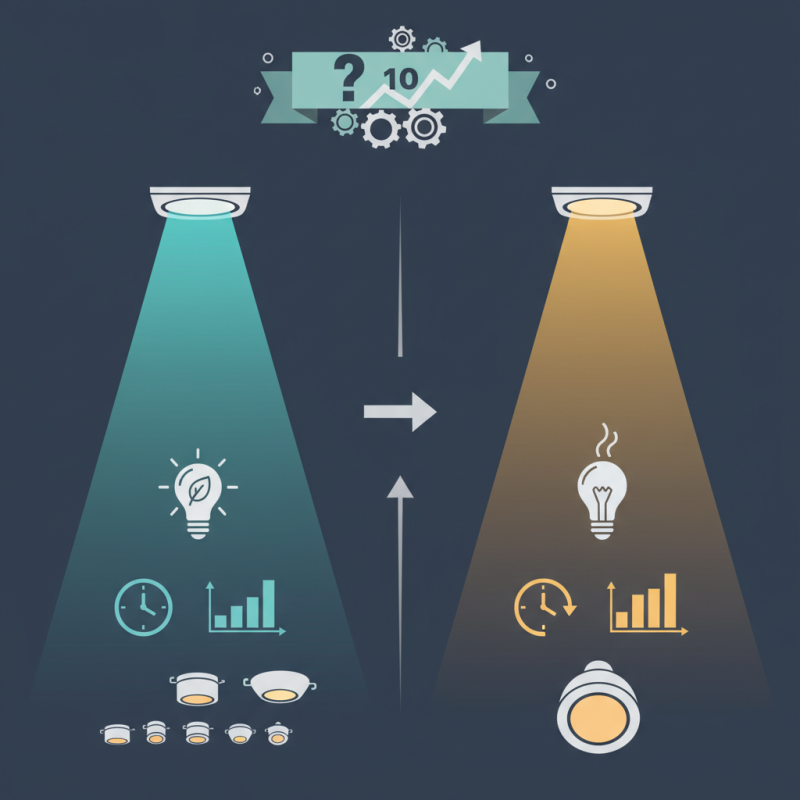
10 Reasons Why LED Downlights Are Better Than Traditional?

Advantages of Energy Efficiency: LED vs. Traditional Lighting

The shift from traditional lighting to LED downlights is largely driven by energy efficiency. According to the U.S. Department of Energy, LED lighting uses at least 75% less energy than incandescent bulbs. This significant reduction translates to lower electricity bills and a reduced carbon footprint. A typical household can save over $100 annually just by switching to LED.


Health professionals note that LEDs emit less heat, preventing thermal discomfort. Traditional bulbs waste energy as heat. In contrast, LEDs convert over 90% of their energy into light. This means brighter illumination for lower energy consumption. Furthermore, the lifespan of LEDs is impressive. They can last over 25,000 hours compared to 1,000 hours for traditional bulbs.


However, initial costs for LED fixtures can be higher. Some consumers hesitate due to this factor. Yet, the long-term savings through energy efficiency and lifespan far outweigh these upfront costs. A 2020 study suggests that by 2030, widespread adoption of LEDs could save the U.S. over $30 billion in energy costs. Although the transition requires consideration, the benefits of LEDs are compelling.

Longevity Comparison: Lifespan of LED Downlights versus Incandescent Bulbs

When considering the longevity of LED downlights compared to incandescent bulbs, the differences are striking. LED downlights can last 15,000 to 50,000 hours, depending on the model. In contrast, traditional incandescent bulbs typically burn out after just 1,000 hours. This vast difference translates into fewer replacements and lower maintenance costs for LED options.

Choosing LED downlights means that homeowners can enjoy consistent lighting without frequent hassle. The technology behind LEDs offers energy efficiency. This efficiency leads to less heat production, extending their operational life even further. However, some may find that home environments need careful adjustment when switching to LED. The initial brightness may feel different, requiring a period of adaptation.

**Tip:** When replacing light fixtures, consider a gradual approach. Test one room at a time to see how the lighting changes the ambiance.

LEDs, however, are not flawless. Early versions of LEDs sometimes produced a harsher light, leading to user complaints. It's crucial to select quality products to ensure good performance.

**Tip:** Always check the color temperature of LEDs. Warmer tones mimic incandescent bulbs closely, making the transition smoother for your space.

10 Reasons Why LED Downlights Are Better Than Traditional? - Longevity Comparison: Lifespan of LED Downlights versus Incandescent Bulbs

Feature LED Downlights Incandescent Bulbs
Average Lifespan 15,000 - 50,000 hours 1,000 hours
Energy Efficiency 80-90% 10-20%
Heat Emission Low High
Environmental Impact Low (no mercury) Higher (contains mercury)
Dimming Capability Yes Limited
Color Temperature Range 2700K - 6500K 2700K
Initial Cost Higher Lower
Maintenance Frequency Less Frequent More Frequent
Total Cost of Ownership Lower over time Higher over time

Cost Analysis: Short-Term and Long-Term Savings with LED Downlights

When comparing LED downlights to traditional lighting, the cost analysis reveals significant savings. LED lights consume less energy, resulting in lower electricity bills. Many households report reductions of up to 75% in their lighting costs. This translates to more money in your pocket each month.

The initial investment in LED fixtures may be higher. However, their long lifespan offsets the upfront costs. LED downlights last about 25,000 hours compared to 1,000 hours for incandescent bulbs. Over time, you won’t need to buy replacements often. This factor alone can save you hundreds in maintenance and replacement costs.

While the benefits are clear, some people still hesitate. The market is filled with various options, and choosing the right product can be daunting. It’s essential to research and compare features. Investing time upfront can lead to long-term benefits. Exploring all available options ensures optimal performance and savings over time.

10 Reasons Why LED Downlights Are Better Than Traditional

Environmental Impact: Reducing Carbon Footprint with LED Technology

LED downlights play a significant role in reducing our carbon footprint. By consuming up to 80% less energy than traditional bulbs, they drastically lower electricity usage. This shift results in a notable decrease in greenhouse gas emissions. As we adopt energy-efficient technologies, we contribute to a cleaner environment.

Switching to LED lighting does more than save energy. It also minimizes the frequency of replacements. Traditional bulbs often burn out quickly, leading to waste. LEDs have a lifespan of up to 25,000 hours. This longevity means fewer bulbs end up in landfills.

However, the transition isn't without challenges. Not everyone is aware of the benefits. Education is crucial for maximizing the impact of LED technology. Understanding energy savings and environmental benefits requires continuous effort. As we encourage the use of LEDs, we should recognize the need for better communication and outreach.

Light Quality and Versatility: How LEDs Enhance Interior Design

LED downlights have transformed interior design with their superior light quality and versatility. One of the key advantages comes from their ability to produce a cleaner, brighter light. This enhances colors and textures uniquely. Rooms appear more vibrant under LED lighting. This quality allows homeowners to create specific moods and atmospheres effortlessly. Imagine a living room bathed in warm light during a family gathering. The right light can transform everyday spaces.

Space versatility is another significant benefit. LED downlights can be adjusted to suit various functional needs. For example, they can be dimmed to create a cozy feel in the bedroom or installed at higher settings for detailed tasks in the kitchen. This flexibility allows for a customized approach to lighting. Moreover, the compact size of LED downlights enables their installation in places where traditional fixtures can't fit, maximizing space utilization.

Tips: When arranging your LED lighting, consider adding layers of light. Combine ambient, task, and accent lighting for a balanced look. Experiment with dimming options to find what works best in your space. Remember, the interaction of light with different colors can dramatically change a room’s feel. Don’t hesitate to adjust and reassess, as this process can lead to surprising outcomes.

FAQS

: What are the energy savings when switching to LED lighting?

: LED lighting uses at least 75% less energy than traditional bulbs, leading to lower electricity bills.

How long do LED downlights last compared to traditional bulbs?

LEDs can last over 25,000 hours, while traditional bulbs last about 1,000 hours.

Are LED fixtures more expensive upfront?

Yes, the initial cost for LED fixtures can be higher than traditional lighting.

Do LEDs impact health by reducing heat emission?

Yes, LEDs emit less heat, preventing thermal discomfort commonly associated with traditional bulbs.

Can switching to LED technology reduce greenhouse gas emissions?

Yes, using LEDs can decrease greenhouse gas emissions by consuming up to 80% less energy.

What should consumers consider when choosing LED products?

It’s essential to research and compare features, as the market offers various options.

What are the long-term economic benefits of using LED lights?

Long-term savings include reduced energy costs and fewer replacements, saving hundreds over time.

How often do traditional bulbs need replacing compared to LEDs?

Traditional bulbs burn out quickly, needing frequent replacements, while LEDs last significantly longer.

Is there a lack of awareness about the benefits of LEDs?

Yes, many people are unaware of the energy and environmental benefits, highlighting the need for education.

What challenges exist in adopting LED technology?

Continuous education and communication are needed to maximize the impact of LED technology on energy efficiency.

Conclusion

LED downlights are increasingly favored over traditional lighting solutions for a variety of compelling reasons. First, their energy efficiency stands out, as LED technology consumes significantly less power while providing the same level of brightness. This leads to long-term savings, making them a cost-effective choice for both residential and commercial spaces. Moreover, LED downlights boast a much longer lifespan compared to incandescent bulbs, which means less frequent replacements and reduced waste.

Environmental impact is another crucial factor; by using LED technology, we can lower our carbon footprint and contribute to a more sustainable future. When it comes to light quality, LEDs offer versatility, enhancing interior design with options in color temperature and brightness that can be easily adjusted to suit different atmospheres. In conclusion, these factors collectively highlight why LED downlights are better than traditional downlights, presenting a superior choice for modern lighting needs.

Sophia

Sophia

Sophia is a dedicated marketing professional with an exceptional depth of knowledge about her company's products and services. With a keen understanding of market trends and customer needs, she crafts insightful blog posts that not only inform but also engage readers, enriching the company’s online......