How to Select Downlights for Commercial Spaces Effectively

Time:2026-03-30 Author:Sienna
0%

Selecting the right downlights for commercial spaces is crucial for creating an inviting atmosphere. According to lighting expert Sarah Thompson, "Proper downlighting can elevate a space and improve overall functionality." Her insights highlight the importance of thoughtful selection in lighting design.

When considering how to choose downlights for commercial spaces, several factors must be addressed. The size of the area, the purpose of the space, and the desired ambiance all play significant roles. For instance, larger areas may require more powerful fixtures to ensure adequate illumination. Additionally, the color temperature of the lights can influence the mood. Cooler tones might suit a modern office, while warmer lights can create a welcoming restaurant vibe.

However, mistakes can occur if these variables are overlooked. Choosing downlights that are too dim can hinder productivity in workspaces. On the other hand, overly bright lights may create discomfort. Therefore, a balance must be found. Achieving effective lighting requires not only understanding these elements but also continually evaluating their impact on the space.
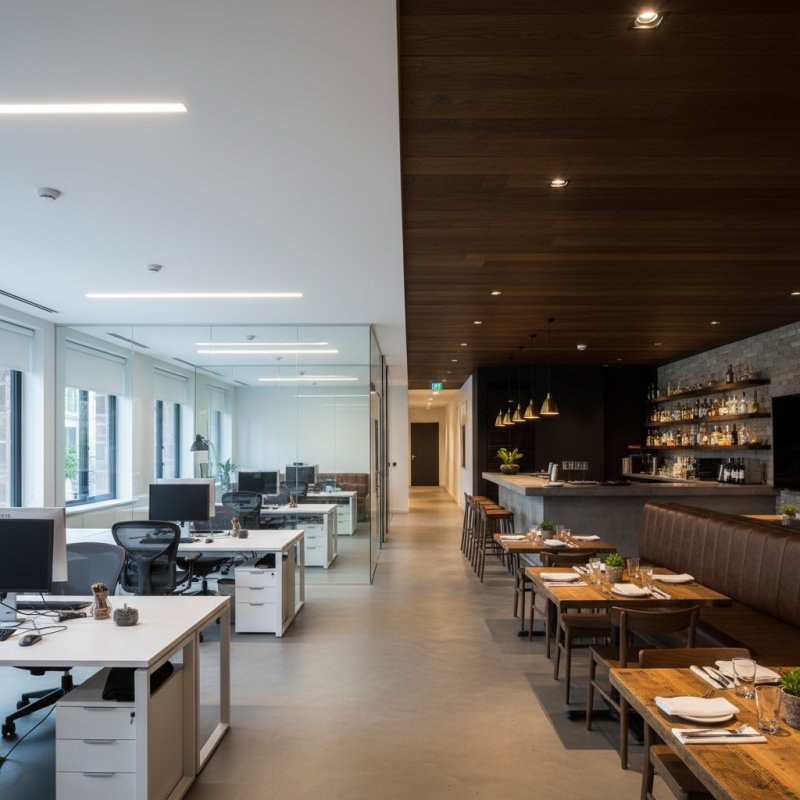
How to Select Downlights for Commercial Spaces Effectively

Understanding the Importance of Downlights in Commercial Spaces

In commercial spaces, downlights play a crucial role in shaping the atmosphere. Properly selected downlights enhance visibility while influencing the overall aesthetic. An industry report shows that lighting can account for about 30% of a building's energy use. This highlights the need for efficient lighting solutions in commercial environments.

The choice of downlights impacts employee productivity and customer experience. Bright, well-placed lights improve focus and reduce eye strain. A study indicated that proper lighting can increase productivity by up to 20%. However, lighting designs often overlook energy efficiency and placement. Many commercial spaces suffer from uneven lighting distribution, leading to shadows and dark spots.

Reflecting on common pitfalls, companies often default to standard solutions without assessing specific needs. For instance, a retail store might choose generic downlights, disregarding application-specific lighting. This can result in a lackluster shopping experience, ultimately affecting sales. Hence, it's essential to tailor downlight selections to the unique demands of each commercial space.

Identifying Different Types of Downlights and Their Applications

Selecting downlights for commercial spaces requires understanding their types and applications. There are various types available, each serving different purposes. Recessed downlights are popular for their sleek design. They blend seamlessly into ceilings. This creates a clean look in retail environments. Pendant downlights can offer focused lighting. They are ideal for highlighting specific areas, like dining tables or product displays.

Another variation is the adjustable downlight. These allow for customization in light direction, enhancing versatility. They are effective in galleries or museums where art needs spotlighting. Additionally, color temperature plays a crucial role. Warmer white lights create a cozy atmosphere, suitable for hospitality spaces. Cooler tones are often used in office settings to boost productivity.

However, choosing downlights is not without challenges. The wrong choice can lead to poor lighting quality. Insufficient brightness affects employee morale and customer experience. It’s essential to assess the space and its function before making decisions. Evaluating the layout can prevent future regret. Consider both aesthetic appeal and functionality in your selection process. Each lighting choice should support the overall design and purpose of the space.

Key Factors to Consider When Choosing Downlights for Your Space

Selecting downlights for commercial spaces requires careful consideration of several key factors. Light output, for instance, is crucial. A report by the American Society of Lighting Engineers states that the recommended lumen output varies greatly based on the function of the space. Retail areas may need up to 100 lumens per square foot, while offices can work effectively with 50-70 lumens. This highlights the importance of assessing your specific environment before making a decision.

Color temperature also plays a significant role in the atmosphere of a commercial space. Studies suggest that warmer temperatures (around 3000K) create a welcoming vibe, ideal for restaurants and retail settings. In contrast, cooler temperatures (5000K and above) promote alertness in office environments. A balance between aesthetic appeal and functional clarity is essential. It's vital to not overlook the dimming capabilities as well. Not all downlights have this feature, which can lead to less flexibility in creating varying moods throughout the day.

Lastly, energy efficiency cannot be ignored. According to the U.S. Department of Energy, LED downlights can reduce energy consumption by up to 75% compared to traditional incandescent lights. Despite this, installation costs can be higher initially. This is a factor to weigh against long-term savings and sustainability goals. Making informed choices involves evaluating both immediate needs and future benefits.

Evaluating Light Output and Energy Efficiency in Downlight Selection

Selecting downlights for commercial spaces involves careful evaluation of light output and energy efficiency. The right balance of brightness and energy consumption can influence both aesthetics and operational costs. High lumen output ensures adequate lighting levels in work environments. However, too much brightness can create discomfort. Aim for a combination that enhances visibility without glare.

When assessing energy efficiency, consider the wattage and type of bulbs used. LED downlights offer higher efficiency compared to traditional incandescent options. They provide better longevity and lower energy bills. It’s crucial to check the lumens per watt ratio; a higher ratio indicates better efficiency. Always analyze the initial investment against long-term savings.

Tips: Evaluate your space’s needs before purchase. Calculate how many downlights you require based on room layout. Think about color temperature as well; it affects ambiance. Create a lighting plan that aligns with your commercial objectives. Don't overlook dimmable options; they offer flexibility for varying tasks and moods. Reflect on your choices regularly and adjust as necessary to ensure optimal performance.

Downlight Energy Efficiency and Light Output Comparison

Installation and Maintenance Tips for Optimal Downlight Performance

When installing downlights in commercial spaces, focus on several key factors. Proper placement is critical. Arrange fixtures to avoid shadows and ensure even illumination. Consider the specific tasks of the area. For example, office spaces may require brighter lights compared to relaxing zones like lounges.

Maintenance is often overlooked, yet it's essential for longevity. Regularly clean the fixtures to prevent dust accumulation. A simple wipe with a soft cloth can make a difference. Check for any flickering or dimness, which may indicate a need for bulb replacement.

In some cases, the initial installation might not meet the intended design. If employees report inadequate lighting, adjustments are necessary. This feedback loop can improve overall performance. Encourage open discussions about lighting satisfaction to better address needs.

How to Select Downlights for Commercial Spaces Effectively - Installation and Maintenance Tips for Optimal Downlight Performance

Parameter Recommendation
Lumens Output 500-1000 lumens per fixture
Color Temperature 3000K to 4000K for a warm ambiance
Beam Angle 60 degrees for general illumination
Dimming Capability Compatible with standard dimmers
Installation Height 8 to 10 feet for optimal illumination
Maintenance Frequency Every 6-12 months for cleaning
Energy Efficiency Look for fixtures with Energy Star rating
Material Quality Use aluminum or high-quality plastics

FAQS

: What are the benefits of using downlights in commercial spaces?

: Downlights enhance visibility and influence aesthetics. They can improve employee productivity and customer experience.

How does lighting affect employee productivity?

Proper lighting can increase productivity by up to 20%. Bright, well-placed lights reduce eye strain and enhance focus.

What common mistakes are made in downlight selection?

Many choose standard solutions without assessing specific needs. This can lead to poor lighting quality and affect sales.

What types of downlights are available for commercial use?

Options include recessed, pendant, and adjustable downlights. Each serves unique purposes and suits different environments.

Why is color temperature important in downlight selection?

Warmer tones create a cozy atmosphere for hospitality spaces. Cooler tones boost productivity in office settings.

How can energy efficiency impact downlight choices?

LED downlights reduce energy consumption by up to 75%. Initial costs may be higher, but long-term savings are significant.

What should be assessed before choosing downlights?

Evaluate the layout, space function, and lighting quality needed. This helps prevent future regret and ensures effective lighting.

Why is dimming capability a factor to consider?

Not all downlights come with dimming features. Lack of flexibility can limit the ability to create different moods throughout the day.

How do lumen outputs vary by space type?

Retail areas may need up to 100 lumens per square foot, while offices work well with 50-70 lumens.

What should be balanced when selecting downlights?

Aesthetic appeal and functional clarity should be balanced for optimal results in any commercial space.

Conclusion

When considering how to choose downlights for commercial spaces, it is crucial to understand their significant role in enhancing the ambiance and functionality of these environments. Different types of downlights serve various applications, from general lighting to accenting specific areas. Key factors include the size of the space, the desired light output, and the energy efficiency of the fixtures, which play a vital part in long-term operational costs.

Additionally, evaluating light output is essential for achieving the right brightness and aesthetics, while maintaining energy efficiency to minimize consumption. Proper installation techniques and regular maintenance are also vital for ensuring optimal performance over time. By thoughtfully addressing these considerations, one can effectively select downlights that enhance the overall appeal and functionality of commercial spaces.

Sienna

Sienna

Sienna is a skilled marketing professional with a deep expertise in our company’s core products and services. With a passion for innovation and detail, she plays a pivotal role in crafting insightful blog posts that not only highlight the unique features of our offerings but also provide valuable......