Selecting the right downlights for commercial spaces can be challenging yet crucial. Effective lighting enhances aesthetics and productivity. Understanding how to choose downlights for commercial spaces goes beyond mere aesthetics; it requires careful consideration of various factors.
Commercial environments vary widely. A retail store needs different lighting than an office or a restaurant. Each setting requires a specific ambiance. It’s essential to evaluate the purpose of the space first. Consider the type of activities that will occur. Different activities often demand different lighting intensities and colors.
It’s easy to overlook certain elements. Many people might focus solely on style, ignoring functionality. Think about energy efficiency and long-term costs. Choosing the wrong lights can lead to discomfort or high energy bills. Balancing design with practicality is vital. By evaluating both aspects, you can create a well-lit, inviting environment.
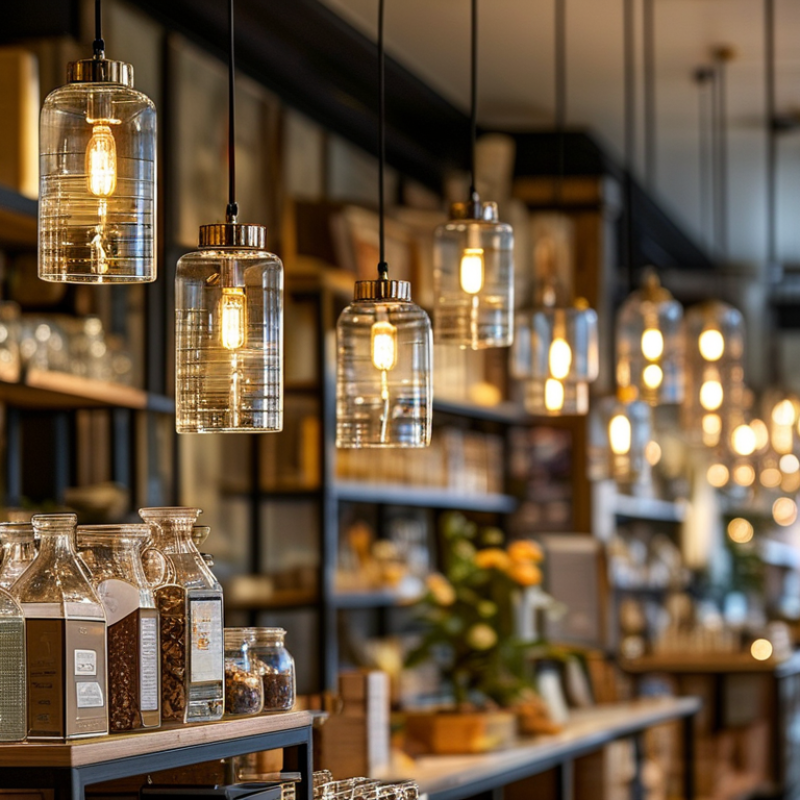
Selecting downlights for commercial spaces involves understanding their purpose and benefits. Downlights provide focused illumination, enhancing visibility and aesthetics. They can define spaces, highlight merchandise, and create a welcoming environment. Properly placed downlights transform a dull area into an inviting space.
The benefits of downlights extend beyond simple lighting. They improve energy efficiency when designed correctly. The use of LED downlights reduces electricity costs. However, the placement can be tricky. Misalignment may cause shadows or overly lit areas. Testing different layouts is essential. Commercial spaces often host varying activities. Adjustable downlights offer flexibility to adapt to different needs.
A key aspect to consider is the color temperature. Warmer tones create a cozy atmosphere, while cooler tones foster focus. Both have their places in commercial settings. Reflecting on the desired ambiance helps in selection. Each decision should align with the space's objectives. This approach ensures the effectiveness of downlights in enhancing the overall environment. Consider revisiting your choices based on actual usage and feedback.
| Feature | Description | Importance |
|---|---|---|
| Lumens | Measurement of the brightness emitted by the downlight. | High lumens are important for visibility in commercial spaces. |
| Color Temperature | Indicates the warmth or coolness of the light (measured in Kelvins). | Affects atmosphere; warmer lights create coziness, cooler lights enhance alertness. |
| Beam Angle | The angle at which light is spread from the fixture. | Wider angles are suitable for general lighting; narrower for focused tasks. |
| Dimmability | Ability to adjust the brightness of the downlight. | Enhances flexibility of lighting for different moods and times of day. |
| Efficiency | Ratio of light output compared to energy input (measured in watts). | Higher efficiency leads to lower operating costs and energy use. |
| Installation Type | Different types include recessed, surface-mounted, or pendant. | Selection affects aesthetics and functionality in different environments. |
| Longevity | How long the downlight is expected to last (in hours). | Longer lifespan reduces maintenance costs and frequency of replacements. |
: Understand the purpose of the area first. Retail spaces need bright lighting, while offices prefer softer tones.
Warm white tones create a welcoming atmosphere. Cooler tones improve focus and attention, influencing customer experiences.
Spacing should generally be 1.5 to 2 times the height to minimize shadows and ensure even light distribution.
Proper placement highlights key areas, like workstations, and affects both aesthetics and user comfort in the space.
Incorporate dimmable options. This allows adjustments based on different activities throughout the day, improving functionality.
Establish a cleaning schedule to remove dust. Regularly inspect for issues like flickering bulbs or discolored lenses.
Not all LED products are equal. Review lumen output and color temperature to ensure efficiency and the right ambiance.
Yes, while upfront costs may be higher, better quality will reduce maintenance needs and save on energy over time.
Regular evaluations are crucial. They help adapt lighting to current needs and improve workplace efficiency and environment.
Too much light can cause discomfort; too little can hinder productivity. Finding balance requires ongoing user feedback.
In "How to Select Downlights for Commercial Spaces Effectively," the article outlines a comprehensive approach to choosing the right downlights for commercial environments. Understanding the purpose and benefits of downlights is crucial, as they enhance the ambiance, improve visibility, and accentuate architectural features. Key considerations include the type of downlights that best fit the intended design and functionality of the space, evaluating brightness levels and color temperature to create the desired atmosphere.
When learning how to choose downlights for commercial spaces, attention should also be given to their placement and spacing to ensure optimal light distribution. Additionally, maintenance and energy efficiency are essential factors, as they can significantly impact long-term operational costs. By following these guidelines, businesses can ensure they select downlights that not only meet their lighting needs but also contribute to energy savings and aesthetic appeal.

 Diva Lights