Choosing the right downlight size is crucial for achieving optimal room lighting. According to lighting expert Dr. Emily Larson, "Properly sized downlights can transform a space, enhancing both function and style." This insight underlines the importance of selecting the correct dimensions when designing your lighting plan.
When considering "what size downlight do I need for a room," several factors come into play. The dimensions of the room, the height of the ceiling, and the desired brightness all influence your choice. Smaller rooms may require downlights with tighter beams, while larger spaces benefit from broader light distribution.
Many homeowners overlook these details, resulting in inadequate lighting. A common mistake is sticking to one size for every room. This approach often leads to dark corners or overwhelming brightness. It's essential to balance light intensity and coverage effectively. Understanding your space will enable you to select the right downlight, making your environment both functional and visually appealing.
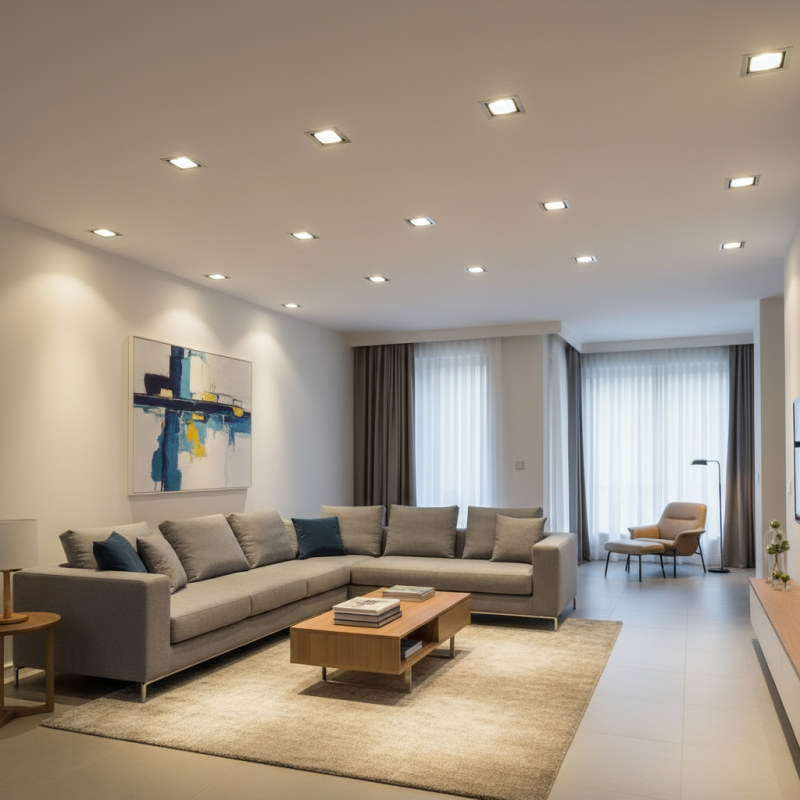
Understanding Room Lighting Needs
Choosing the right downlight size is crucial for effective room lighting. Each space has unique needs based on its size and function. For instance, a small kitchen may require focused lighting, while a larger living room needs a more ambient glow. Consider how the room is used. Is it for relaxation, work, or gatherings? Each scenario demands different lighting levels.
When assessing lighting needs, think about the ceiling height. Higher ceilings might benefit from larger fixtures that provide broader illumination. Lower ceilings could utilize smaller downlights for a more compact, cozy feel. The layout of furniture also matters. Ensure that lighting covers all areas, especially corners that may remain dim. Reflections and shadows can disrupt harmony in the room’s design.
Lastly, remember that personal preference plays a role. Some people might find too much light harsh. Others may seek brightness to energize their space. Experimenting with different sizes and placements can lead to unexpected results. Don't hesitate to adjust and refine until the lighting feels just right. Your living space should reflect your unique taste and needs.
Factors Affecting Downlight Size Selection
When selecting downlights for room lighting, several factors come into play. Room size is crucial. Larger rooms typically require larger or more numerous downlights to ensure even illumination. According to the American Lighting Association, a general rule of thumb is to use about 1.5 watts per square foot. This guideline helps in determining the total wattage needed for adequate brightness.
Another vital factor is the ceiling height. In rooms with higher ceilings, deeper or adjustable fixtures may be necessary. These can help to direct light downwards, creating an effective lighting design. Light distribution plays a significant role here. Wider beam angles are suitable for large spaces, while narrower beams can highlight certain areas. A study from the International Association of Lighting Designers highlights that inappropriate beam angles can lead to harsh shadows or overly bright spots.
Color temperature and fixture design also influence downlight selection. Warmer colors can create a cozy atmosphere, while cooler tones promote alertness. It's important to assess personal preferences and room function. Additionally, reflect on the overall aesthetic. Lighting can change the mood and functionality of a space significantly. Balancing all these factors can be challenging, yet it is essential for achieving the desired lighting effect.
What Size Downlight Do I Need for My Room Lighting? - Factors Affecting Downlight Size Selection
| Room Type |
Recommended Downlight Size (inches) |
Ceiling Height (feet) |
Lumens per Downlight |
Spacing Between Lights (feet) |
| Living Room |
6-8 |
8-10 |
800-1000 |
5-7 |
| Kitchen |
4-6 |
8-10 |
600-800 |
4-6 |
| Bedroom |
4-6 |
8-10 |
400-600 |
6-8 |
| Bathroom |
4 |
8-9 |
300-500 |
4-5 |
| Hallway |
4-6 |
8-9 |
300-500 |
6-8 |
Common Downlight Sizes and Their Applications
When selecting downlights for your room, size matters significantly. Common downlight sizes range from 2 to 6 inches in diameter.
Smaller downlights, like the 2-inch option, work well in tight spaces. They are ideal for accent lighting and highlighting artwork.
In contrast, larger 6-inch downlights provide broader illumination. They are perfect for general lighting in larger rooms.
A 4-inch downlight is a versatile choice. It provides a balanced light output, suitable for hallways or living rooms.
Think about how many lights you need. Too few can leave dark corners, while too many may create a harsh atmosphere. You’ll want a layout that ensures even lighting without blinding spots.
Consider the room’s height as well. Taller ceilings may necessitate larger fixtures for optimal lighting. Sometimes, small fixtures in tall rooms appear lost.
Experiment with placement before installation. Testing can reveal unexpected shadows or bright spots. Understanding these factors will enhance the effectiveness of your downlights.
Calculating the Required Lumens for Your Space
When determining how many lumens you need for your room, several factors play a crucial role. An average living room requires around
1,500 to 3,000 lumens for effective illumination. The brightness needed can vary based on
activities performed in the space. For instance, reading or working may require approximately
300-500 lumens per square meter.
Calculating lumens effectively requires considering the room's size and intended use. A kitchen might need about
5,000 lumens for tasks like cooking. In contrast, a bedroom could be well-lit with
1,000 to 2,000 lumens. A report from the U.S. Department of Energy highlights that proper
lighting increases productivity and comfort.
Another factor to consider is the color of your walls. Lighter colors reflect more light, requiring fewer lumens to achieve
the desired effect. Darker walls absorb light, leading to a need for higher lumens to maintain brightness. This interplay
between wall color and lighting can often lead to oversights in planning. Understanding your space thoroughly ensures a
well-lit environment, enhancing both aesthetic appeal and functionality.
Installation Considerations for Downlights in Different Rooms
When installing downlights, room type plays a crucial role in determining the right size and brightness. According to the Illuminating Engineering Society, the typical guideline for living areas suggests a brightness level of about 100-150 lumens per square foot. For high ceilings, a larger downlight, like a 6-inch fixture, may be more suitable. This size helps to spread light efficiently and reduce harsh shadows, enhancing the overall ambiance.
In contrast, kitchen areas often require brighter lighting for safety and functionality, approximately 300 lumens per square foot. Using smaller downlights, like 4-inches, can create focused lighting on work surfaces. However, care must be taken to avoid overly bright spots, which can lead to glare. A well-planned layout using multiple smaller fixtures can achieve a balanced and effective lighting scheme.
Bathrooms require a different approach. Generally, 100-200 lumens per square foot are sufficient. Smaller downlights can be effective here, especially when combined with task lighting around mirrors. However, positioning is critical. Placing lights too far from where they are needed can create shadows that interfere with tasks like shaving or applying makeup. Thus, careful planning and consideration of space dimensions ensure better lighting outcomes.
FAQS
: Room size and ceiling height are key factors affecting downlight selection for proper illumination.
Higher ceilings may require deeper or adjustable fixtures to direct light effectively downwards.
A guideline is about 1.5 watts per square foot for adequate brightness.
A living room usually requires around 1,500 to 3,000 lumens for effective lighting.
Lighter walls reflect light, needing fewer lumens, while darker walls absorb light and require more.
Kitchens need approximately 300 lumens per square foot for safety and functionality.
Bathrooms typically require about 100-200 lumens per square foot for adequate lighting.
Positioning is crucial; placing lights too far can create unwanted shadows during tasks.
Incorrect angles can create harsh shadows or overly bright spots, affecting overall lighting quality.
Yes, careful planning is essential to achieve a balanced lighting scheme tailored to the room's function.
Conclusion
When considering "What size downlight do I need for a room," it is essential to first understand the lighting needs of your space. Factors such as the room's purpose, dimensions, and existing natural light play a crucial role in determining the appropriate downlight size. Various common downlight sizes serve different applications, catering to everything from ambient lighting in living rooms to task lighting in kitchens.
To achieve optimal lighting, calculating the required lumens is vital, as this measurement guides the selection of downlight size and wattage for your specific needs. Additionally, installation considerations can vary by room type, influencing how downlights should be placed for maximum effect and coverage. Ultimately, tailoring your downlight choice to your room's specific characteristics will enhance both functionality and aesthetics.

 Diva Lights