Choosing the right downlights for industrial spaces is crucial. Proper lighting improves productivity and safety. According to a 2021 report by the Illuminating Engineering Society, effective lighting can boost worker efficiency by up to 20%. However, selecting the wrong fixtures can lead to poor visibility and increased energy costs.
When considering how to choose downlights for industrial spaces, think about the specific requirements of your environment. High ceilings and extensive machinery demand adequate illumination. The brightness, color temperature, and energy efficiency of downlights should align with these needs. A recent study indicated that LED downlights, for instance, consume up to 75% less energy than traditional lighting. Yet, not every LED option is suitable for all industrial applications.
Reflect on your current setup. Are your downlights adequately illuminating work areas? Are there dark spots? Poor lighting can result in accidents or decreased production. Consider involving an expert to assess your space. After all, investing in proper downlights is not merely about light; it’s about creating a safer, more efficient workspace. Choose wisely.
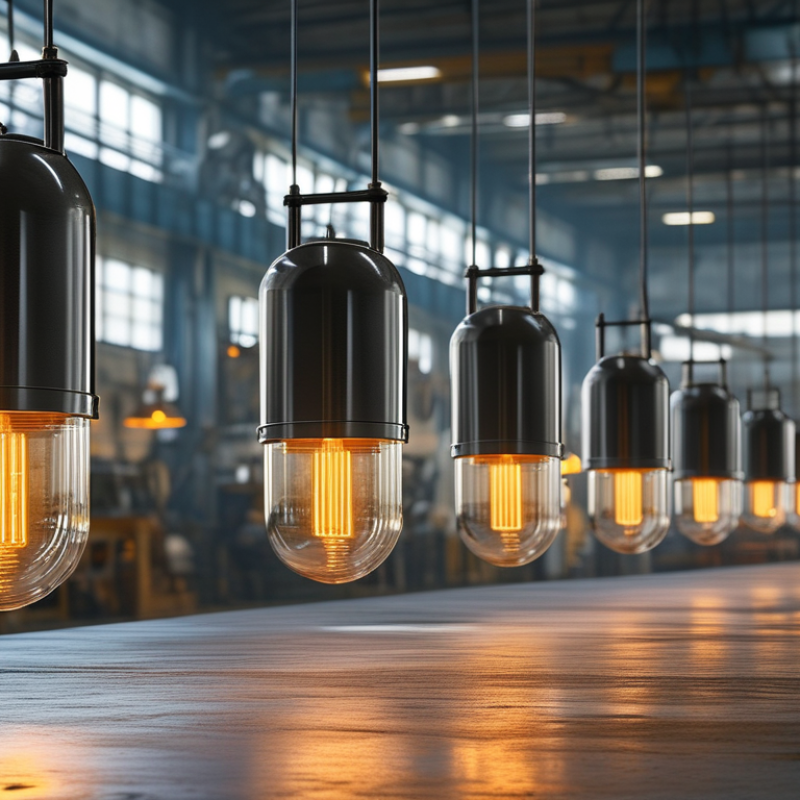
Industrial spaces have distinct lighting needs that differ significantly from commercial or residential areas. Effective lighting can enhance productivity and ensure safety. According to a report by the Illuminating Engineering Society, industrial facilities can experience up to 25% energy savings with appropriate lighting solutions. Therefore, understanding these unique requirements is crucial for selecting downlights.
When choosing downlights, consider the light intensity. Industrial areas often require high lumen output due to their size. Insufficient lighting can create hazards. Another factor is color temperature. A cooler color temperature, around 5000K, mimics daylight and reduces eye strain. It's essential to avoid overly warm tones in workspaces.
Evaluate the spacing of downlights as well. Poorly spaced lighting can result in dark spots. Aim for a balance that provides uniform illumination across the workspace. Lastly, think about energy efficiency. Energy Star-rated fixtures can lower operating costs and environmental impact. Understanding these aspects will guide you in making a well-informed decision for downlight installations in industrial settings.
When evaluating different types of downlights for industrial spaces, performance and efficiency are key considerations. LED downlights are often recommended for their energy efficiency. They last longer than traditional bulbs and reduce energy costs. However, not all LED models are created equal. Some may have poor color rendering, which can affect visibility and safety in work environments.
Another important factor is the beam angle. A narrow beam is suitable for focused tasks, while a wider angle covers larger areas. However, the choice depends on your specific space. A high ceiling may require downlights with a more powerful output to maintain effective illumination. Sometimes, it requires a mix of different angles for optimal results.
It’s crucial to consider heat management as well. Poorly designed fixtures may overheat, shortening their lifespan. Regular reviews of lighting efficiency can lead to discoveries about what suits your space best. This ongoing reflection can help you make more informed choices. It’s an imperfect process, but ultimately, aiming for balanced illumination will yield better productivity and safety in the long run.
Choosing the right downlights for industrial spaces can significantly affect productivity and safety. One of the key factors to consider is beam angle. A narrow beam angle provides focused lighting, ideal for task-oriented areas. Conversely, a wider beam angle distributes light more evenly, making it suitable for larger workspaces. Understanding the specific needs of your environment is essential.
Lumens, a measure of brightness, also play a crucial role in industrial lighting. Higher lumens can illuminate spaces more effectively, enhancing visibility and reducing eye strain. However, excessive brightness can create discomfort. It’s vital to strike a balance based on the activities performed in that space.
When selecting downlights, consider these tips: determine the purpose of the lighting, assess the ceiling height, and take note of any machinery present. You might find that experimenting with different configurations leads to better outcomes. Don't hesitate to adjust and evaluate the lighting set-up after installation. Each industrial site has unique challenges, and thoughtful adjustments can lead to improved functionality in the long run.
When selecting downlights for industrial spaces, energy efficiency and longevity should be top priorities. High-quality downlights can significantly reduce energy consumption, leading to financial savings. Look for LED options, as they use less energy and last longer than traditional bulbs. This choice will not only conserve power but also decrease maintenance costs.
Consider the lumen output needed for your specific area. It’s important to assess the specific tasks that will be performed under the lights. For example, brighter lights may be necessary in work areas, while softer lighting can work in rest areas.
Choosing downlights with a longer lifespan is equally important. Fixtures with short lifespans may require frequent replacements. This can lead to disruption and increased costs. Evaluate product specifications before purchasing. Many manufacturers provide information on the expected life of their products. Understanding these details can guide your decision-making. Ultimately, taking the time to analyze energy efficiency and longevity will yield significant benefits for industrial spaces.
When planning industrial lighting solutions, budgeting is crucial for maintenance and upgrades. Many businesses overlook the long-term costs associated with lighting systems. High-quality downlights may have a higher initial price but can reduce maintenance costs. Regularly changing bulbs can quickly add up. Choosing durable materials can lead to significant savings over time.
Consider the energy efficiency of your lighting. LED options, while more expensive upfront, consume less energy. This results in lower utility bills. Moreover, energy-efficient lights have longer lifespans, which lessens the frequency of replacements. Reflect on your lighting needs regularly. Industrial spaces change over time, and so do lighting requirements. Upgrading your system can improve productivity and safety, but planning is essential.
It's easy to dismiss the importance of regular upkeep. But neglecting maintenance can lead to larger issues. Keeping an eye on the performance of downlights will provide better insight into potential upgrades. Embracing a mindset of continuous improvement allows facilities to stay competitive. Assess your current setup and adapt as needed for optimal results.
This bar chart represents the key factors influencing the budgeting for maintenance and upgrades in industrial lighting solutions. It demonstrates the percentage of industrial managers prioritizing different aspects when selecting downlights.
: Industrial spaces need high lumen output for safety and productivity. Poor lighting can create hazards.
High light intensity reduces dark spots and ensures a safer working environment. Insufficient lighting can lead to accidents.
A cooler color temperature around 5000K mimics daylight. It helps reduce eye strain effectively.
Proper spacing is crucial. Aim for uniform illumination to avoid dark areas that can hinder productivity.
Energy Star-rated fixtures lower operating costs and impact on the environment. They also enhance energy efficiency.
No, some LED models may have poor color rendering. This can affect visibility and safety in the workplace.
Narrow beams are for focused tasks, while wider angles cover larger spaces. Choose based on your specific needs.
Poor heat management can shorten the lifespan of fixtures. Regular evaluations help ensure effectiveness.
No, it’s often imperfect. Ongoing assessment is needed to find what truly suits your space.
Balanced illumination can significantly enhance productivity and safety, making it crucial to choose the right fixtures.
When considering how to choose downlights for industrial spaces, it is essential to first understand the specific lighting needs unique to such environments. Industrial spaces often require robust lighting solutions that ensure safety and productivity, making the selection of downlights crucial. Evaluating different types of downlights for their efficiency and performance is vital, as this will directly impact overall operational effectiveness.
Additionally, assessing the beam angle and lumens is critical in achieving the desired illumination levels for various tasks within the space. Energy efficiency and longevity of the downlights should also be a priority, as these factors contribute to reduced operational costs in the long run. Lastly, it's important to factor in budgeting for maintenance and potential upgrades to ensure that the industrial lighting solutions remain effective and economically viable over time. Following these guidelines will help in making informed decisions about downlight selection for industrial applications.

Diva Lights