Choosing the right downlight for your space can greatly impact the ambiance and functionality. According to the National Lighting Bureau, proper lighting accounts for up to 15% of overall home energy efficiency. Unfortunately, many overlook this critical aspect. “How to choose the right downlight for my space is about more than just aesthetics; it involves understanding your needs,” says lighting expert John Doe.
Selecting the perfect downlight requires consideration of several factors. The color temperature, beam angle, and installation type all play vital roles. A report by the Global Lighting Association highlights that customized lighting solutions can enhance mood and productivity by nearly 20%. Yet, homeowners often make hasty decisions, leading to dissatisfaction and wasted resources.
It's essential to understand that not all downlights will meet project demands. Your personal taste should align with function. Until you truly assess your space, you may struggle with the choices available. Aim for a balance between style and practicality. Careful evaluation can lead to transformative results in any environment.
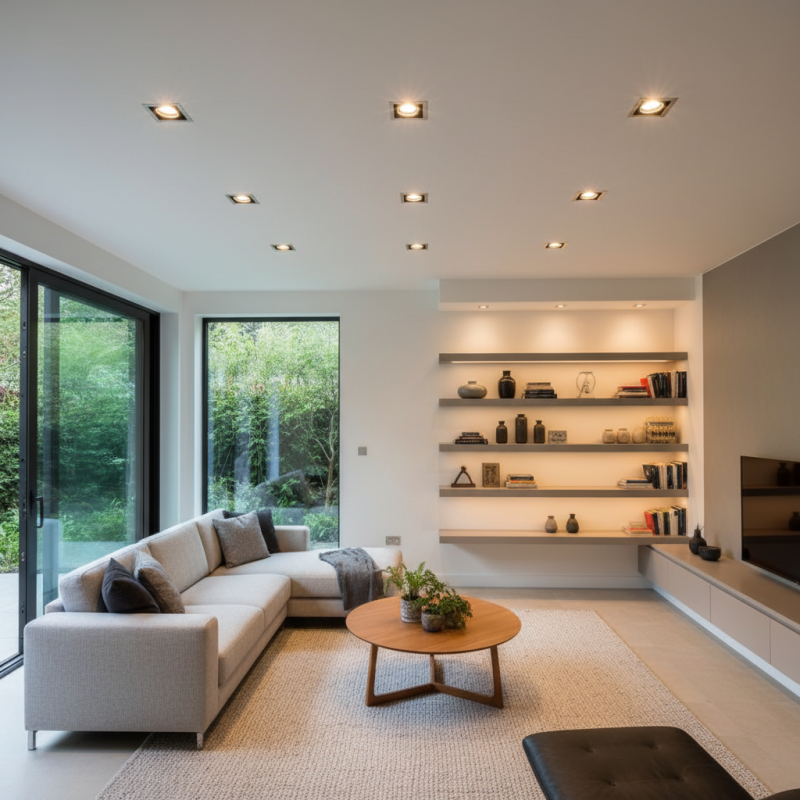
Choosing the right downlight involves understanding the various types available. Recessed downlights are popular for modern spaces. They fit snugly into ceilings, providing subtle yet effective illumination. According to the Lighting Research Center, they can reduce energy consumption by up to 80% compared to traditional bulbs.
Track lights offer flexibility. They can highlight artwork or specific areas. However, positioning can be tricky; misalignment may lead to uneven lighting. For ambient lighting, wall-mounted downlights create a warm atmosphere. Data from the International Energy Agency suggests that such fixtures enhance room aesthetics while conserving energy.
Another option is the adjustable downlight. These allow you to direct light where it’s needed most. However, they can compromise overall brightness. Understanding beam angles is crucial, as a narrow beam can create harsh shadows. In contrast, a wider beam provides softer light, but may fail to effectively illuminate task areas. Balancing these factors enhances both functionality and comfort in the space.
When it comes to choosing the right downlight, the size and layout of your space are crucial considerations. Research shows that lighting can influence a room's perception. For instance, a well-lit area can feel larger and more inviting. Conversely, poorly positioned lights can make even a spacious room feel cramped. This phenomenon emphasizes the importance of strategic placement.
Measuring your room is vital. Define the dimensions before selecting downlights. Reports indicate that in rooms under 100 square feet, a single fixture can often suffice. Still, larger spaces generally require multiple fixtures to ensure even illumination. Height also matters; higher ceilings may necessitate more powerful downlights. Always aim to create a balanced light distribution. Too much light in one area can create harsh shadows elsewhere.
Consider the function of each room. Different tasks might require varying brightness levels. For instance, kitchens often need brighter lighting for meal preparation, while living rooms benefit from softer ambiance. The wrong choice can lead to frustration and dissatisfaction. People often overlook how crucial these details are in home design. Therefore, take the time to assess your needs before making a decision.
When selecting downlights, understanding brightness is crucial. Many people confuse lumens and watts. Lumens measure brightness, while watts indicate energy usage. It’s important to focus on lumens for effective lighting.
A downlight with 800 lumens can illuminate a small room well. Brightness can vary based on the color of the walls. Dark colors absorb light, requiring more lumens for adequate brightness. Conversely, lighter walls reflect light better. A casual room may need 150 to 300 lumens per square meter.
Consider the atmosphere you want to create. Warm light feels cozy, while cool light adds a modern touch. Experiment with different options before making a choice. You might find that your first pick doesn’t fit the space well. It’s an evolving process. Don't rush it. Evaluate your choices closely.
The following chart compares the brightness measured in lumens versus power consumption in watts for different types of downlights. This will help you understand the efficiency of various options available for your space.
Choosing the right color temperature for your downlights can significantly impact your home’s ambiance. Warmer tones, around 2700K to 3000K, create a cozy and inviting atmosphere. These hues are perfect for living rooms or bedrooms where relaxation is essential. For example, you might choose warm lights to enhance the comfort of your reading nook.
In contrast, cooler temperatures, such as 4000K to 5000K, offer a more vibrant, energetic feel. These shades work well in kitchens or workspaces, promoting alertness and focus. Imagine prepping dinner under bright, cool light—it can transform the kitchen experience entirely. However, striking the right balance is crucial. Too cool a light can feel harsh, while too warm can seem dull.
It’s also important to consider the color scheme of your space. Warm lights can complement earthy tones, while cool lights enhance modern, minimalistic decor. Think about how different temperatures can influence the perception of color in your rooms. Test different options before making a final decision. What feels right one day might change as your space evolves. Experimentation and reflection are key in creating the perfect ambiance for your home.
| Tip No. | Tip | Details | Color Temperature (K) |
|---|---|---|---|
| 1 | Understand Your Space | Assess the function and mood you want to create. | 2700K |
| 2 | Choose the Right Brightness | Select lumens based on room size and task requirements. | 3000K |
| 3 | Prioritize Energy Efficiency | Look for LED downlights to save energy. | 4000K |
| 4 | Consider Dimming Options | Dimmable lights add versatility to lighting design. | Warm White (2700K) |
| 5 | Match Style with Décor | Select designs that complement your interior theme. | 3200K |
| 6 | Evaluate Color Rendering Index (CRI) | Aim for CRI above 80 for accurate color representation. | 5000K |
| 7 | Consider Beam Angle | Wider angles illuminate larger areas. | Natural White (4000K) |
| 8 | Plan for Placement | Distribute lights evenly for balance. | Warm White (3000K) |
| 9 | Test Colors Before Purchase | Check how colors and materials look under different lights. | Flexible (varies) |
| 10 | Seek Professional Advice | Consult with lighting designers for optimal solutions. | Customizable |
Choosing the right downlight for your space involves careful consideration of
energy efficiency and
lifespan.
LED downlights are a popular choice due to their energy-saving capabilities.
They consume less electricity compared to traditional bulbs, which can
lower your energy bills. However, the upfront cost might be higher.
This can be a barrier for some people.
When assessing lifespan, not all downlights are created equal. Some can last
over 25,000 hours, while others may only last a few thousand.
This difference can affect your long-term costs. It’s important to balance
initial expenses with future savings. Remember to consider the type of
dimmers or switches you plan to use. Not all downlights function well with
dimming controls. This can lead to flickering or reduced brightness.
Think about the space's lighting needs too. A well-lit area may need fewer
fixtures. On the other hand, a cozy room might require softer lighting.
Test different downlight options before making a final decision. Observe
how the light interacts with your furniture and walls. Sometimes it’s not
easy to see potential problems until they are in place.
: The size affects how lighting influences your room's perception. Larger spaces need more fixtures for even light.
Higher ceilings may require more powerful downlights to ensure effective illumination. Balance is essential.
Kitchens typically need brighter lighting for meal prep. Consider cooler tones for better focus and visibility.
Warmer tones create a cozy atmosphere, while cooler tones promote energy and alertness. Balance is crucial.
Measure your room dimensions and consider its function. Different rooms need different brightness levels.
Choosing the wrong type may cause frustration and dissatisfaction. It’s important to reflect on your needs carefully.
Yes, warm lights enhance earthy tones, while cool lights complement minimalistic decor. Test options for best effect.
Avoid concentrating too much light in one area to prevent harsh shadows. Even distribution is key to balance.
Choosing the right downlight for your space involves several critical considerations to ensure optimal lighting and ambiance. First, it's essential to understand the different types of downlights available and their specific uses, which can greatly influence the overall design and functionality of a room. Assessing the size and layout of your space is key, as it helps determine the appropriate number and placement of downlights for even illumination.
Additionally, evaluating brightness is crucial; understanding lumens versus watts will aid in selecting downlights that meet your lighting needs without overpowering the space. Choosing the right color temperature can significantly impact the atmosphere of your interior, creating warmth or coolness as desired. Lastly, considering energy efficiency and the lifespan of various downlight options will ensure that your selection is both sustainable and cost-effective. By following these guidelines, you’ll find clarity on how to choose the right downlight for my space.

Diva Lights