Understanding the longevity of downlights is vital for buyers. Many people wonder, "How long do downlights normally last?" This question influences purchasing decisions and overall satisfaction. The lifespan of downlights varies based on several factors, including the type of bulb, installation quality, and usage patterns.
Typically, LED downlights have a longer lifespan compared to halogen or incandescent options. They often last up to 25,000 hours or more, providing excellent value for money. However, the performance can decline over time. Some owners notice flickering or dimness after a few years. This decline raises concerns, making it essential to choose high-quality products.
In conclusion, selecting the right downlights requires careful consideration. While many LED models boast extended life, users should reflect on actual performance. Understanding the nuances of downlight longevity helps ensure a satisfying purchase experience.
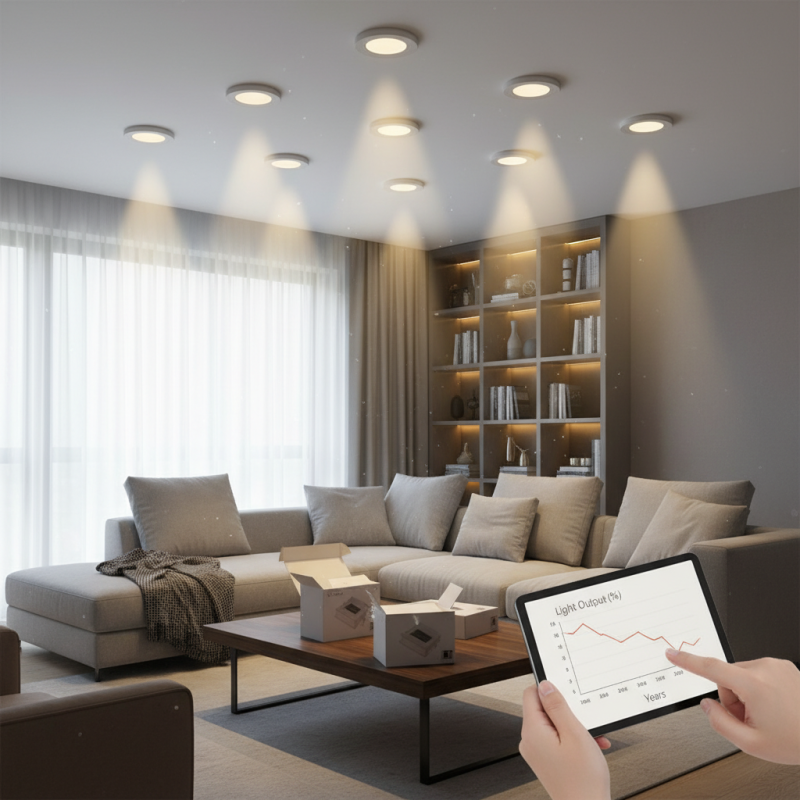
When considering the lifespan of downlights, several key factors come into play. The type of bulb used significantly impacts durability. LED downlights generally last longer than halogen or incandescent options. They can operate for over 25,000 hours, while traditional bulbs may only last between 1,000 to 2,500 hours. This difference highlights why many people favor LEDs.
Temperature is another crucial element. Excessive heat can shorten a downlight's life. Adequate ventilation around the fixtures is essential. If installed in an enclosed space, consider using downlights designed specifically for that environment. The installation quality can also affect lifespan. Poorly installed fixtures may suffer from electrical issues that lead to early burnout.
Lastly, the quality of materials plays a role. DURABLE components tend to withstand wear and tear better. However, even high-quality downlights can fail if not maintained properly. Neglecting to clean them can lead to dust build-up, which reduces brightness and efficiency. Regular maintenance checks can extend their overall lifespan significantly. Balancing these factors is critical for ensuring long-lasting, efficient lighting in your home.
When considering the lifespan of downlights, various types hold different averages. LED downlights typically last the longest—up to 25,000 hours. They are efficient and have a lower energy consumption, which contributes to longevity. Fluorescent downlights, on the other hand, usually last around 10,000 hours. They require warm-up time to reach full brightness, which can be a factor to consider.
Halogen downlights fall short compared to LEDs and fluorescents. Expect these to last about 2,000 hours. Halogens can produce a warm light, but they also generate more heat. This can lead to a higher energy bill and possible fire hazards. It's important for buyers to reflect on these aspects before making a purchase.
Tips for choosing downlights: check the lumen output for brightness and efficiency. Choose luminaires with a good heat dissipation design to enhance their lifespan. Regularly inspect your downlights to spot any flickering or dimming early on. These signs may indicate that a replacement is necessary. Always consider installation locations, as this impacts the performance and endurance of your downlights.
When considering the longevity of downlights, it's essential to recognize the signs that indicate a need for replacement. Flickering lights can be a troubling sign. This can signify issues in the wiring or the downlight's internal components. If you notice unsightly discoloration around the unit, this is another red flag. This may point to overheating, posing fire hazards.
Burned-out bulbs require frequent replacements. If you're changing bulbs more than once a year, it might be time to consider new fixtures. Additionally, a dimmer light output suggests the downlights are nearing the end of their lifespan. Ideally, significant brightness should be maintained throughout their intended life.
Tip: Regularly inspect your downlights for any physical wear. Look for cracks or loose fittings. Ensure they are in optimal condition to avoid electrical issues. Consider replacing downlights if they are older than ten years, regardless of their current functionality. A proactive approach can save you time and money in the long run.
| Type of Downlight | Average Lifespan (Hours) | Signs for Replacement |
|---|---|---|
| Incandescent | 750 - 2,000 | Flickering, dim light, burnt-out |
| Halogen | 2,000 - 4,000 | Overheating, discoloration, reduced brightness |
| CFL | 7,000 - 15,000 | Long warm-up time, unusual buzzing sounds |
| LED | 15,000 - 50,000 | Color shifting, flickering, significant light output reduction |
Maintaining downlights is crucial for their longevity. Regular cleaning is a simple yet effective step. Dust and debris can accumulate on fixtures, dimming their brightness and affecting performance. Use a soft damp cloth to wipe down the surfaces every few months. This small effort can go a long way in preserving their functionality.
Another key maintenance tip involves checking connections. Over time, wiring can become loose or damaged, which might lead to flickering lights or complete failure. Inspect the connections periodically. Look for any signs of wear. If you notice anything unusual, consider consulting a professional. This can prevent potential hazards and extend the life of your downlights.
Lastly, consider the environment where the downlights are installed. Excess heat can shorten their lifespan. Avoid using downlights in areas without proper ventilation. If they are placed in enclosed spaces, ensure there is adequate airflow. Balancing these factors can significantly enhance the durability of your lighting fixtures. Managing these elements may not be perfect, but taking small steps can lead to better performance over time.
LED downlights have revolutionized modern lighting, particularly in durability. A recent report states that LED downlights can last up to 25,000 hours. This is significantly higher than traditional incandescent bulbs, which tend to last around 1,000 hours. The longevity of LEDs is largely due to their solid-state technology. They emit light more efficiently and generate less heat.
Heat is a critical factor in light bulb lifespan. Traditional options, like halogen bulbs, waste energy as heat. This not only shortens their life but also leads to higher energy costs. In contrast, LEDs remain cooler, ensuring a longer operational life. According to the U.S. Department of Energy, switching to LED lighting can save consumers an average of $225 in energy costs over the lifetime of a single bulb.
However, not all LED products are created equal. Some lower-tier options may fail much earlier. Similarly, consistently operating at high temperatures can lead to premature burnout. Homeowners should consider quality and placement when installing downlights. The installation environment significantly impacts effectiveness and durability. A conscious choice in LED downlights can create lasting benefits.
: Signs include flickering lights, discoloration around the unit, and frequent bulb changes.
If bulbs are changed more than once a year, it’s time to consider new fixtures.
A dimmer light suggests that downlights are nearing the end of their lifespan.
LED downlights can last up to 25,000 hours, far exceeding traditional options.
Traditional bulbs waste energy as heat, which shortens their lifespan and increases costs.
The installation environment plays a significant role in downlight effectiveness and durability.
No, some lower-tier LED options may fail sooner than expected.
Regularly inspect for wear and consider replacing lights older than ten years.
Improper installation can lead to overheating and premature burnout.
Quality choices can ensure longer lifespan and reduce energy costs significantly.
When considering "How long do downlights normally last," several factors play a crucial role in determining their lifespan. These include the type of downlight, the quality of installation, and the environmental conditions in which they operate. Generally, the average lifespan varies across different types of downlights, with LED options outlasting traditional designs due to their superior durability and energy efficiency.
To ensure your downlights have a long service life, it's essential to recognize the signs indicating they need replacement, such as flickering or dimming. Regular maintenance, such as cleaning and checking connections, can also significantly extend longevity. By comparing LED downlights to traditional options, one can appreciate the advancements in durability, making LEDs a more cost-effective choice over time.

Diva Lights