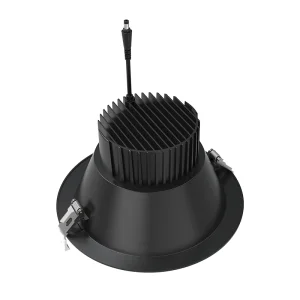
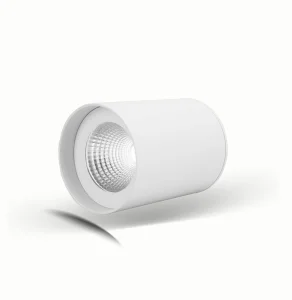
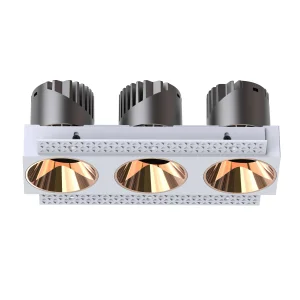
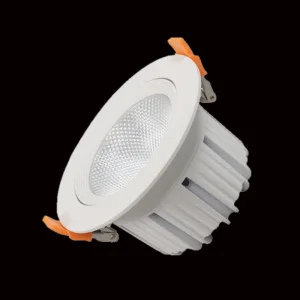
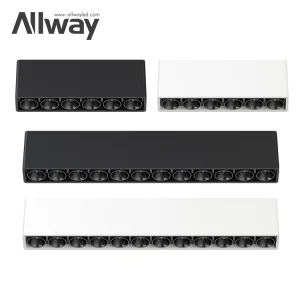
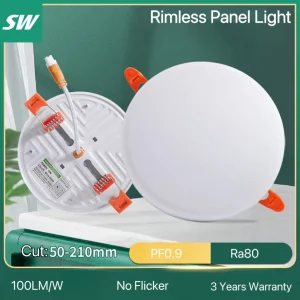
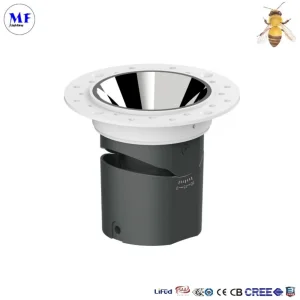
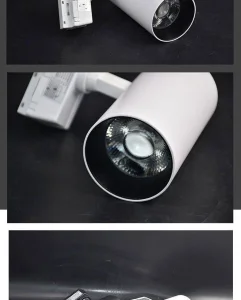
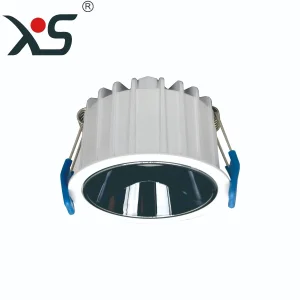
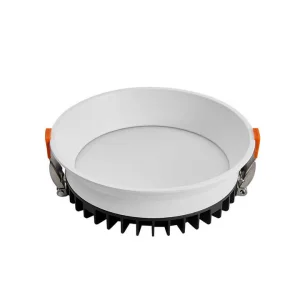
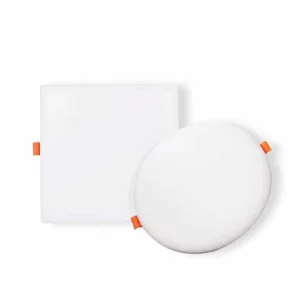
Engineered to ensure uninterrupted egress pathway guidance and seamless aesthetic integration in structural installations
In modern commercial construction, industrial facilities, and mixed-use urban infrastructures, emergency lighting is no longer just a checkbox on a local compliance inspector's list. It is a critical component of life safety engineering. Professional electrical specifiers, MEP (Mechanical, Electrical, and Plumbing) consultants, and multinational engineering contractors demand emergency lighting systems that offer uncompromising reliability, energy efficiency, and low total cost of ownership (TCO). As safety standards tighten worldwide under the mandates of international bodies like NFPA (National Fire Protection Association) in North America, and CEN (European Committee for Standardization) in Europe, the global B2B procurement network faces structural shifts.
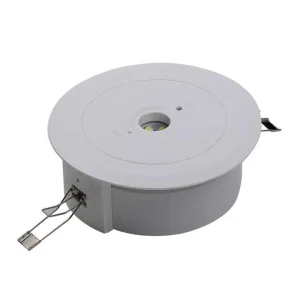
Procuring emergency lighting systems demands strict attention to battery chemistry resilience, smart diagnostic features, and architectural coherence. In spaces such as modern high-occupancy corporate headquarters or premium boutique hotels, designers reject bulky, industrial-looking battery pack boxes that clash with the interior design. Instead, the focus has shifted toward high-performance, modular recessed LED emergency downlights that blend seamlessly into architectural ceilings while maintaining a robust, independent emergency power supply behind the drywall. The global procurement ecosystem requires dependable partners who can cross-certify equipment, adapt technical specifications dynamically, and offer comprehensive OEM and ODM support from structural modeling to logistics management.
Industrial plants, hazardous process areas, and transit terminals require lighting configurations engineered to withstand high dust loads, extreme vibration, and moisture ingress. Selecting components with appropriate Ingress Protection (IP) ratings, like IP65 surface-mounted downlights, is vital for long-term operability in challenging climates. Standard safety lighting often fails when exposed to moisture or ambient temperatures exceeding typical limits. Specifiers now look for robust die-cast aluminum enclosures that disperse heat effectively away from critical drivers and battery arrays.
In response to smart city initiatives and building automation systems, the technology landscape has evolved toward integrated emergency lighting systems. Modern architectural spaces utilize DALI (Digital Addressable Lighting Interface) or wireless IoT mesh nodes for emergency luminaire control. Instead of conducting manual testing that involves visual verification of each fixture's status, building management teams use centralized monitoring systems. These setups perform automated function and duration tests, logging compliance data directly to local or cloud-based databases to reduce operational costs and prevent human verification errors.
Microchip-driven automated diagnostic testing sequences conform to EN 50172 standards, executing runtime analysis without manual intervention.
Transitioning from traditional Ni-Cd to Lithium Iron Phosphate batteries, providing thermal stability, longer lifespans, and eco-friendly compliance.
Architecturally optimized lenses direct high-lumen output into wide escape route distributions, minimizing the total fixture count needed.
Selecting the correct emergency power core determines the functional longevity and regulatory reliability of emergency exit indicators and egress lighting systems. The comparison below highlights why high-end commercial projects favor modern lithium-based power supplies over older nickel-cadmium solutions.
| Performance Metrics | Nickel-Cadmium (Ni-Cd) | Nickel-Metal Hydride (Ni-MH) | Lithium Iron Phosphate (LiFePO4) |
|---|---|---|---|
| Operating Lifetime | 3 - 4 Years (Approx. 500 cycles) | 4 - 5 Years (Approx. 800 cycles) | 8 - 10 Years (Over 2000+ cycles) |
| Operating Temperature | -10°C to +45°C | 0°C to +40°C | -20°C to +60°C (Extended range) |
| Energy Density | Low (approx. 50 Wh/kg) | Medium (approx. 80 Wh/kg) | High (approx. 140+ Wh/kg) |
| Environmental Impact | High (Toxic Heavy Metal - Cadmium) | Moderate (Difficult recycling) | Low (Eco-friendly, RoHS Compliant) |
| Self-Discharge Rate | High (approx. 20% per month) | Moderate (approx. 15% per month) | Extremely Low (<3% per month) |
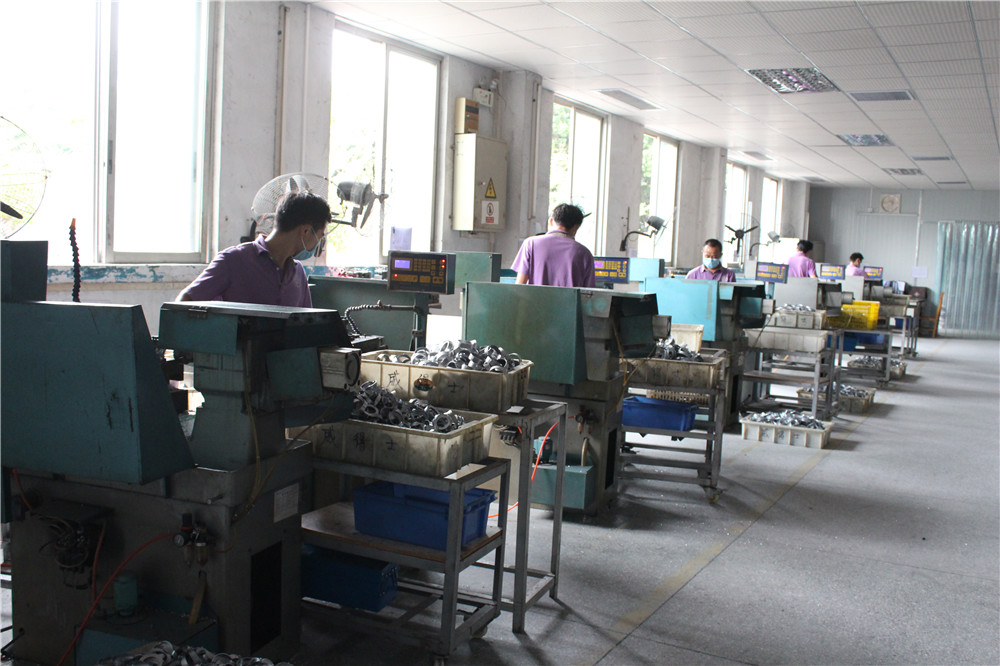
Diva Lighting was founded in Foshan, China in 2000, with the idea of continuous innovation and strict quality control. The factory of Diva Lighting is located in Foshan, Guangdong, covering an area of 15,000 square meters, with more than 150 employees. The sales headquarter and product developing center is located in downtown Foshan, with 1,200 square meters office space. A group of innovative and passionate people work here, delivering good service and designing creative down light led products.
Diva focus on designing and manufacturing LED downlights, all downlights strictly meet the fire safety and electrical safety requirement of lighting, as our goal is to making home a better and safer place. Acquiring OHSAS18001:2007 and ISO14001:2004 certifications prove our commitment to the society and environment. Diva's lighting products are manufactured in accordance with the CE, EMC, ENEC, UL and RoHS standards. All lighting products integrate and utilize high quality electrical components such as driver from TRIDONIC and light source from CITIZEN, BRIDGELUX and CREE.
Aiming at "Becoming an outstanding innovative lighting company", Diva spare no effort on the research and development of lighting products, and has own more than 280 patents both in China and abroad, including Europe and North America. With good reputation, Diva put customers on the first place, and is dedicated to bring customers good experience by delivering good customer service, innovative products and ensure quality stability.
Our Mission: Helping customers with business success, Working for a safer and better world.
Our Value: Satisfy customer. Pragmatic innovation. Fast & Efficiency. Open & Cooperation.
Our Vision: Create the industry's first product and become the first brand in the segment field.
Safety infrastructure products must satisfy strict international regulations. Emergency lighting design requirements vary significantly across target markets. For instance, European specifications dictate compliant operations according to EN 60598-2-22, demanding continuous operation of at least 3 hours during mains power loss. Meanwhile, US markets require emergency lighting to supply active illumination for at least 90 minutes in accordance with UL 924 standards.
To ensure stability during power fluctuations, our engineering division implements complex circuit-level protection schemes. Using premium Tridonic emergency drivers paired with high-efficiency Citizen and Cree light sources prevents issues such as inrush currents and voltage spikes. Additionally, integrated temperature protection systems monitor battery charge levels and automatically shift to trickle-charge mode when cell temperatures rise, preventing thermal runaway and extending overall product lifespan.
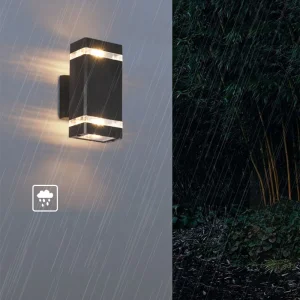
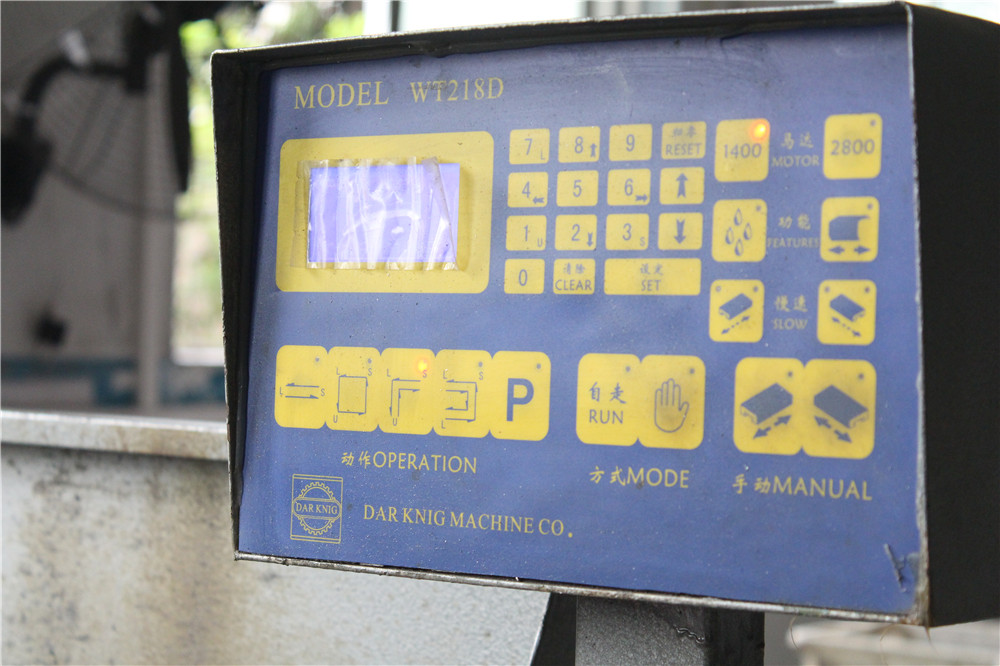
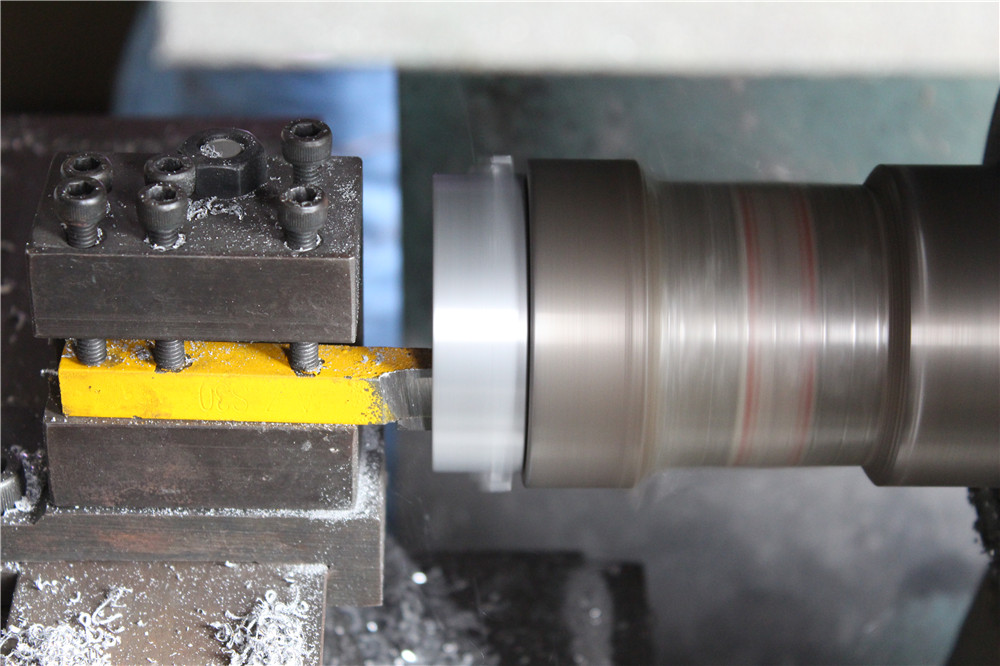
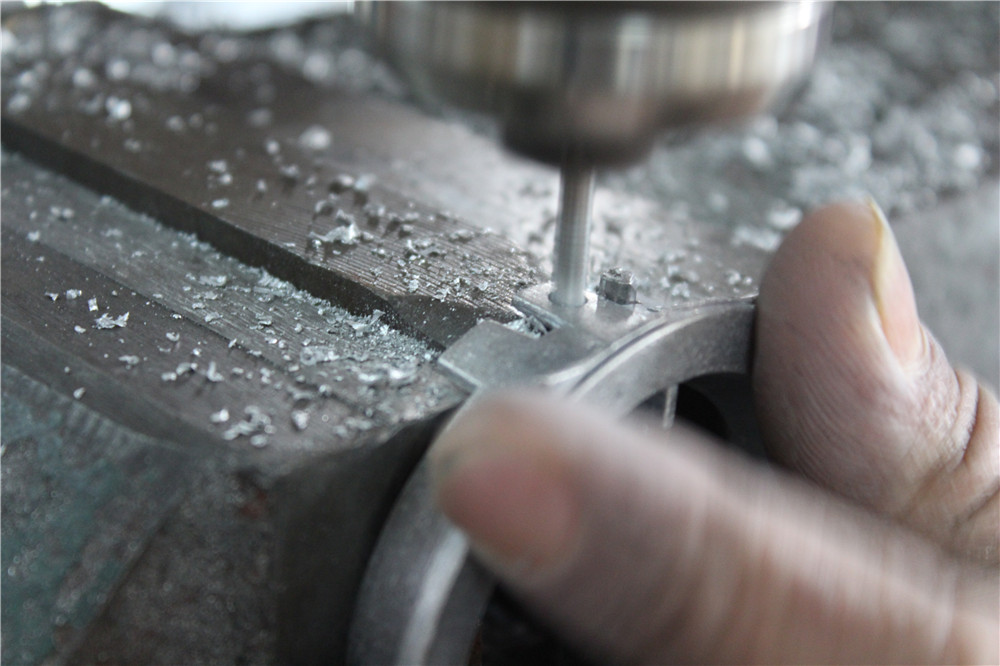
Our ODM department translates these complex electrical requirements into localized structural designs. From high-grade aluminum anti-glare recessed spotlights to waterproof surface-mounted outdoor wall sconces, each component undergoes rigorous testing. Testing protocols include thermal shock chambers, IP-level validation tests, and harmonic distortion profiling to confirm compliance with global safety standards.
Expert answers addressing regulatory, design, and manufacturing inquiries for commercial emergency lighting projects
Architectural ceiling systems, spotlight units, and custom fixtures configured for safety compliance and visual comfort
 Diva Lights