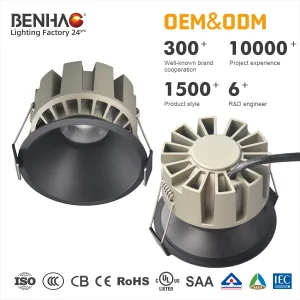
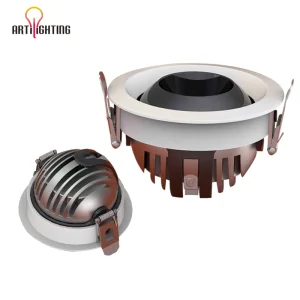
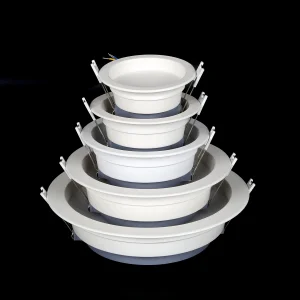
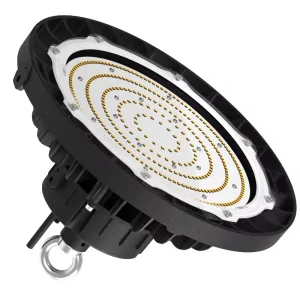
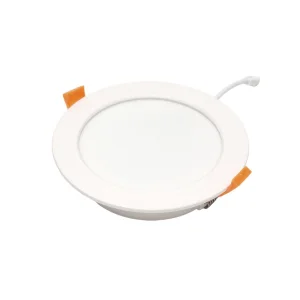
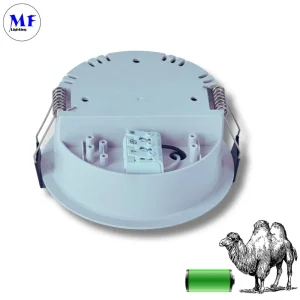
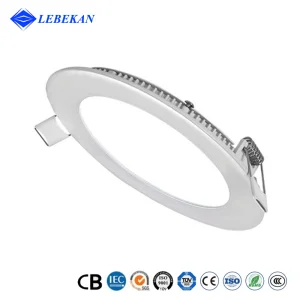
Engineered with premium optoelectronic drivers and robust thermal management. Optimized for professional commercial distribution.
The global commercial illumination landscape is undergoing a critical transition from traditional gas-discharge neon and basic PVC strip lighting to state-of-the-art co-extruded silicone LED Neon systems. As global architecture demands greater energy efficiency, higher longevity, and complex geometric form factors, custom OEM neon lights have emerged as a foundational technology. The structural differences between outdated materials and advanced structural silicone dictate not only optical rendering capabilities but also operational safety, long-term degradation rates, and suitability for extreme climates.
Silicone extrusion is superior due to its fundamental chemical architecture. Silicone molecules form a strong silicon-oxygen backbone, which features significantly higher bond energy than the carbon-carbon chains present in PVC. Consequently, high-grade silicone LED Neon lights can withstand extended UV exposure without yellowing, micro-cracking, or losing mechanical elasticity. This resistance to weathering makes them the ideal choice for high-profile exterior installations, such as skyscraper outlines, bridge arches, and commercial facades.
| Engineering Attribute | Traditional PVC LED Neon | Advanced Silicone LED Neon (Diva OEM Standard) | Architectural Benefit |
|---|---|---|---|
| UV Degradation Resistance | Low (Yellows within 12-18 months) | Exceptional (No yellowing over 5+ years) | Consistent optical transmission and color accuracy |
| Thermal Range | -10°C to +45°C (Becomes brittle in cold) | -50°C to +150°C (Maintains flexibility) | High performance in both sub-zero and desert climates |
| Chemical Ingress Rating | Usually limited to IP65 | True IP67/IP68 via structural co-extrusion | Suited for continuous exposure and underwater applications |
| Bending Radius | Limited, prone to mechanical stress micro-tears | Ultra-tight radii (down to 20mm depending on model) | Enables intricate architectural designs and complex shapes |
For lighting specifiers and global commercial procurement managers, partnering with an established OEM exporter is critical. Global systems demand customized run lengths, tailored lumen densities, and specific binning protocols to prevent chromatic inconsistency across large facade spans. By leveraging advanced silicone co-extrusion, manufacturing facilities can control the optical diffusion layer, achieving a homogeneous, hot-spot-free distribution pattern. This represents a major leap forward from early-generation dot-matrix LED strips.
Procuring architectural-grade LED lighting equipment requires rigorous compliance verification, component trace-validation, and performance testing. Enterprise buyers representing engineering firms, large wholesalers, and multinational property developers prioritize supply chains that can prove compliance with complex international regulatory frameworks. To guarantee structural safety and operational reliability, products must conform to safety regulations such as CE, EMC, ENEC, UL, and RoHS directives.
At Diva Lighting, our customization capabilities cover every key electrical and photometric parameter:
We source premium light sources from CITIZEN, BRIDGELUX, and CREE. This allows us to provide strict MacAdam Ellipse control (3-Step or 2-Step SDCM) and high color rendering capabilities (CRI Ra>90, R9>50) for premium architectural designs.
Our luminaires feature premium drivers, including components from TRIDONIC, to enable seamless integration with modern control protocols. We support DALI-2, DMX512, 0-10V, and wireless Casambi installations for dynamic lighting effects.
For demanding environments, we offer custom structural ratings, including fire-rated downlights and IP66/IP68 dust and moisture resistance. Our mechanical designs feature high impact ratings (IK08) to ensure durability in high-traffic installations.
By working closely with an experienced OEM/ODM provider, international buyers can customize products to match local building codes. For example, in North America, products require UL/cUL listing for dry, damp, or wet locations, and must comply with Title 24 JA8 requirements. In Europe, compliance with CE-LVD, CE-EMC, and the updated ErP 2.0 energy labelling rules is mandatory. A qualified manufacturer handles these testing and documentation processes directly, reducing regulatory risks for importers.
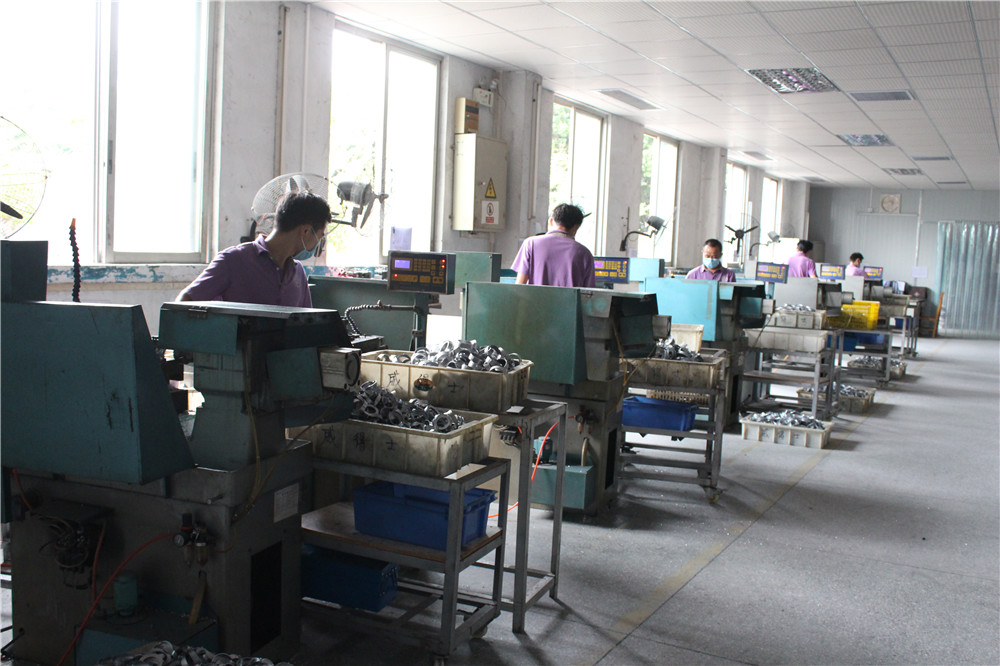
Foshan, located in China's Guangdong province, is recognized globally as a major hub for lighting manufacturing and research and development. The concentration of component suppliers, raw material producers, and testing facilities in this region creates significant supply chain efficiencies. At Diva Lighting, our 15,000 square meter factory leverages this local ecosystem to optimize manufacturing processes and keep production times efficient.
This localized supply chain helps us reduce material sourcing times and allows us to quickly integrate design changes. Whether sourcing pure aluminum alloys for heat sinks or specialized optical polymers for diffuse lenses, our close proximity to leading suppliers shortens lead times by 30-40% compared to isolated manufacturers. In addition, our automated production lines and standardized assembly processes allow us to handle large-scale commercial orders without compromising on quality control.
Foshan's specialized manufacturing ecosystem also helps us maintain high quality standards. Our facility operates under ISO9001:2015 and ISO14001:2015 environmental management systems. We run in-house testing labs equipped with integrating spheres, goniophotometers, thermal shock chambers, and salt-spray testing equipment. This testing setup allows us to run regular QA checks on every production batch, ensuring consistent lumen output, color rendering, and IP-rated sealing performance.
Customized LED lighting is a versatile tool for architects and interior designers, providing functional and aesthetic value across many different applications:
By matching specific LED modules with optimized housing styles, projects can achieve a cohesive aesthetic. Combining clean, recessed spotlights with diffuse LED neon highlights creates layers of light that add depth and visual interest to modern spaces.
The architectural lighting industry is shifting toward smart, connected, and sustainable systems. Future-proof lighting designs prioritize energy efficiency and adaptive controls:
1. Tunable White and Human-Centric Lighting (HCL): The integration of multi-channel LED chips allows lights to dynamically adjust their color temperature throughout the day. This matches natural daylight patterns, helping to support circadian rhythm and focus in office and educational environments.
2. Dynamic Digital Integration: Advanced control protocols like DALI-2 and DMX512 enable fine-grained control of color, brightness, and active lighting patterns. Each fixture or segment can be individually addressed, allowing for complex light shows or automated energy-saving profiles.
3. High-Efficiency Green Design: Modern LED fixtures are designed to meet the strict limits of new eco-regulations, such as Europe's ErP 2.0 standard. Manufacturers achieve high luminous efficacy (up to 140 lm/W at fixture level) while using recyclable aluminum housings and lead-free components, reducing environmental impact.
A leading force in commercial and residential LED downlight innovation since 2000.
Diva Lighting was founded in Foshan, China in 2000, built on a foundation of continuous innovation and strict quality control. The factory of Diva Lighting is located in Foshan, Guangdong, covering an area of 15,000 square meters, with more than 150 employees.
Our sales headquarters and product development center are located in downtown Foshan, featuring 1,200 square meters of modern office space. Here, a team of passionate, experienced professionals delivers attentive customer service and designs creative LED lighting products.
Diva focuses on designing and manufacturing LED downlights. All our products strictly meet international fire safety and electrical safety requirements, as our primary goal is making homes and commercial spaces safer and more energy-efficient. Acquiring OHSAS18001:2007 and ISO14001:2004 certifications demonstrates our commitment to environmental responsibility and workplace safety.
Diva's lighting fixtures are manufactured in accordance with CE, EMC, ENEC, UL, and RoHS standards. All lighting products integrate high-quality electrical components, including drivers from TRIDONIC and premium LED light sources from CITIZEN, BRIDGELUX, and CREE.
Aiming to be an innovative leader in the lighting industry, Diva invests heavily in product research and development. We hold more than 280 patents in China and abroad, including Europe and North America. With a strong reputation for reliability, Diva prioritizes customer success and is dedicated to delivering stable quality, competitive lead times, and professional customer service.
Our Mission: Helping customers achieve business success, while working for a safer and better world.
Our Values: Customer satisfaction, pragmatic innovation, speed & efficiency, openness & cooperation.
Our Vision: Creating industry-leading products and becoming a trusted brand in our target markets.
Detailed engineering and procurement insights to assist architects, engineers, and distributors.
Architectural recessed downlights featuring advanced driver options, fire-rated designs, and adjustable optics.
 Diva Lights