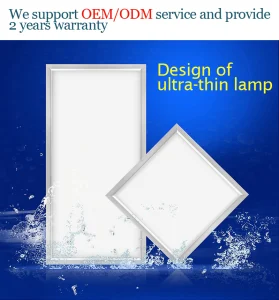
Precision-engineered architectural luminaire sub-systems optimized for commercial structural ceilings and high-CRI performance criteria.
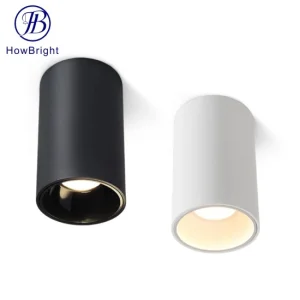
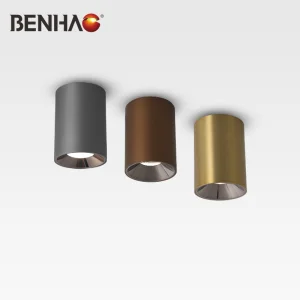
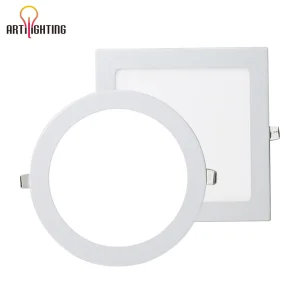
The global solid-state lighting ecosystem is currently undergoing an intensive, technologically driven structural evolution. In modern commercial, industrial, and institutional architecture, the LED panel light has transitioned from an optional energy-saving alternative to an indispensable infrastructure benchmark. Global supply networks require custom Original Equipment Manufacturer (OEM) configurations that satisfy highly stringent photometric and geometric constraints. These parameters extend far beyond basic illumination, embracing intricate considerations such as spectral composition, glare mitigation index matrices, and unified building control interoperability protocols.
From Class-A commercial towers in metropolitan financial districts to ultra-clean industrial semiconductor fabrication facilities and advanced clinical healthcare environments, modern facility management teams and electrical engineering syndicates demand tailored lighting topologies. These specialized environments require highly specific metrics: Unified Glare Ratings (UGR) structurally restricted below 19, high-fidelity Color Rendering Indexes exceeding an Ra of 90 (with substantial R9 saturated red values), and systemic luminous efficacies surpassing 140 lumens per watt. This massive global institutional shift requires a profound level of operational expertise and agile manufacturing capability that only deep vertical integration within a dedicated OEM framework can systematically deliver.
How regional vertical clustering and automated micro-assembly matrices establish global standardizations for production velocity and cost mitigation.
Advanced high-speed Surface Mount Technology lines guarantee macroscopic LED component placement precision down to sub-mil mil-spec tolerances, ensuring identical chromaticity clustering within a MacAdam Ellipse 3-Step binning threshold.
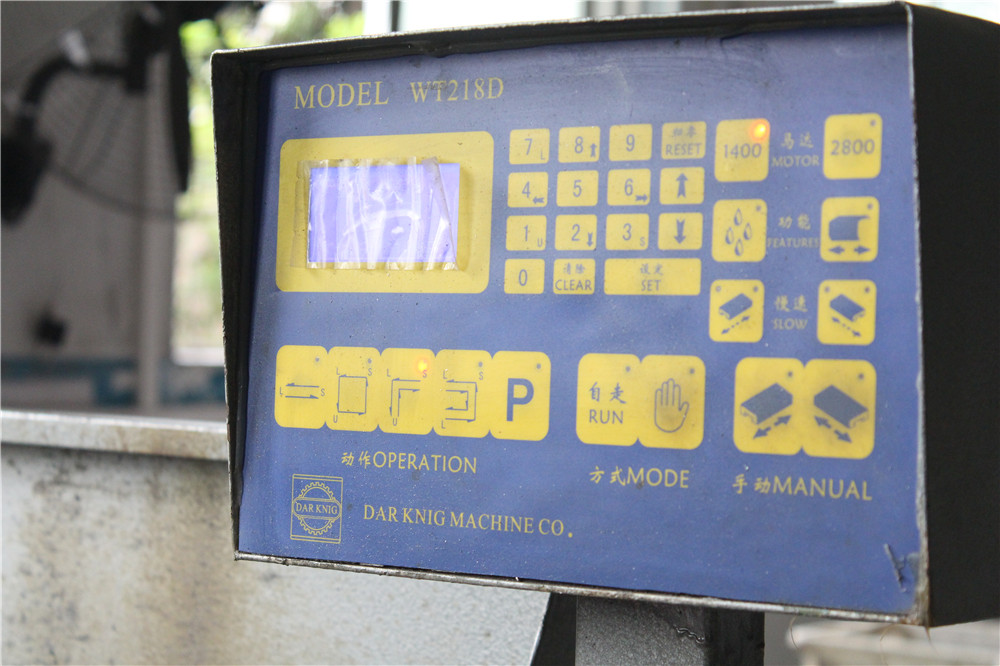
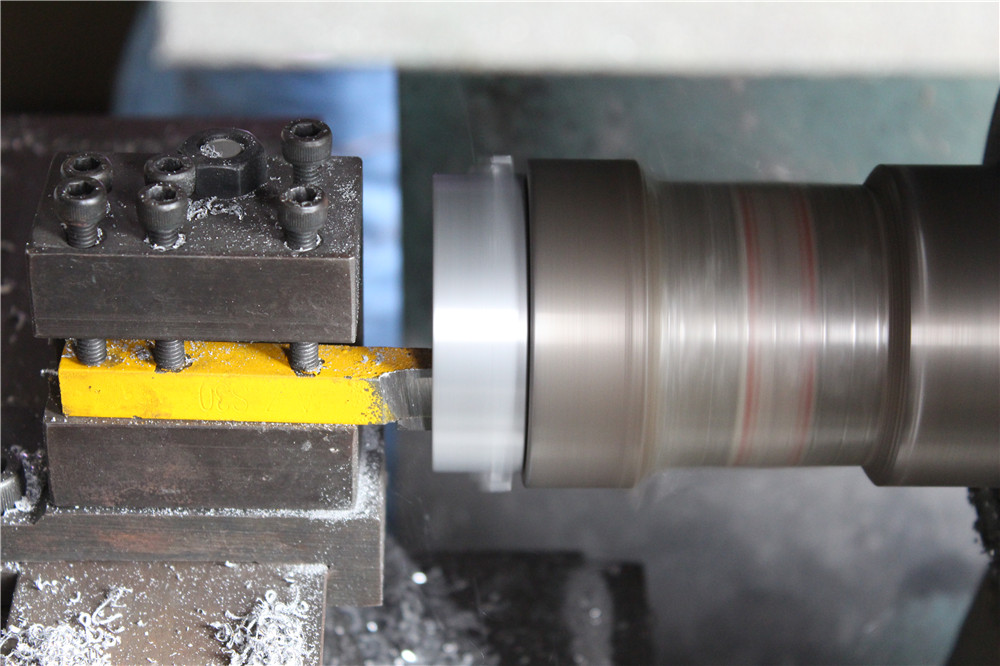
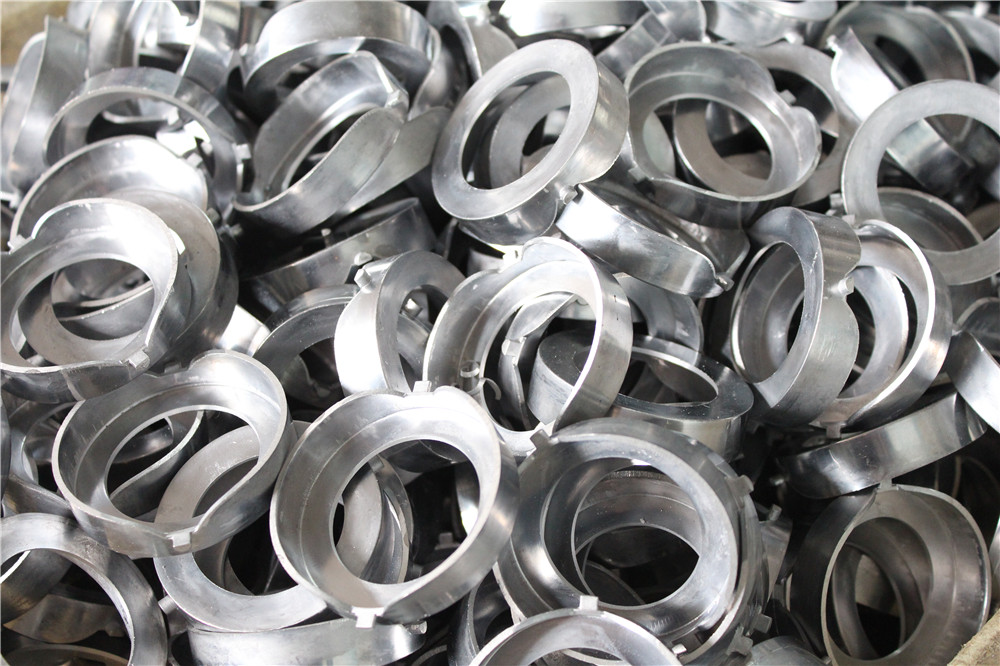
Foshan's direct proximity to localized precision aluminum smelting hubs allows immediate access to premium 6063-T5 structural aluminum alloys, maximizing passive convective heat dissipation coefficients directly within the structural bezel profile.
Fully continuous, semi-automated testing frameworks provide 100% inline electrical, photometric, and insulation resistance screening, guaranteeing total compliance with global CE, EMC, ENEC, UL, and RoHS regulatory bodies.
The geopolitical concentration of solid-state lighting production within Guangdong Province, specifically the industrial manufacturing corridors of Foshan and Zhongshan, is not merely an artifact of legacy industrialization. It represents an intricate, dynamically optimized, and deeply integrated supply chain ecosystem. Within this localized manufacturing matrix, an OEM panel light factory operates with unprecedented process velocity. Every necessary upstream and downstream sub-component component—from structural raw aluminum billets, precision optical diffusers, and reflective micro-layer substrates to advanced high-speed surface mount technology (SMT) pick-and-place lines—is positioned within a highly integrated geographic perimeter.
This immense structural efficiency translates into real tangible operational advantages for global enterprise procurement divisions. When a project demands an immediate modification to a standard luminaires thickness, an accelerated revision of a constant-current LED driver's circuit topology, or an emergency adjustment to a specific color temperature output, the engineering turnaround cycle is reduced from weeks to mere calendar days. Furthermore, the localized integration of advanced computerized quality assurance laboratories ensures that continuous inline testing and high-voltage burn-in routines are executed flawlessly, mitigating systemic component infant mortality failure rates before products leave the factory terminal gates.
Square Meters Production Footprint
Global Engineering Patents Held
Years of Continuous B2B OEM Innovation
Certified Traceable Tier-1 Componentry
Analyzing custom photometric profiles designed specifically to survive and excel within high-demand institutional and commercial spatial installations.
Within healthcare facilities and clinical settings, lighting design is intricately tied to biological diagnostics and patient well-being. Custom OEM panel systems engineered for hospital applications must integrate specialized cyanosis-compliant spectral distributions, ensuring that medical staff can rapidly recognize acute physiological changes in dermal tissue coloration. This requires strict spectral power distribution tuning to satisfy the rigorous requirements of global medical lighting standards, maintaining a strict R9 saturated red index of greater than 50, alongside completely non-flickering, solid-state electronic power transformation systems to prevent interference with critical diagnostic telemetry hardware.
Microelectronic manufacturing and semiconductor fabrication facilities demand extreme atmospheric control, completely eliminating airborne dust vectors and gaseous particulate contaminants. Traditional edge-lit lighting systems can generate localized thermal convective turbulences that disrupt laminar airflow configurations. Custom engineered back-lit panel arrays utilize highly aerodynamics-optimized flush bezels, combined with military-grade IP65 or IP69K ingress seals and anti-static structural micro-coatings. These advanced features prevent surface particle accretion and ensure total structural envelope isolation under rigorous negative or positive ambient air pressure cleanroom configurations.
Modern Grade-A corporate commercial facilities increasingly utilize Human-Centric Lighting (HCL) systems to maximize white-collar cognitive output, mitigate operational fatigue, and support proper endocrine melatonin cycles throughout extended workspace operations. Through the precise deployment of dual-channel, dynamic tunable-white LED arrays, an advanced custom OEM panel light factory can deliver smooth, continuous color temperature transitions across an extensive range from a warm, calming 2700K up to a crisp, high-focus 6500K. When directly coupled with smart automated wireless mesh networks running open communication protocols like DALI-2, Zigbee 3.0, or Matter, these luminaires automatically match the natural exterior solar diurnal rhythm, providing an optimal blend of energetic task lighting and relaxed ambient illumination.
A deep historical analysis of operational metrics, certified manufacturing frameworks, and technological patent assets.
Incepted in the primary global industrial electronics manufacturing cluster of Foshan, China, in the year 2000, Diva Lighting has continuously operated at the forefront of solid-state commercial lighting systems. The corporation's primary manufacturing facility spans a massive, centralized 15,000 square meters industrial compound, staffed by an agile workforce of over 150 highly specialized electromechanical production specialists, quality verification technicians, and automation engineers. To maintain a modern, customer-centric engineering interface, the organizational headquarters and product development center occupy a premium 1,200 square meters executive facility in downtown Foshan, dedicated exclusively to international trade relations, advanced optical prototyping, and deep custom downlight system engineering.
Diva Lighting's core operational methodology is deeply anchored in maximizing environmental sustainability and workplace safety, proudly holding verified, audited OHSAS18001:2007 occupational health management systems and ISO14001:2004 environmental protection certifications. Every luminaire assembly engineered within our facility undergoes comprehensive validation to strictly comply with international electrical safety and electromagnetic compatibility standards, ensuring seamless certification across CE, EMC, ENEC, UL, and RoHS regulatory paradigms. To guarantee unparalleled reliability and extended lifespan profiles under severe architectural operating conditions, Diva Lighting completely rejects generic tier-3 components. The structural electronic architecture integrates premium constant-current driver solutions from global pioneers like TRIDONIC, combined with industry-leading, high-efficacy solid-state light emitters sourced directly from CITIZEN, BRIDGELUX, and CREE.
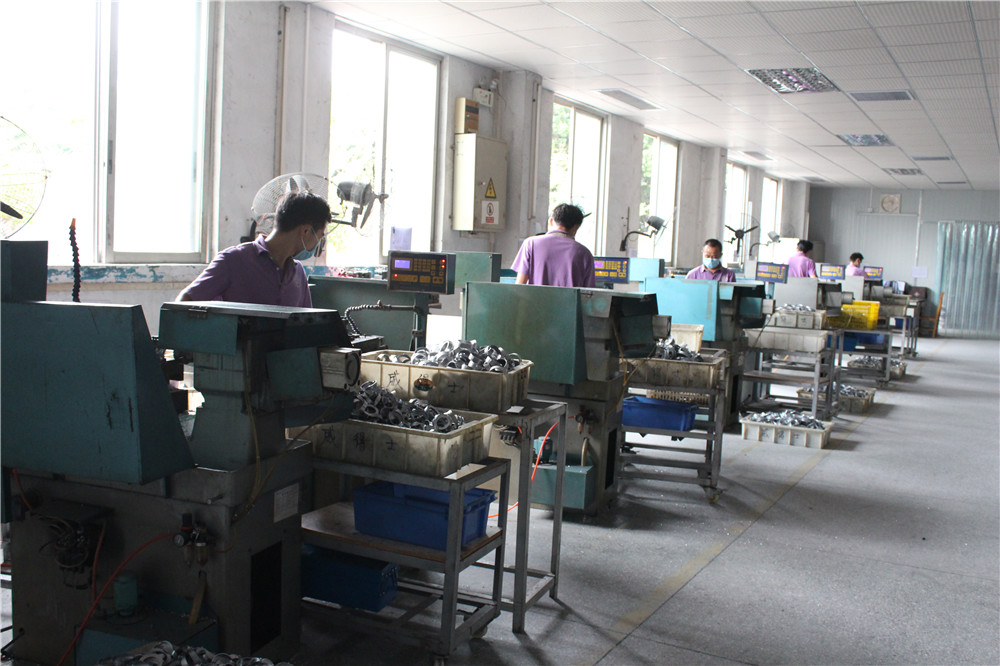

Driven by a corporate mission centered on "Becoming an outstanding innovative lighting company," Diva Lighting reinvests a substantial percentage of annual revenues into foundational R&D. This focused investment has yielded an intellectual property portfolio exceeding 280 sovereign utility and design patents spanning domestic markets, the European Union, and North America. By positioning customer business success and collaborative engineering at the heart of daily operations, the enterprise ensures consistent quality stability, precise batch-to-batch repeatability, and customized logistics solutions that help international OEM distributors and engineering contractors execute complex lighting projects seamlessly.
The technological horizon of custom OEM panel design, from ultra-high-efficiency micro-cavity optics to circular economy materials.
Future optical design is shifting toward the complete elimination of raw diffusion filters, which reduce system efficiency. Next-generation OEM panel light factories are deploying sophisticated micro-prismatic matrix optics embossed directly into the polymethyl methacrylate substrate. These microscopic structures precisely redirect native LED emitter distributions, allowing light to pass unhindered within traditional task zones while applying extreme refractive cut-offs at high viewing angles. This sophisticated engineering reduces spatial glare values to UGR<16 while boosting overall luminaire efficacy by up to 18% compared to standard frosted diffusers.
Global environmental mandates and corporate ESG criteria require deep changes to structural luminaire design. Future-proof custom OEM suppliers are actively eliminating traditional chemical-laden painting procedures, transitioning instead to low-emission anodized or mechanical brushing treatments on pure recycled aluminum casings. Concurrently, interior optical components are being redesigned for rapid, tool-less mechanical teardowns at the end of their operational lifespan. This modular approach allows for the immediate isolation and separation of electronic driver circuits, copper wiring harnesses, and raw aluminum chassis, ensuring nearly 100% of the luminaire can be reintroduced into the industrial circular manufacturing loop.
Deep engineering answers to complex B2B procurement queries, component validation strategies, and operational troubleshooting protocols.
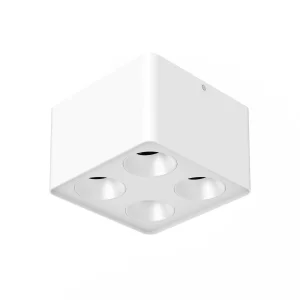
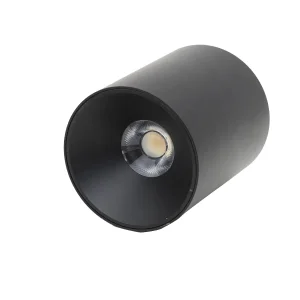
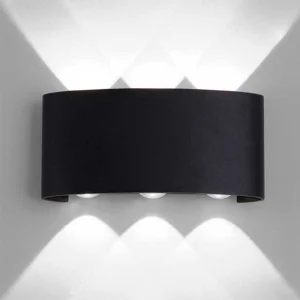
High-brightness, variable-wattage, and specialized architectural solutions engineered for robust industrial deployment.
 Diva Lights