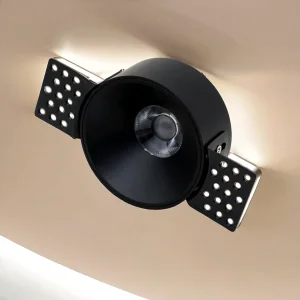
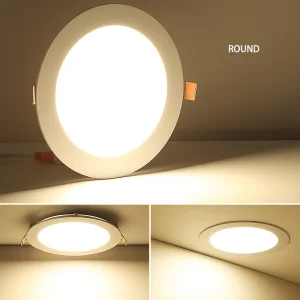
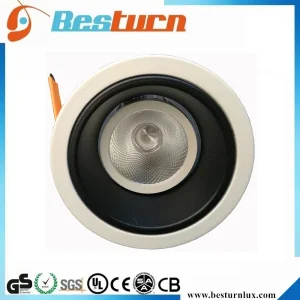
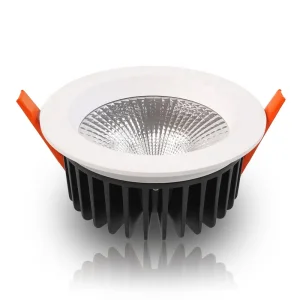
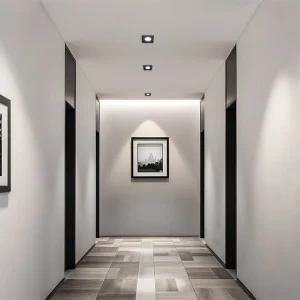
Discover Diva Lighting's high-efficiency interior and exterior architectural-grade fixtures, engineered with top-tier chipsets and driver technology.
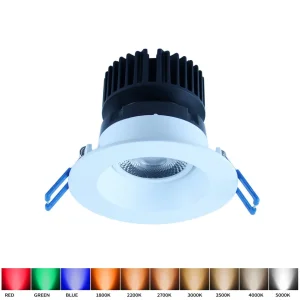
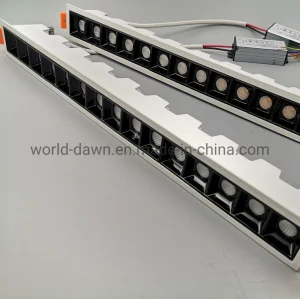
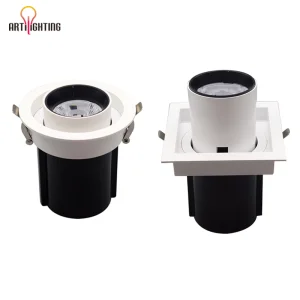
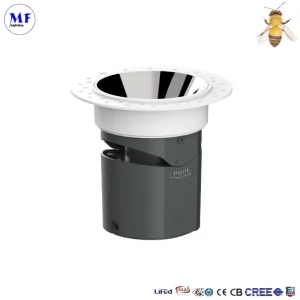
The global lighting paradigm has experienced a profound shift from spot-source illumination to architectural linear integration. Today, CE Certified LED rope lights and flexible linear matrices constitute the backbone of modern commercial facade engineering, urban planning, and complex industrial lighting schemes. The demand for linear systems is no longer limited to basic aesthetic accenting. Rather, global engineering projects require intelligent, high-density, and highly resilient LED rope light designs capable of delivering high-efficacy luminous flux while adhering to stringent safety criteria.
In Europe, North America, and the Asia-Pacific regions, regulatory frameworks dictate strict electrical and ecological requirements. CE marking (Conformité Européenne) stands as an indispensable baseline of compliance, certifying that linear LED systems satisfy all relevant health, safety, and environmental protection directives. For large-scale procurement teams, sourcing from a certified manufacturer is crucial to mitigate liabilities, pass building inspections, and ensure systems operate reliably under challenging mechanical and thermal conditions.
Strategic Value Note: True regulatory alignment involves more than stamping a logo on a datasheet. It requires comprehensive testing of electrical insulation, electromagnetic compatibility (EMC), photobiological safety, and ingress protection (IP ratings). As a dedicated lighting innovator, we bridge the gap between architectural vision and industrial-grade reliability.
Specifying LED rope lights for public, commercial, or industrial applications requires an understanding of their electrical and physical architecture. Standard commercial grade rope lights must possess robust protection layers to withstand UV radiation, thermal fluctuations, and physical impacts.
We engineer low-voltage DC linear strips (12V/24V) to maximize safety in high-touch, close-proximity applications, alongside AC mains-powered rope lights (110V/220V) for long, continuous runs without voltage drop.
Our manufacturing utilizes professional silicon co-extrusion technology. Silicon outperforms cheap PVC in UV stabilization, resistance to cracking, light transmission efficiency, and yellowing prevention over long operational lifetimes.
From IP20 interior cove lighting to IP67/IP68 submersible rope lights, our products are sealed with specialized end-caps and waterproof adhesive connectors, ensuring protection against heavy rainfall and dust.
A true CE certificate indicates compliance with two primary directives: the Low Voltage Directive (LVD 2014/35/EU) and the Electromagnetic Compatibility Directive (EMC 2014/30/EU). LVD compliance verifies the product presents no electrical hazard under normal operating conditions. EMC compliance ensures the LED drivers do not introduce unwanted high-frequency noise into the grid, nor are they susceptible to standard levels of external electromagnetic interference. This is crucial when downlights, linear rope systems, and other solid-state electronics share complex commercial electrical circuits.
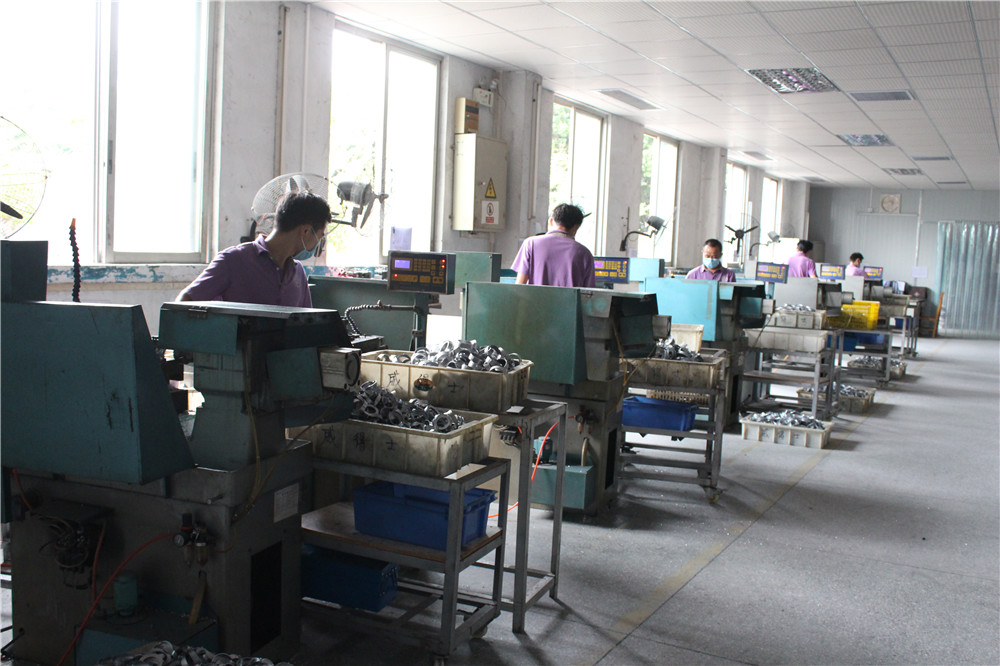
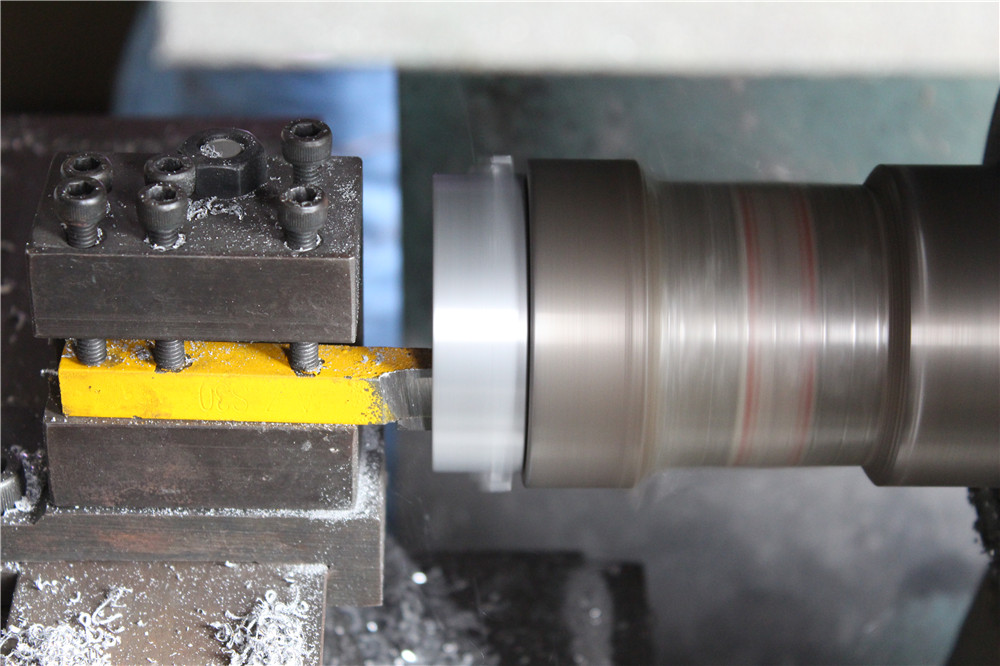
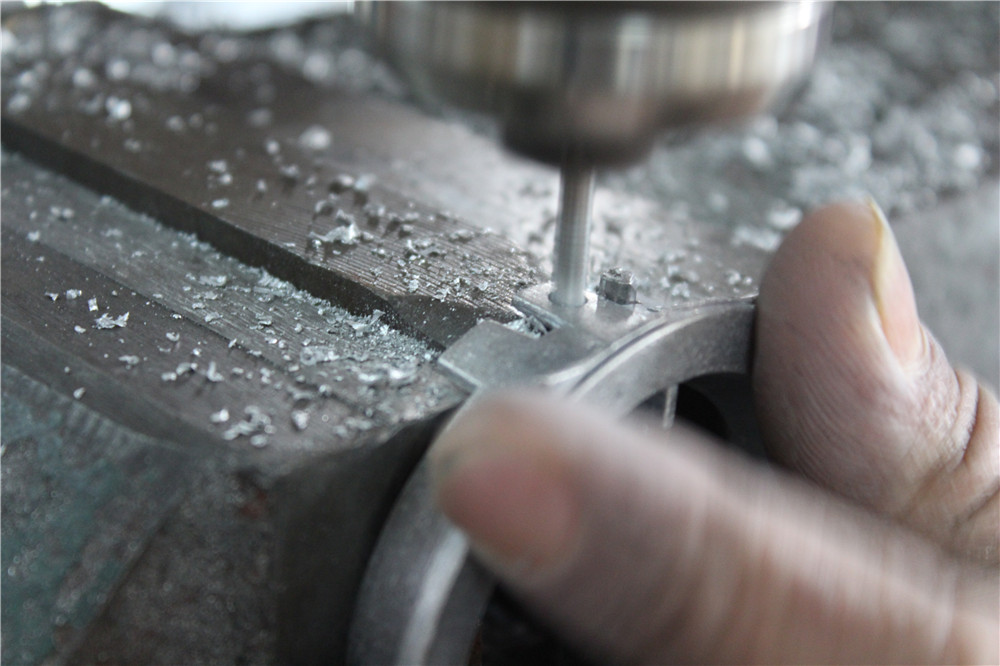
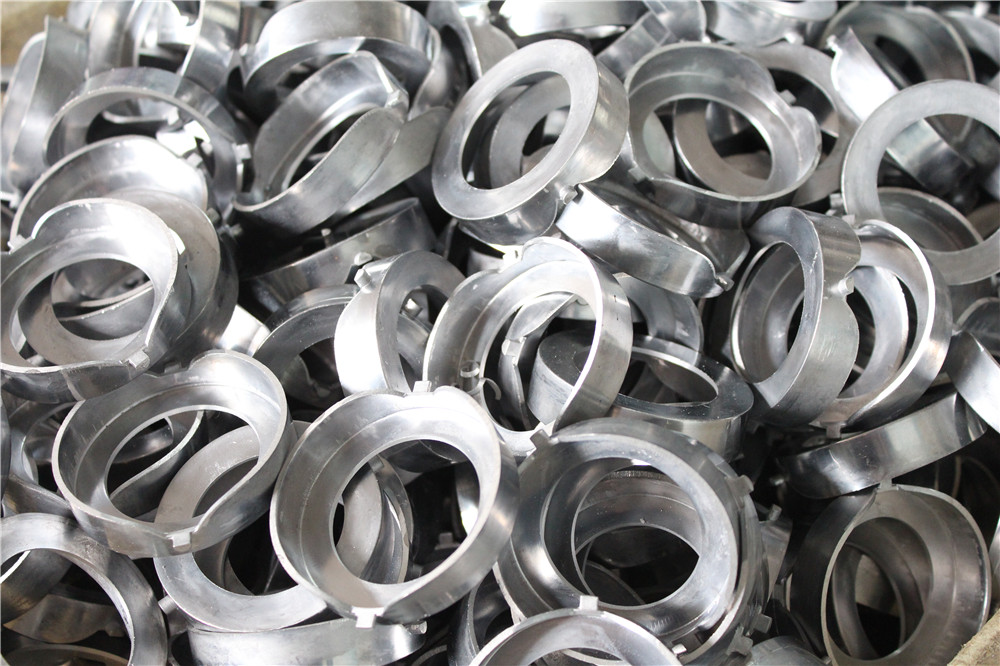
China's Pearl River Delta, particularly Foshan, remains the global epicenter for optoelectronic innovation and manufacturing. The efficiency of a high-quality Chinese factory lies in its complete, localized ecosystem of supply chain partners. From raw silicon processing and chip-bonding (SMD placement) to precision driver manufacturing and heat sink extrusion, every component is manufactured within a tight geographic radius. This minimizes transport times and allows for rapid prototyping and rigorous quality feedback loops.
At Diva Lighting, our Foshan-based facility covers 15,000 square meters and is staffed by more than 150 skilled operators, engineering specialists, and QA inspectors. Rather than acting as a simple assembly shop, our factory manages the entire manufacturing cycle. This vertical integration allows us to offer substantial information gain and product consistency: we maintain direct control over solder paste thickness, thermal management profiles, and the binning process. Binning ensures that color deviation remains within a 3-step MacAdam Ellipse, providing consistent color rendering (CRI > 90) across miles of installed rope lighting.
Factory Footprint
Global Patents
Years of R&D Excellence
CE & RoHS Compliant
Furthermore, China’s logistics infrastructure guarantees rapid delivery to major international ports, including Guangzhou, Shenzhen, and Hong Kong. By combining advanced automated production lines with strict ISO9001:2015 and ISO14001:2014 management systems, Diva Lighting is equipped to scale production for large projects, maintaining consistent quality and pricing from the first meter to the last.
High-performance linear lighting is a versatile design element utilized across various industries. Modern interior and exterior spaces depend on specific light outputs to define functional zones and highlight architectural details:
Design Tip: For smooth, continuous light distribution without visible hotspots, pair high-density LED strips with frosted aluminum profiles. This diffuse effect is ideal for premium corporate and retail interiors.
The solid-state lighting sector is progressing beyond standard static illumination. Developers, electrical consultants, and architects are looking to implement intelligent, adaptive linear systems:
For procurement managers, global distributors, and engineering contractors, selecting a manufacturing partner requires careful evaluation of their operational capabilities. A reliable OEM/ODM partner should provide:
Diva Lighting was founded in Foshan, China in 2000, with the idea of continuous innovation and strict quality control. The factory of Diva Lighting is located in Foshan, Guangdong, covering an area of 15,000 square meters, with more than 150 employees.
The sales headquarter and product developing center is located in downtown Foshan, with 1200 square meters office space. A group of innovative and passionate people work here, delivering good service and designing creative down light led products.
Diva focus on designing and manufacturing LED downlights, all downlights strictly meet the fire safety and electrical safety requirement of lighting, as our goal is to making home a better and safer place. Acquiring OHSAS18001:2007 and ISO14001:2004 certifications prove our commitment to the society and environment. Diva's lighting products are manufactured in accordance with the CE, EMC, ENEC, UL and RoHS standards. All lighting products integrate and utilize high quality electrical components such as driver from TRIDONIC and light source from CITIZEN, BRIDGELUX and CREE.
Aiming at "Becoming an outstanding innovative lighting company", Diva spare no effort on the research and development of lighting products, and has own more than 280 patents both in China and abroad, including Europe and North America. With good reputation, Diva put customers on the first place, and is dedicated to bring customers good experience by delivering good customer service, innovative products and ensure quality stability.
Our Mission: Helping customers with business success, Working for a safer and better world.
Our Value: Satisfy customer. Pragmatic innovation. Fast & Efficiency. Open & Cooperation.
Our Vision: Create the industry's first product and become the first brand in the segment field.
Technical and regulatory answers for architectural designers, engineers, and purchasing professionals.
Browse our selection of commercial-grade recessed fixtures, anti-glare downlights, and smart lighting solutions.

 Diva Lights