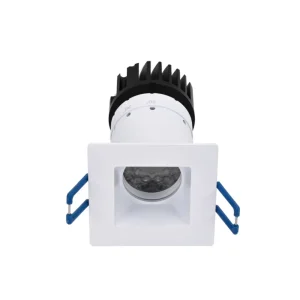
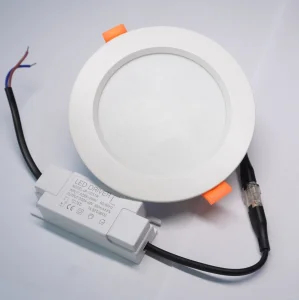
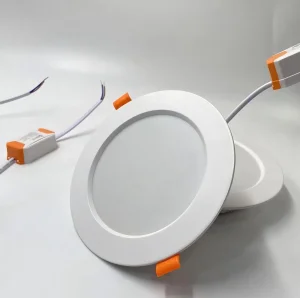
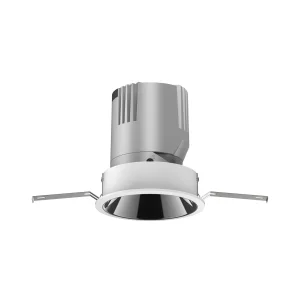
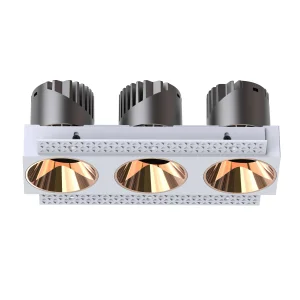
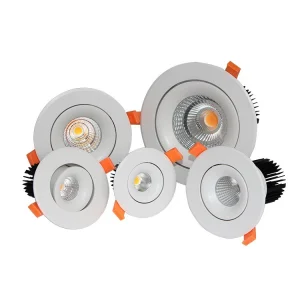
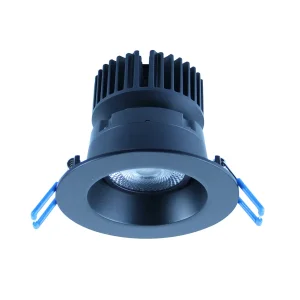
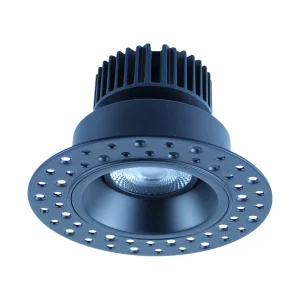
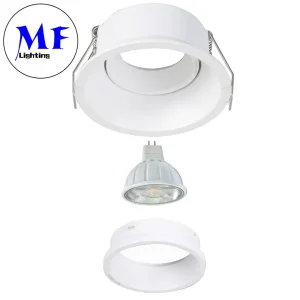
Engineered for Precision, Designed for Aesthetics
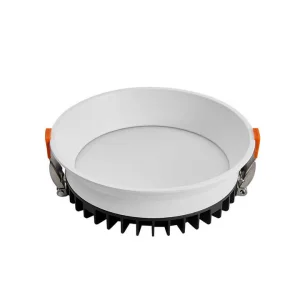
In the evolving world of architectural lighting, Brushed Nickel LED Downlights have emerged as a dominant choice for designers and electrical contractors. Unlike traditional chrome which can be overly reflective or matte black which may feel too bold, brushed nickel offers a sophisticated, muted metallic finish that hides fingerprints and water spots, making it ideal for high-end residential and commercial applications.
The global market for these fixtures is seeing a significant shift. In North America and Europe, the demand for "low-profile" and "minimalist" lighting has led to the rise of ultra-slim recessed designs. Brushed nickel serves as the perfect bridge between classic elegance and modern industrial tech. From luxury hotels in Dubai to corporate headquarters in New York, the requirement for durable, high-CRI (Color Rendering Index) lighting is at an all-time high.
High-traffic areas like lobbies and retail stores require finishes that maintain their luster under heavy use. Brushed nickel provides an anti-corrosive layer that ensures longevity.
It complements a wide range of interior palettes, from warm wood tones to cool concrete industrial styles, making it a "safe" yet premium choice for speculative developments.
Modern brushed nickel fixtures are often paired with die-cast aluminum heat sinks, ensuring the LED chips operate at optimal temperatures for 50,000+ hours.
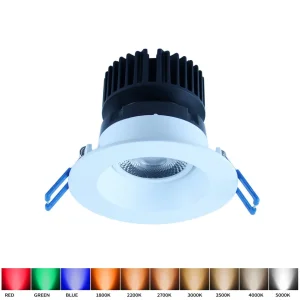
The trend is moving toward Tuya, Zigbee, and Dali DT8 control protocols. Manufacturers are no longer just making "lights"; they are making "smart nodes." Brushed nickel downlights are now integrated with RGB+CCT technology, allowing users to shift from 2700K (warm) to 6500K (cool) via smartphone apps.
Lighting that mimics the natural solar cycle is the new gold standard. Top manufacturers are focusing on "Flicker-Free" drivers and high CRI (>90) to improve well-being in office environments and healthcare facilities.
As the "Lighting Capital of the World," Foshan, China, provides an unparalleled ecosystem for lighting production. Diva Lighting leverages this infrastructure to provide high-quality brushed nickel LED downlights at a fraction of the cost of European brands, without compromising on component quality. We utilize world-class drivers from TRIDONIC and COB chips from CITIZEN, BRIDGELUX, and CREE.
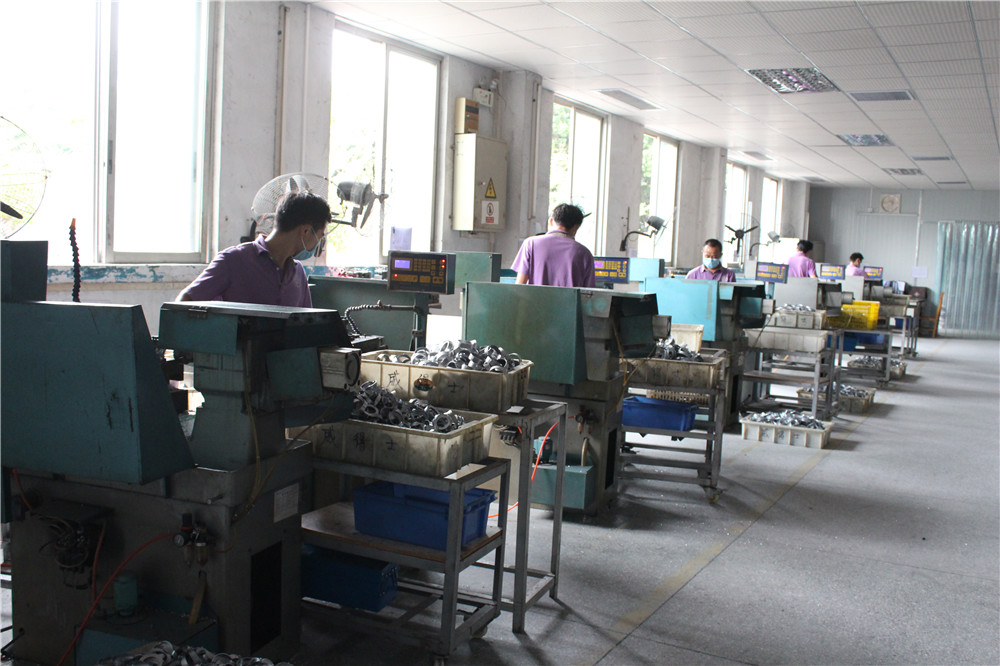
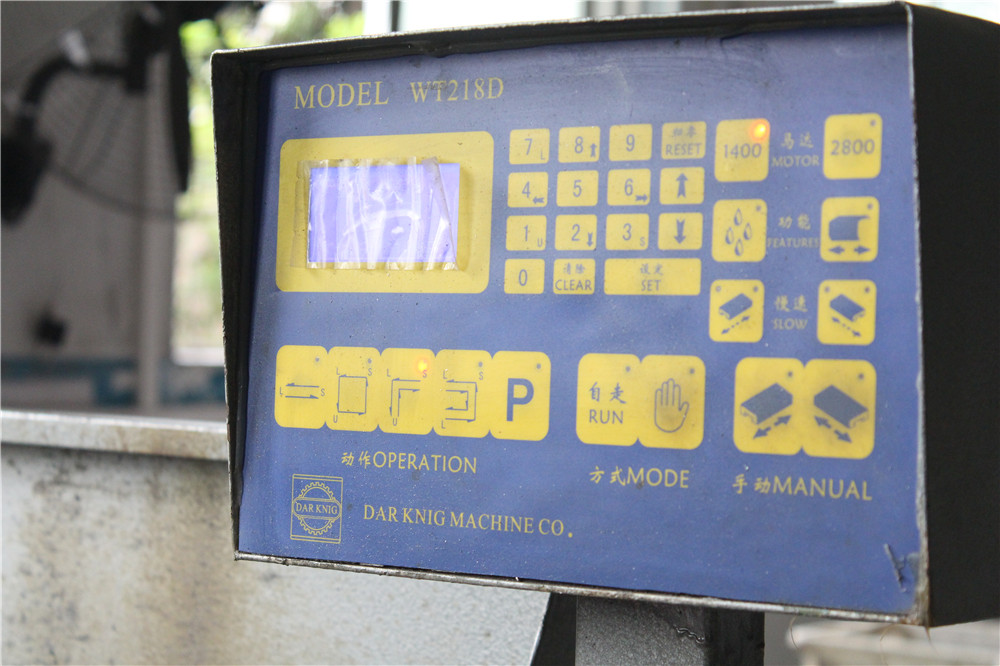
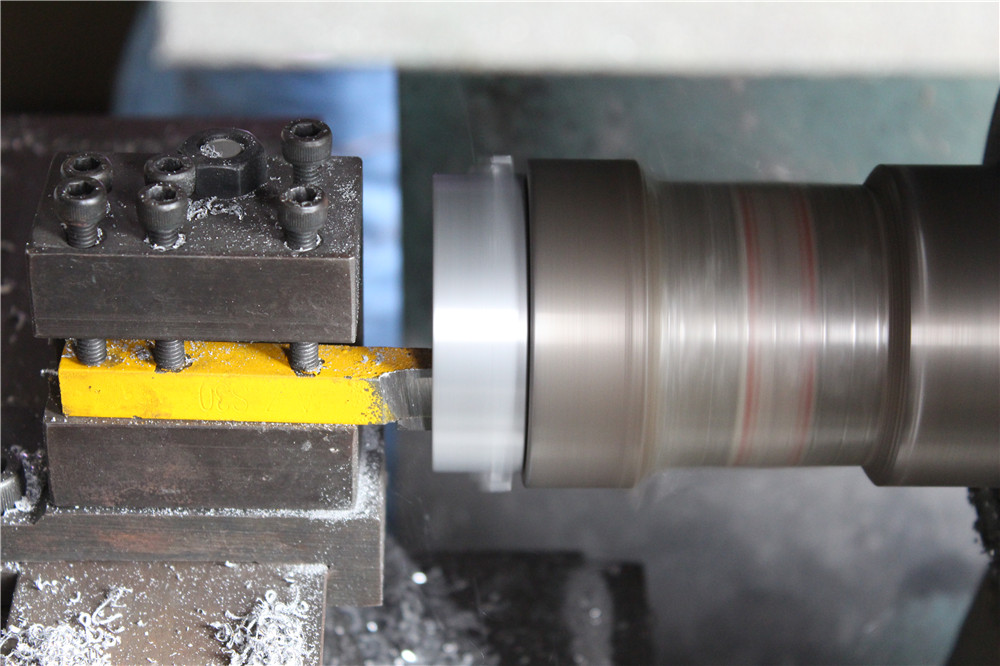
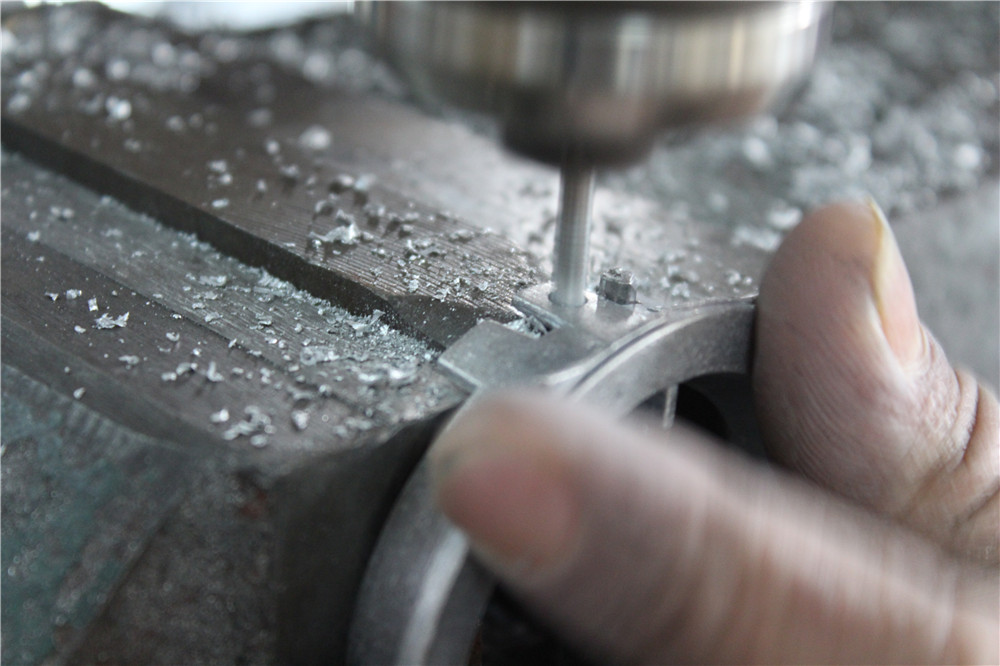
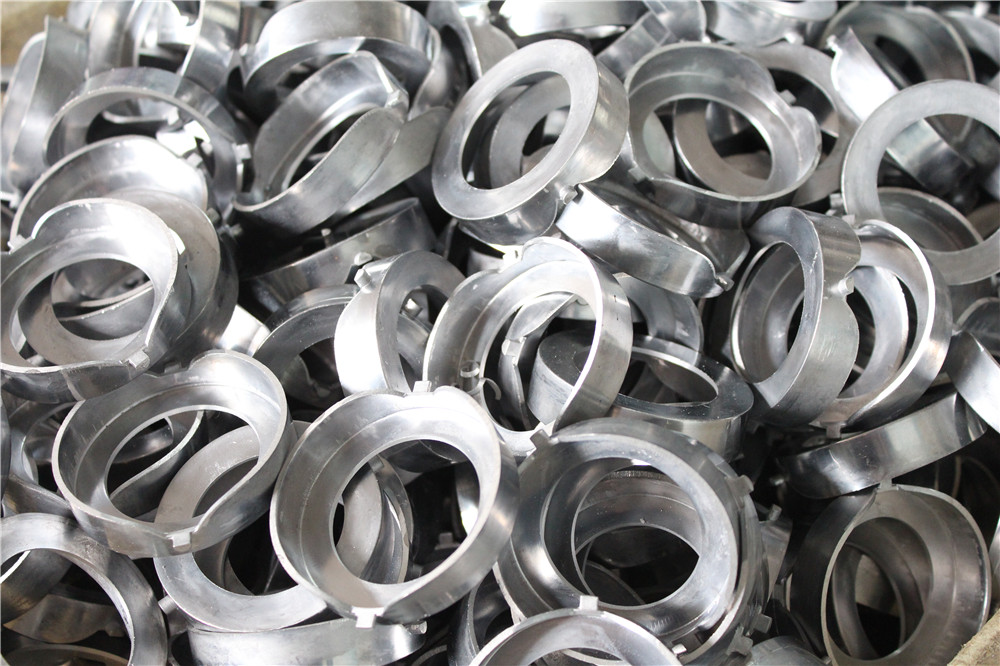
Our competitive advantage lies in our R&D capability. With over 280 patents, we are not just followers; we are innovators. Our factory is equipped with high-precision die-casting machines, CNC centers, and automated assembly lines that ensure every brushed nickel finish is uniform and every LED driver passes rigorous EMI/EMC testing. For global wholesalers and importers, this means fewer returns and higher customer satisfaction.
Furthermore, our localized application knowledge allows us to assist clients in different regions. Whether it's 120V AC Triac dimming for the North American market or DALI-2 systems for European commercial buildings, we have the technical expertise to provide turnkey solutions.
Continuous Innovation & Strict Quality Control Since 2000
Diva Lighting was founded in Foshan, China in 2000. The factory covers an area of 15,000 square meters, with more than 150 employees. Our sales headquarters and product development center, located in downtown Foshan, occupy 1200 square meters of office space, housing a group of innovative and passionate professionals dedicated to creative LED downlight design.
Diva focuses on designing and manufacturing LED downlights that strictly meet fire and electrical safety requirements. Our goal is to make homes a better and safer place. Our commitment is proven by our OHSAS18001:2007 and ISO14001:2004 certifications. Products are manufactured in accordance with CE, EMC, ENEC, UL, and RoHS standards.
Our Mission: Helping customers with business success, Working for a safer and better world.
Our Value: Satisfy customer. Pragmatic innovation. Fast & Efficiency. Open & Cooperation.
Our Vision: Create the industry's first product and become the first brand in the segment field.
Global Standards, Professional Engineering
 Diva Lights