As international architectural lighting standards undergo rapid shifts towards sustainability, the B2B lighting sector faces a crucial inflection point. The classic candelabra light source, formerly characterized by high thermal outputs and inefficient energy consumption, has transitioned into the solid-state lighting (SSL) epoch. For global importers, lighting designers, and original equipment manufacturers (OEMs), procuring high-performance, custom-engineered candelabra LED solutions is no longer merely a procurement task—it is a critical architectural strategy.
This whitepaper explores the critical aspects of customizing OEM LED candelabra bulbs, analyzing the electrical architectures, materials science, and supply chain strategies that dictate long-term project performance. From analyzing thermal management configurations to navigating the complexities of global regulatory frameworks, we illustrate how elite Chinese manufacturing platforms integrate advanced design technologies with high-volume manufacturing capabilities to drive B2B growth.
The main challenge of custom LED candelabra design is thermal management. Standard E12, E14, or E26 bases have compact housings, which limits the surface area available for convective and conductive cooling.
Modern custom filament candelabra designs utilize ceramic or sapphire substrates. Sapphire substrates offer superior light transmissive properties (up to 98% transparency), minimizing optical absorption. Conversely, ceramic substrates provide higher thermal conductivity (up to 20-30 W/m·K), which is critical for driving currents above 15mA without exceeding the junction temperature threshold of 85°C.
To optimize heat dissipation in gas-filled glass envelopes, exporters utilize specific gas mixtures. Highly refined helium (He) is injected at precise pressures (typically 0.6 to 0.8 atmospheres) due to its exceptional thermal conductivity (approximately 0.15 W/m·K at room temperature), which is roughly six times higher than that of dry air. This allows rapid heat transfer from the micro-LED chips on the filament to the glass enclosure, ensuring the package maintains its L70 lifetime values beyond 30,000 operational hours.
Founded in Foshan, China in 2000, Diva Lighting was established with a focus on continuous innovation and rigorous quality control. Spanning a 15,000 square meter state-of-the-art facility and employing more than 150 dedicated personnel, Diva operates its sales headquarters and specialized R&D center in downtown Foshan across 1,200 square meters of collaborative workspace.
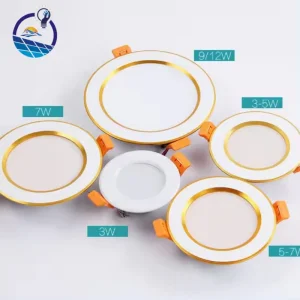
As a leading manufacturer of high-end LED downlights, Diva's product portfolio is engineered to meet strict international fire safety and electrical standards. Achieving OHSAS18001:2007 and ISO14001:2004 certifications highlights our commitment to sustainability and corporate responsibility. Our catalog is manufactured in strict compliance with CE, EMC, ENEC, UL, and RoHS standards. We collaborate with tier-one suppliers to integrate premium components, utilizing electronic drivers from TRIDONIC and cutting-edge light engines from CITIZEN, BRIDGELUX, and CREE.
Diva’s vision is focused on "Becoming an outstanding innovative lighting company." We hold more than 280 patents across China, Europe, and North America. Guided by our B2B mission, we strive to help customers achieve commercial success while working for a safer, more efficient world.
B2B custom candelabra sourcing requires versatile dimming profiles. The compatibility of Triac (leading edge), ELV (trailing edge), and digital dimming systems (such as DALI-2 or 0-10V analog setups) depends on driver design.
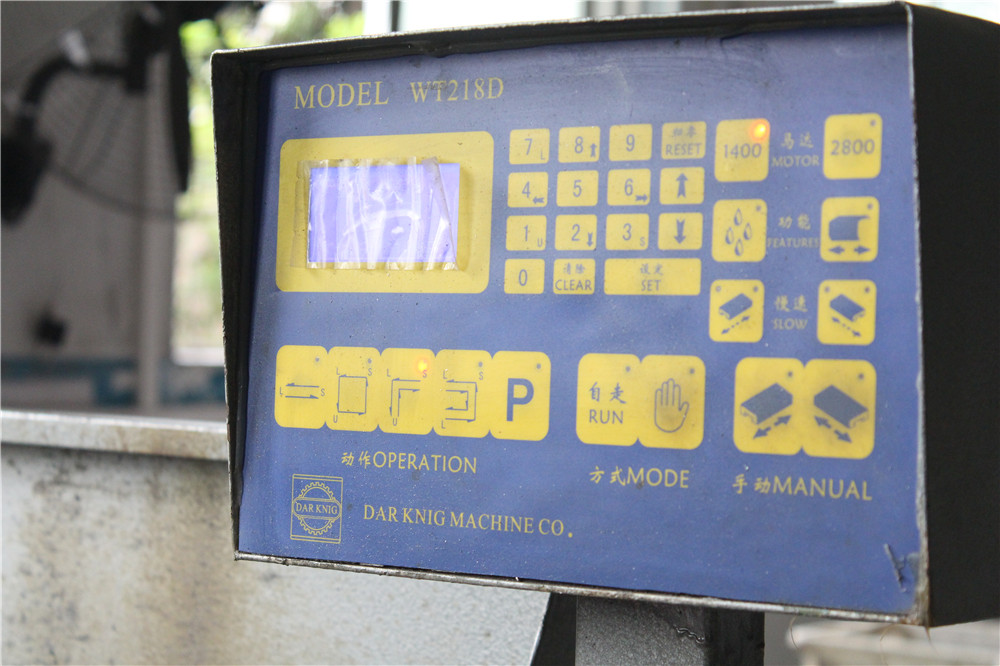
Diva Lighting engineers utilize advanced Constant Current Linear IC drivers and miniature Switch-Mode Power Supply (SMPS) topologies. The linear driver architecture eliminates magnetic components, minimizing electromagnetic interference (EMI) and fitting inside standard candelabra caps (E12, E14, B15, E27). However, for applications requiring high PF (>0.9) and low THD (<15%), custom-engineered flyback SMPS drivers with built-in active power factor correction (PFC) are integrated. This prevents stroboscopic effects (flicker-free performance under IEEE 1789 metrics), which is essential for commercial environments and high-end residential projects.
Navigating diverse standards is a key element of the global lighting supply chain. Diva Lighting implements rigorous testing protocols to secure safety, performance, and environmental compliance across international jurisdictions:
Foshan, Guangdong, is a global hub for optoelectronic manufacturing. Sourcing custom OEM LED candelabra bulbs directly from Diva Lighting offers significant strategic advantages:
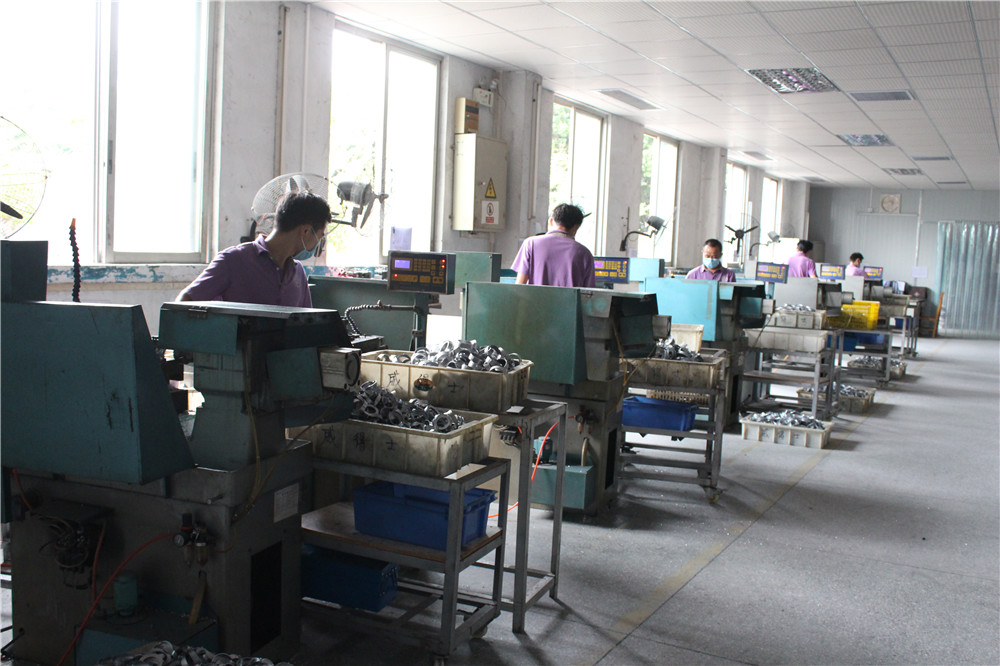
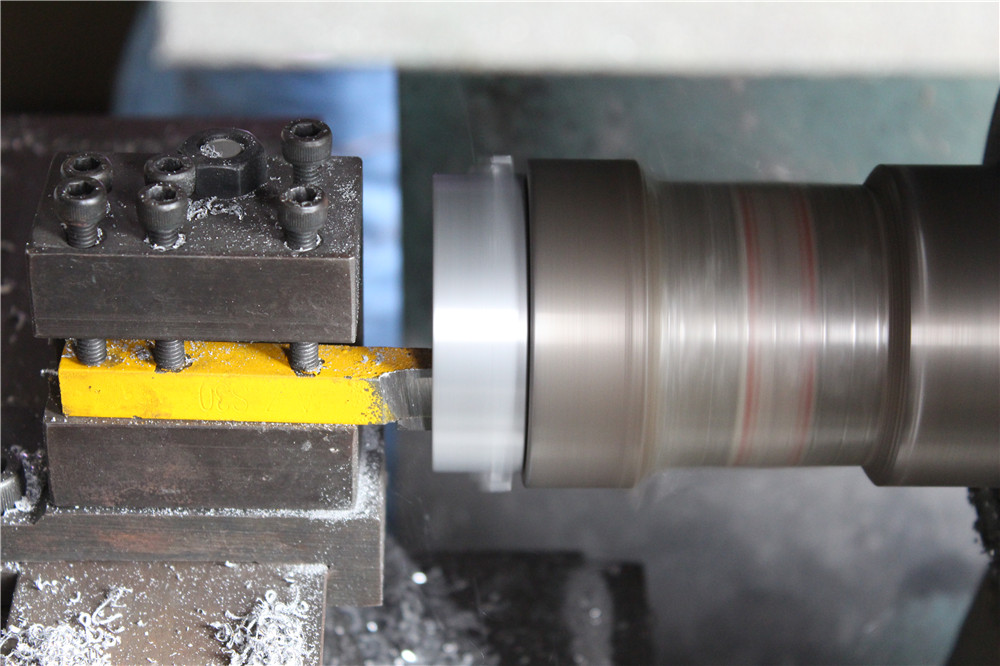
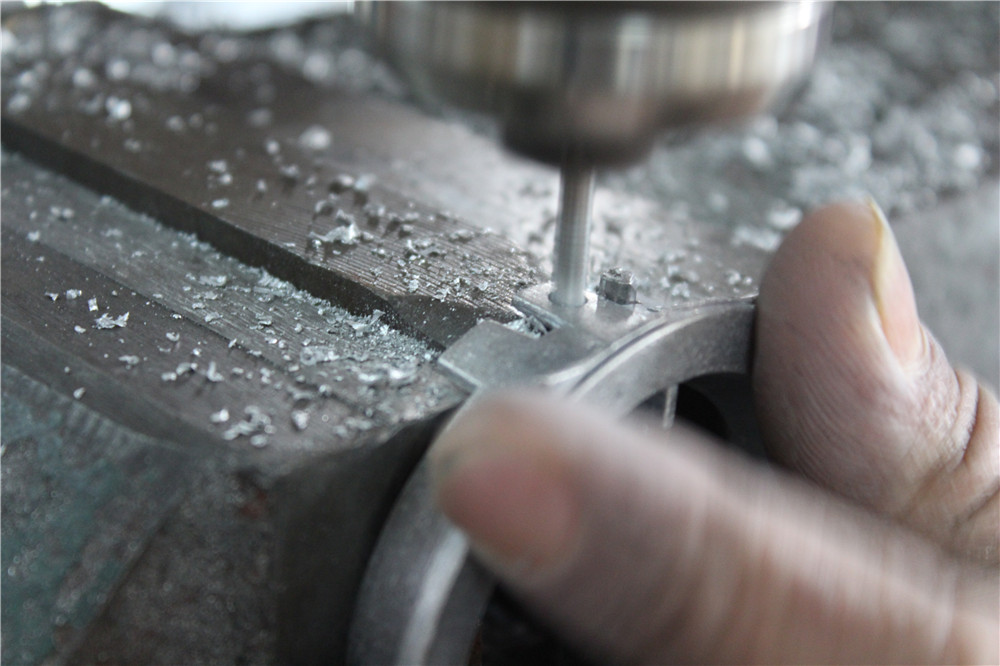
The Foshan industrial cluster provides access to high-quality raw materials, including specialized optical glass, precision-machined bases, high-performance silicon drivers, and premium phosphors. This regional supply chain efficiency reduces prototype turnaround times to 7–14 days. Additionally, our automated SMT assembly lines, advanced wire-bonding equipment, and automated aging lines ensure consistent quality, keeping batch-to-batch defective rates below 100 PPM (parts per million).
Modern applications require tailored lighting parameters:
 Diva Lights